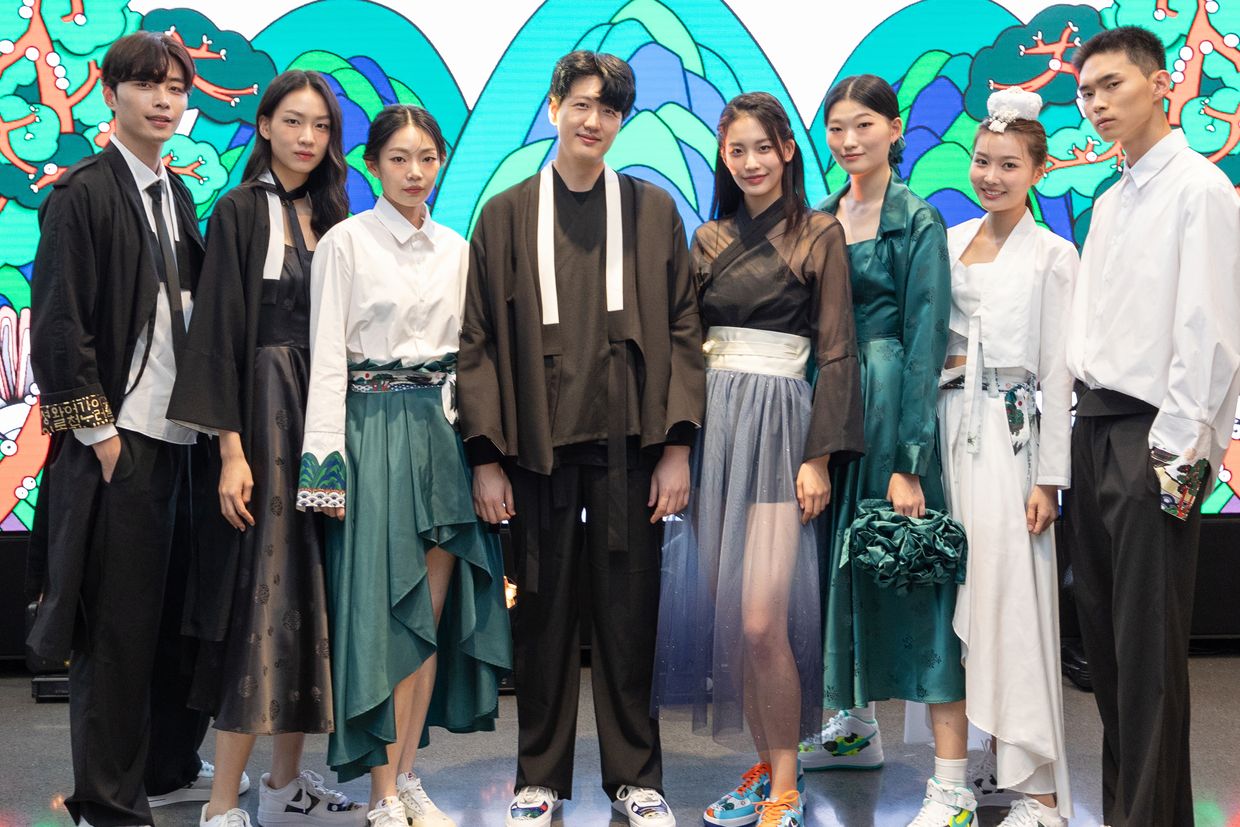
 신:서울
신:서울
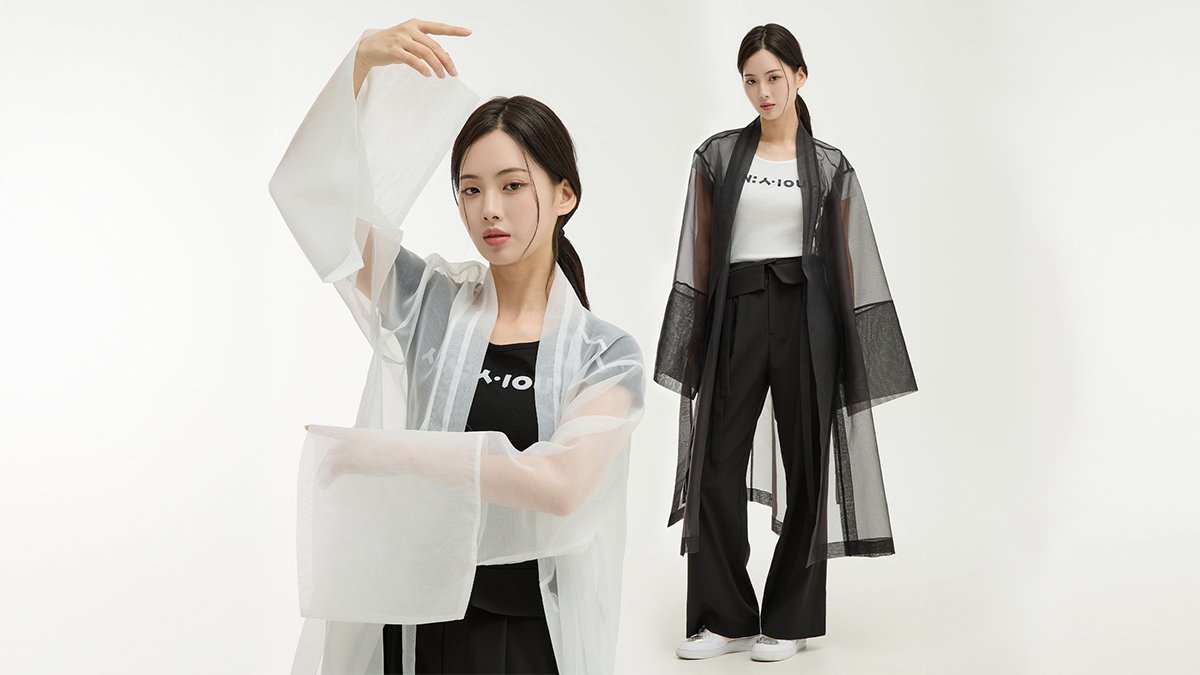
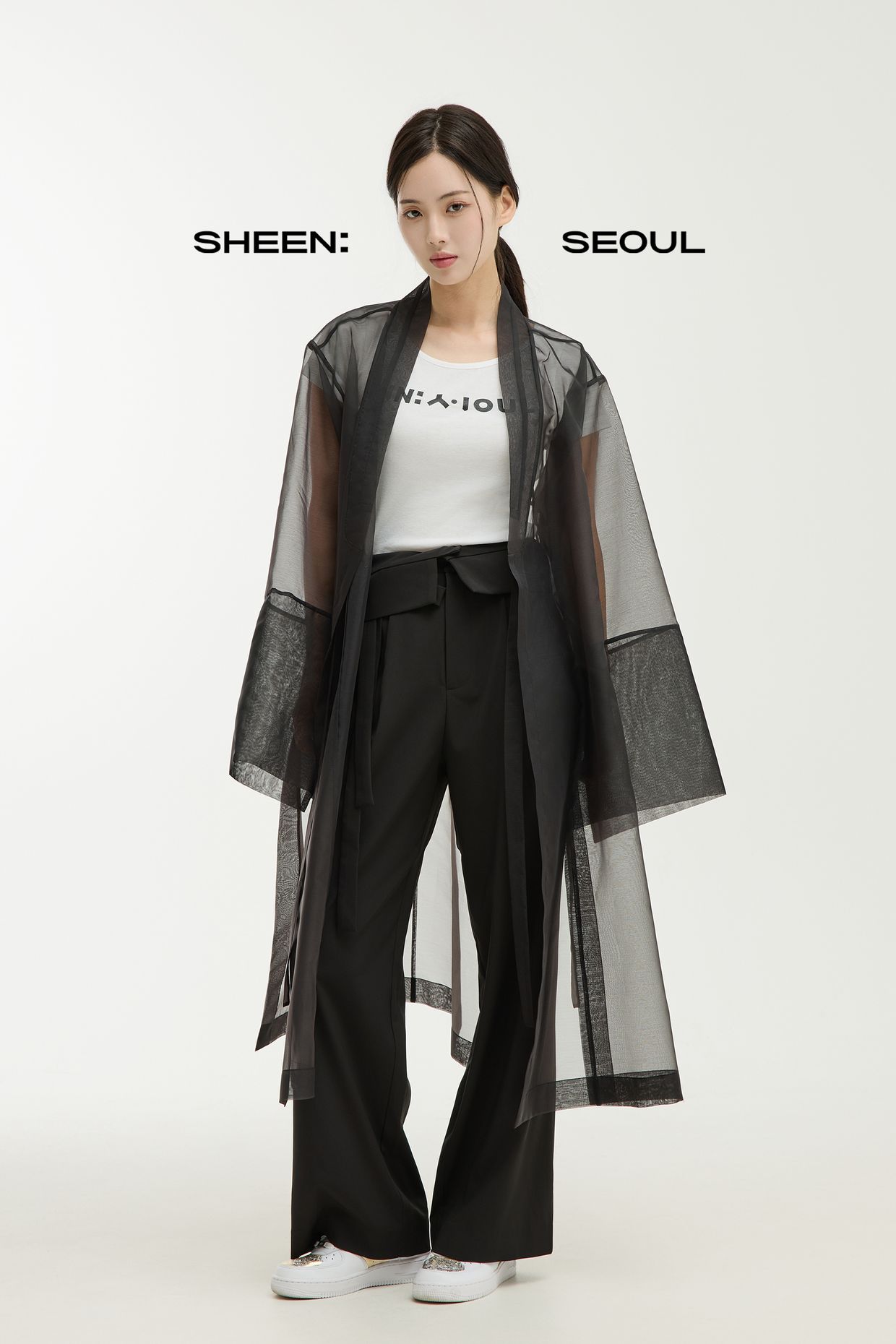
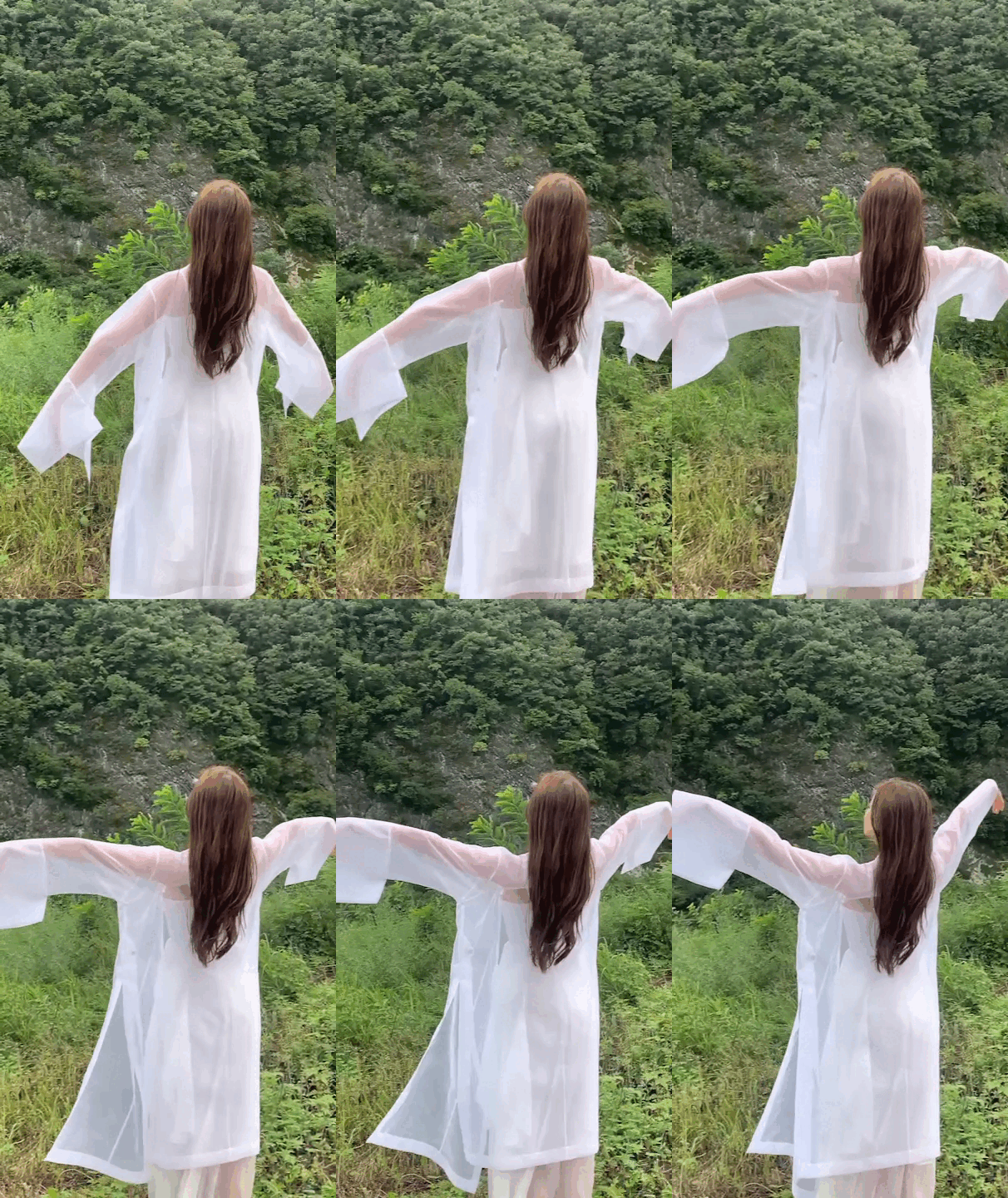
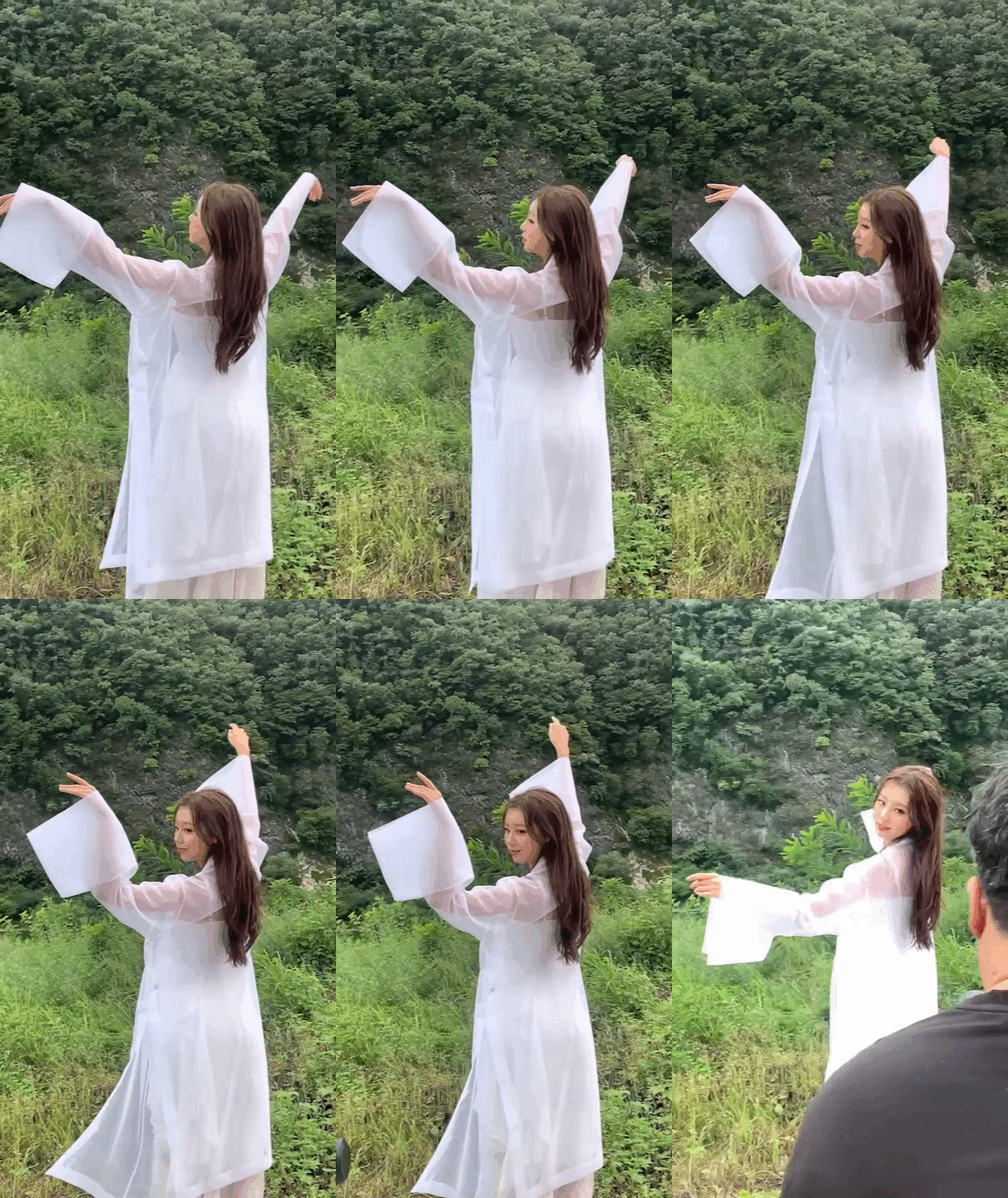
Experience the modernized Dopo.
Shin:Seoul Nobang Dopo Coat Project.
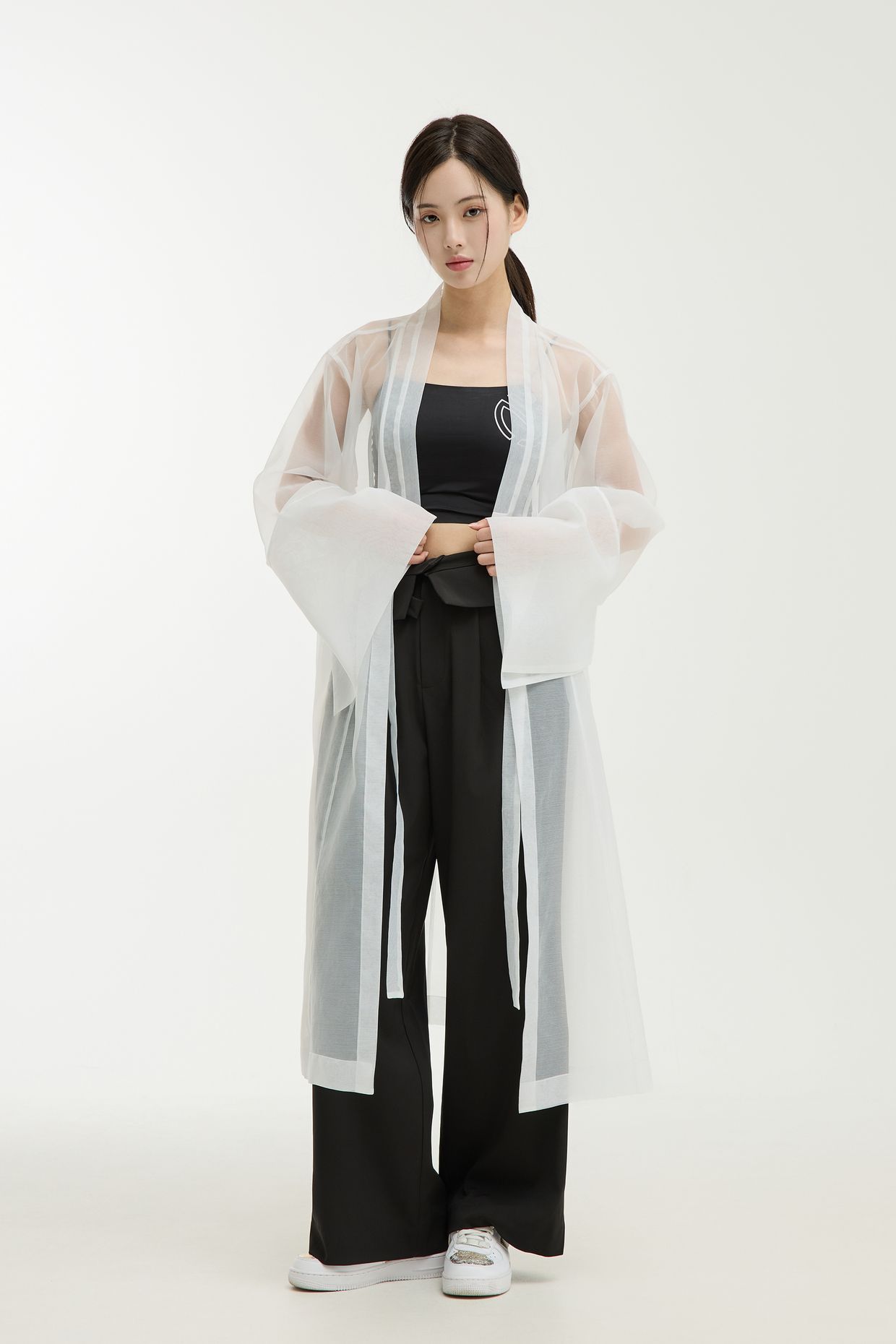
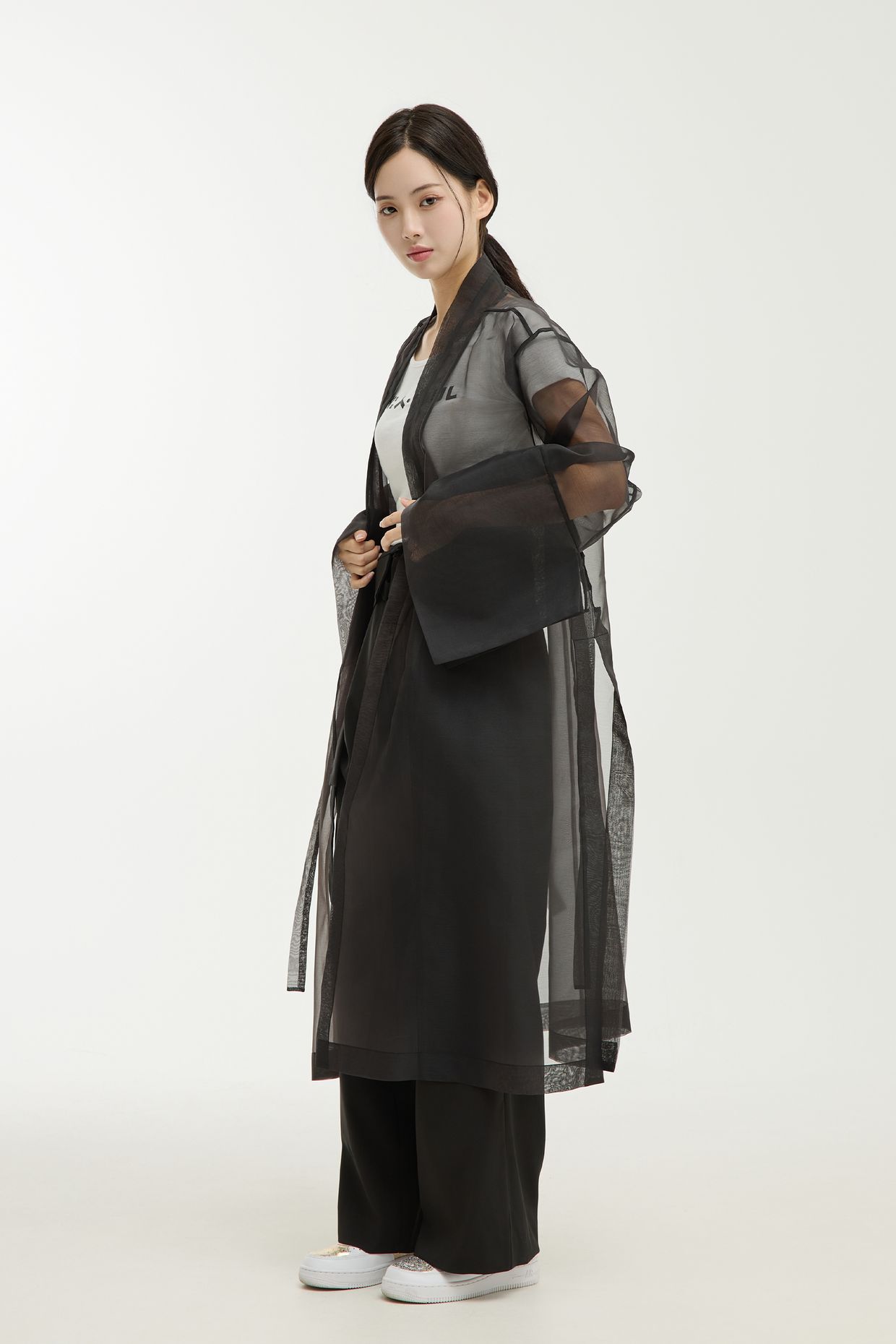
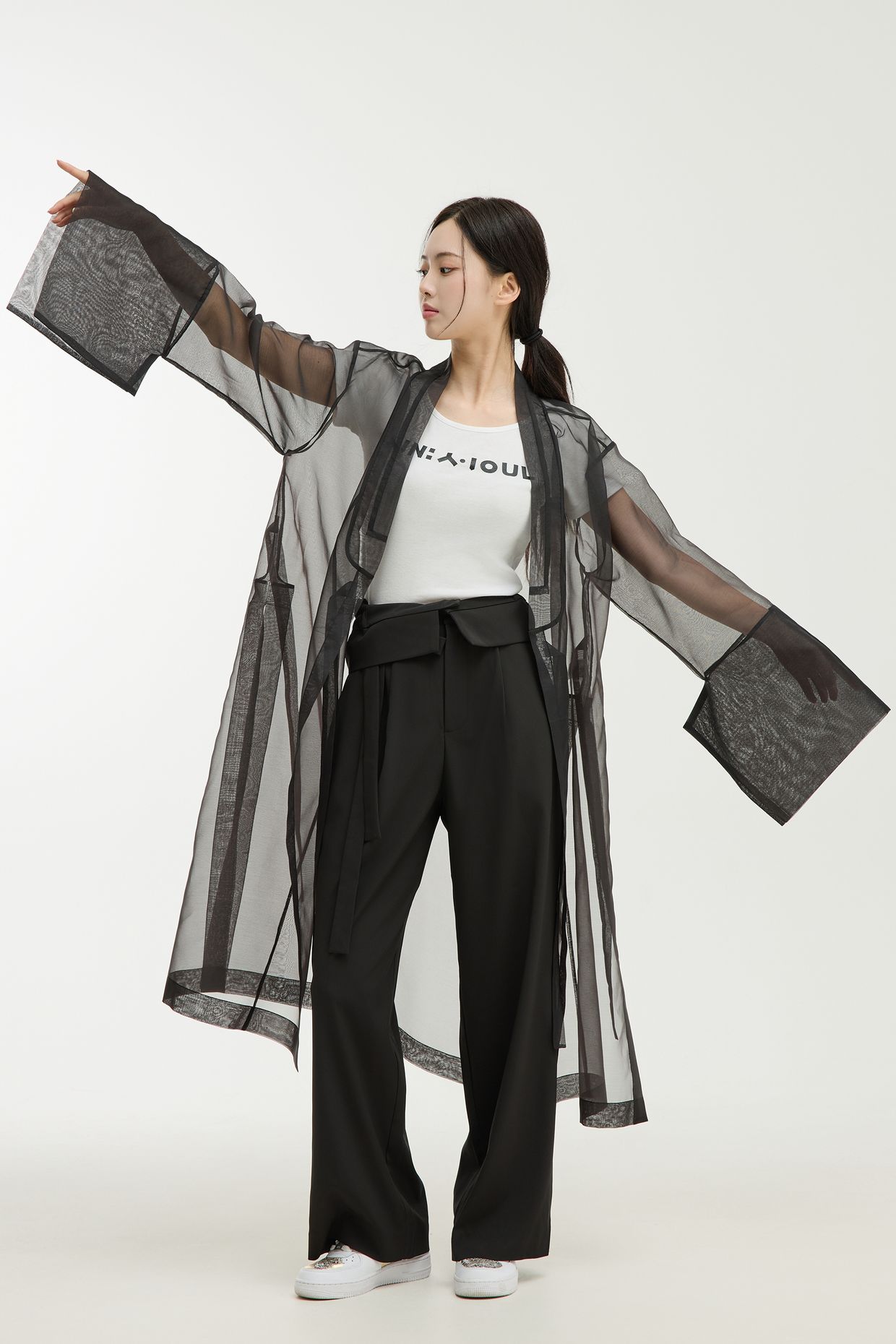
Shin:Seoul's signature design details.
Featuring "DOPO" sleeves.
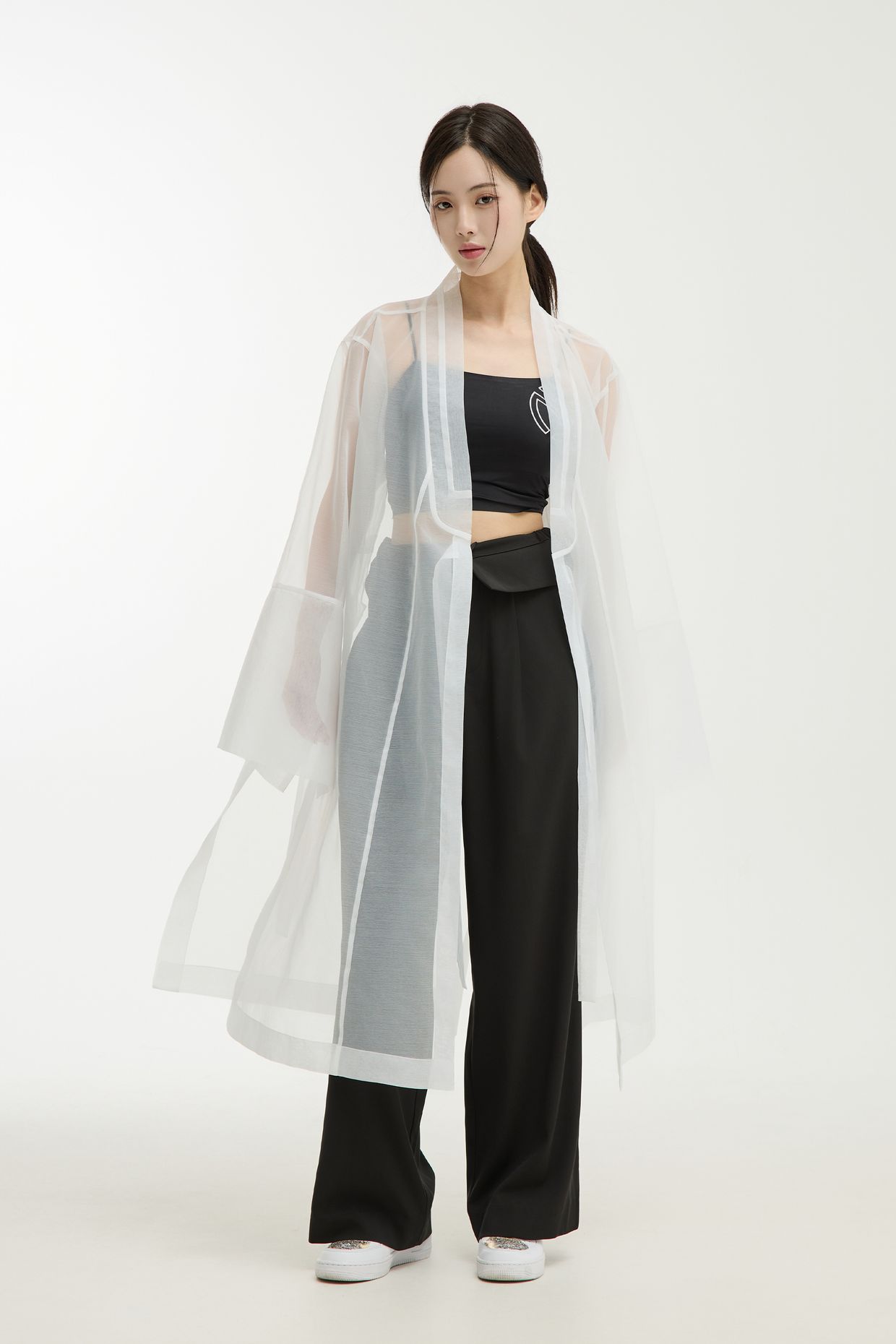
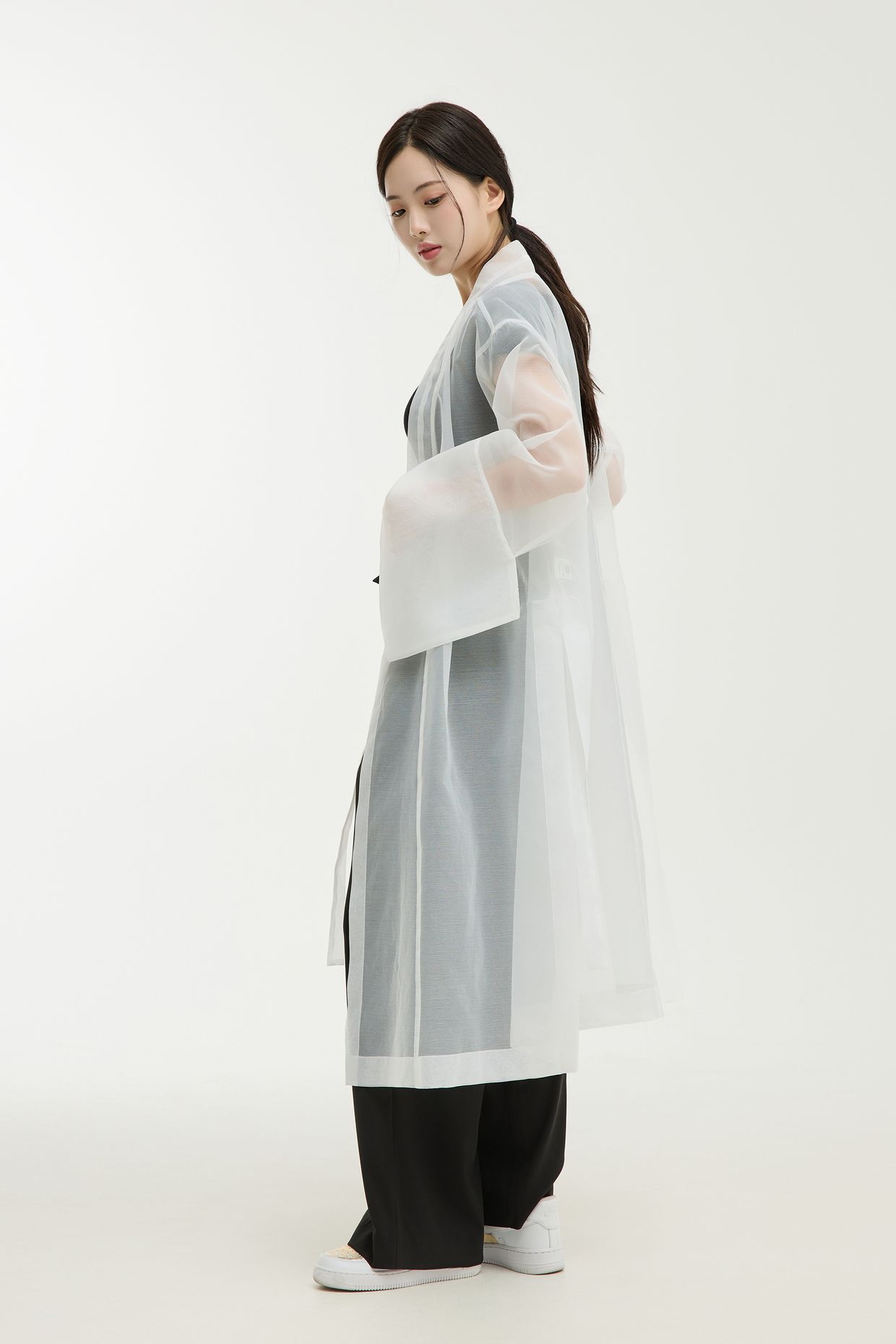
Long version Nobang Dopo coat. Introducing it to you.
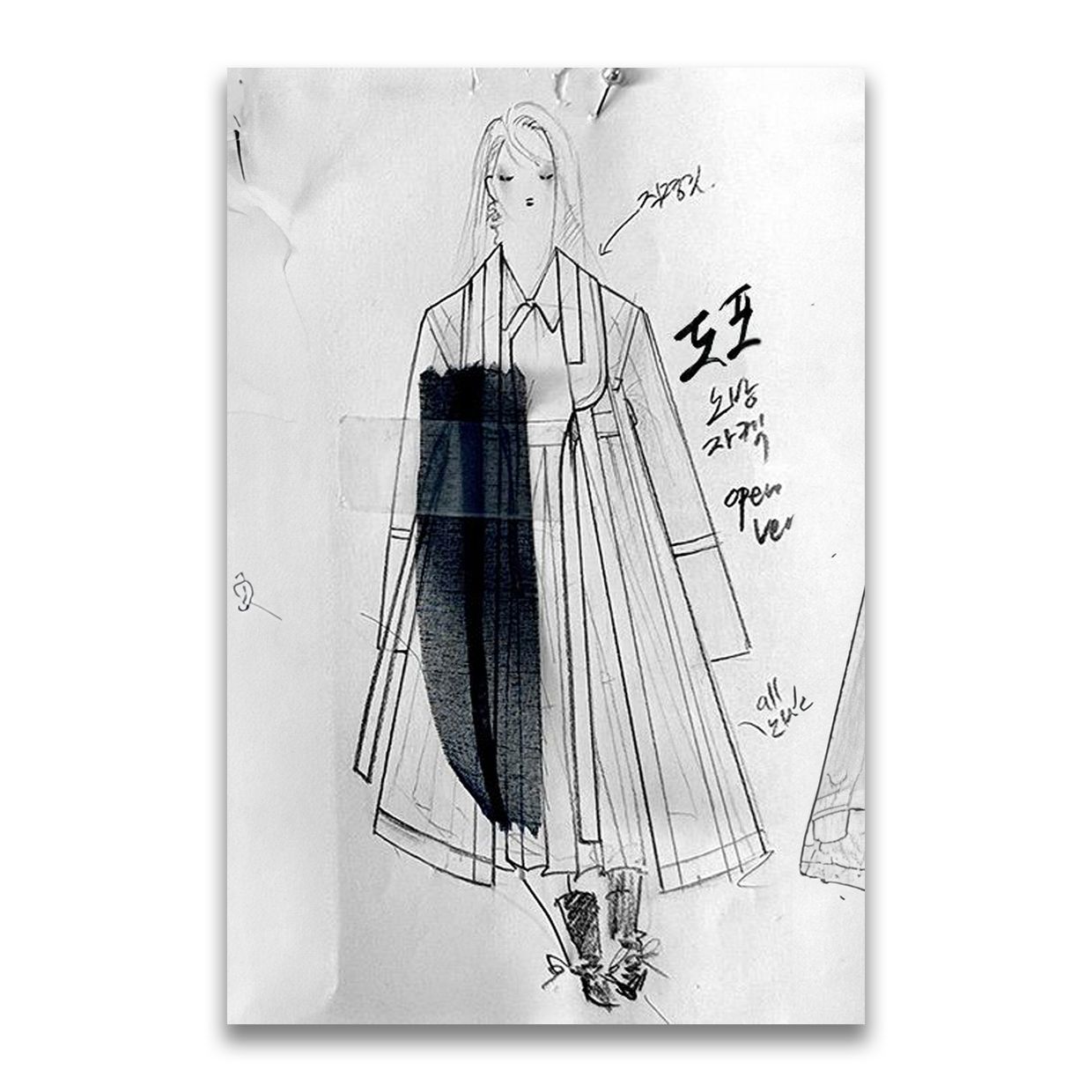
All fabrics are made of Nobang. They are crafted accordingly.
Inner lining., Added seam accents to the outer lining.
"DOPO" sleeves. Applied to the design.
We have embodied the structural elements of traditional Hanbok.
What is 'Dopo'?
Dopo is a type of Po that became widespread after the Japanese invasions in the mid-Joseon period.
It served as both formal and ceremonial attire for the yangban class.
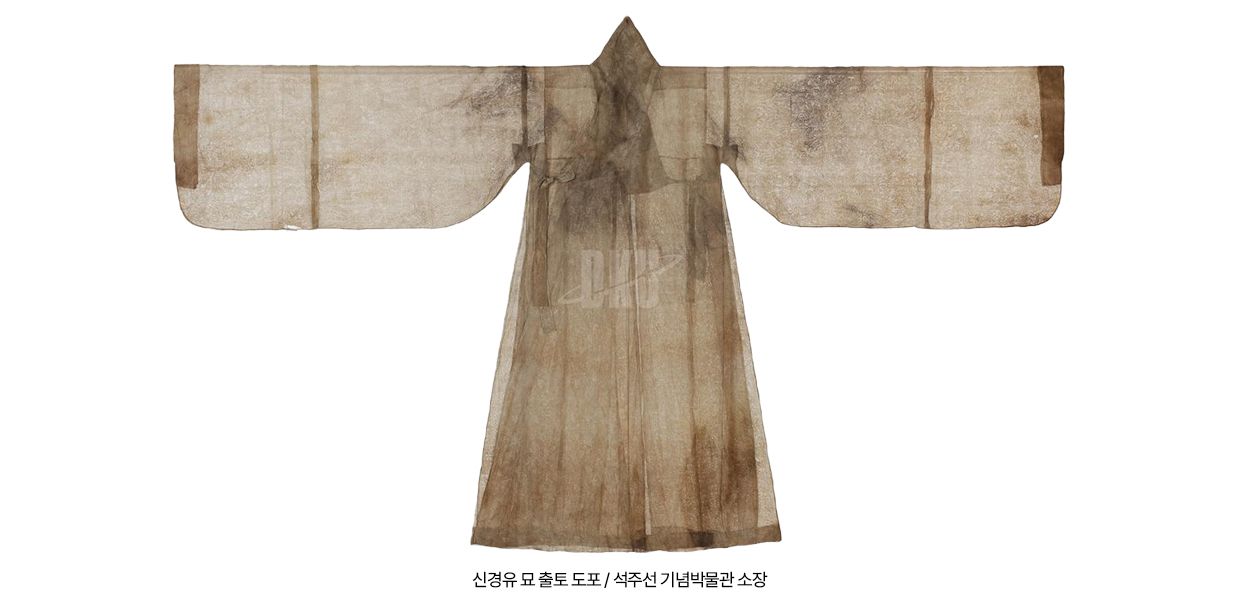
This garment, excavated from the tomb of military official Shin Gyeong-yu,
is a summer single-layer Dopo with grape patterns woven throughout.
The collar is a knife collar and the sleeves are round sleeves.
The sleeve ends, hem, and front edges are trimmed with piping. You can check it.
In the case of the dopo excavated from the Shingyeongyu tomb,
Compared to the typical dopo,
It features narrow sleeves and a slim silhouette. It is.
Shin: Seoul Nobang Dopo is
Focusing on the dopo excavated from the Shingyeongyu tomb,
It was designed with a focus on pattern and silhouette.
The history of dopo's transformation.
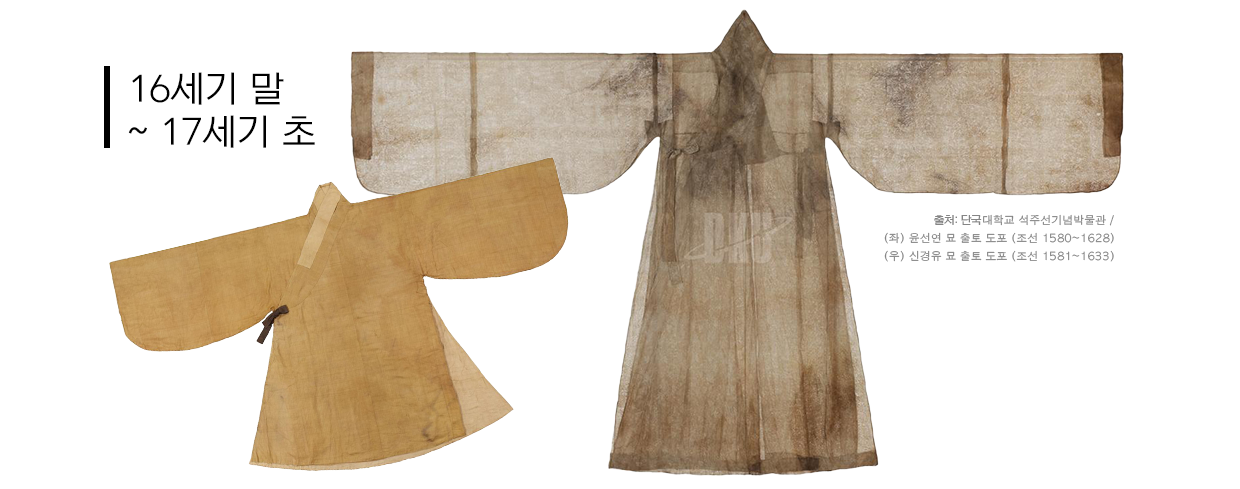
1. Mid-Joseon Dynasty
Worn since after the Imjin War,
Dopo was the exclusive attire of the literati and yangban.
: Dopo in various forms and fabrics.
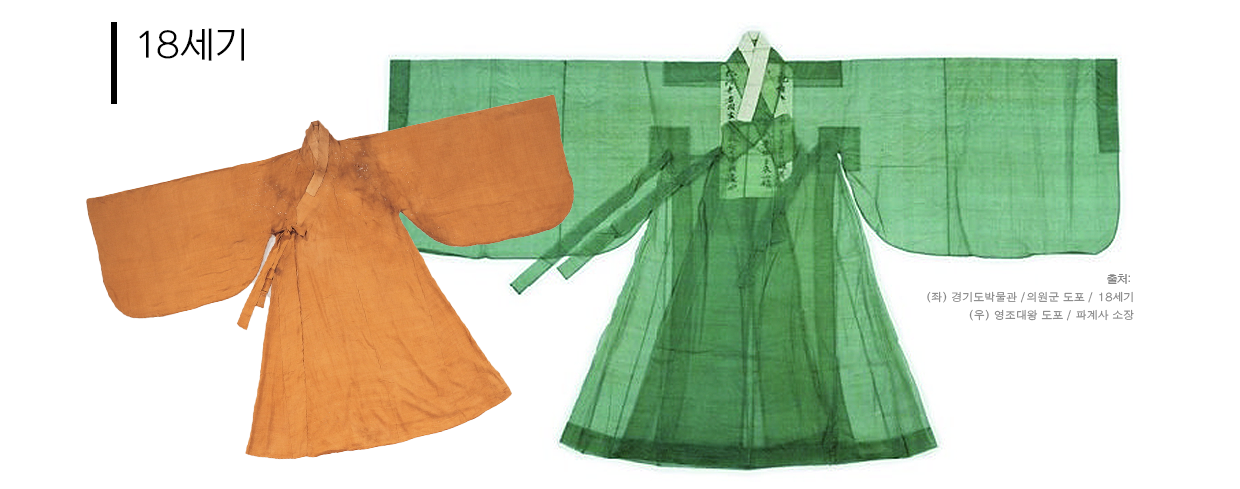
2. Late Joseon Dynasty
In the 18th century, it developed into single-layer dopo made of ramie or silk,
Later, dopo became widespread among commoners in the late Joseon period.
: The fabric was simplified, but the dopo featured vibrant colors.
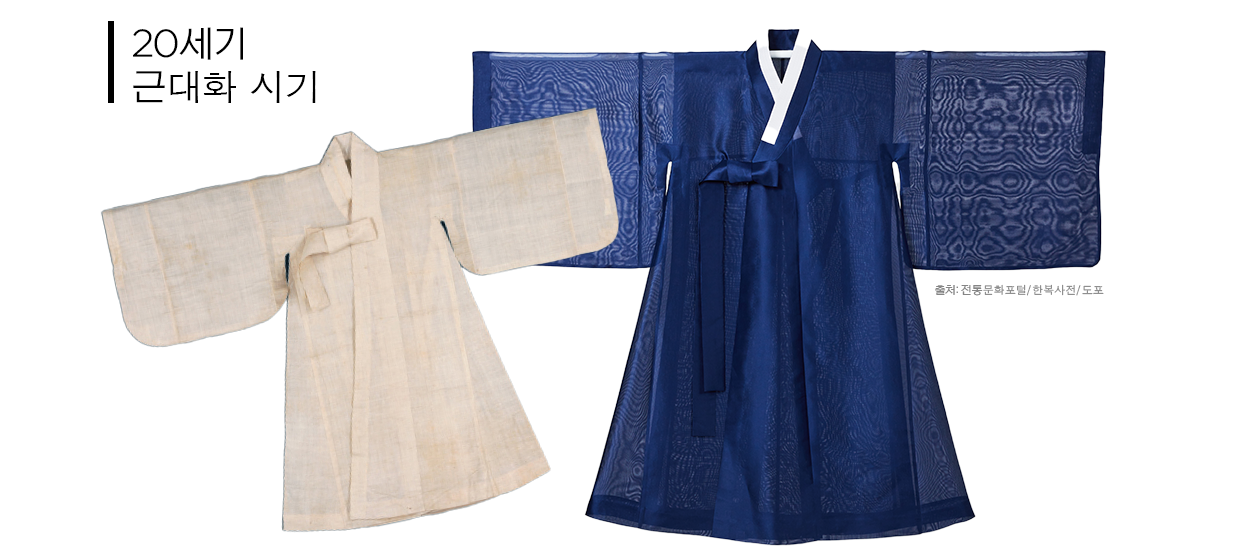
3. Since the 20th Century
Simplified through modernization
: As the front panel was joined inside the left and right back panels
A dopo without a back center slit
✚
As the dopo changed with the times
The shape, structure, and range of wearers have constantly evolved Over time.
In the mid-Joseon period when the dopo was first introduced,
It began as everyday wear for the yangban class
With the relaxation of regulations in the late Joseon period, even commoners wore the dopo
20 It was also simplified over the course of the century.
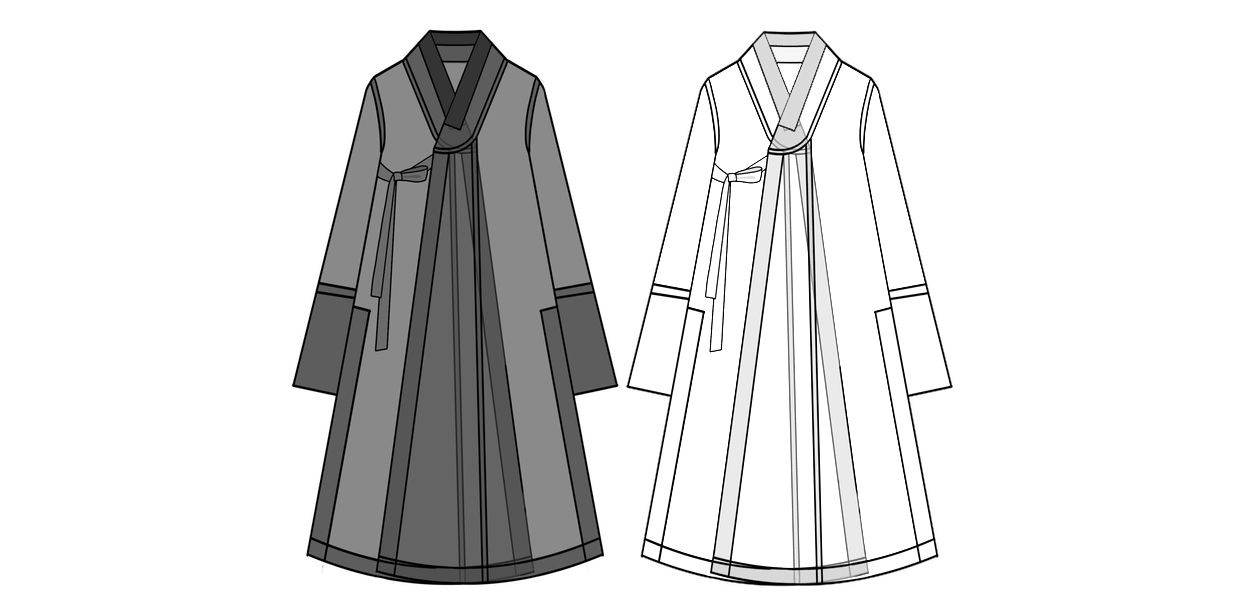
As it has transformed with the changes of the times
We have incorporated the components of the dopo
And reinterpreted it as a modern layered item.
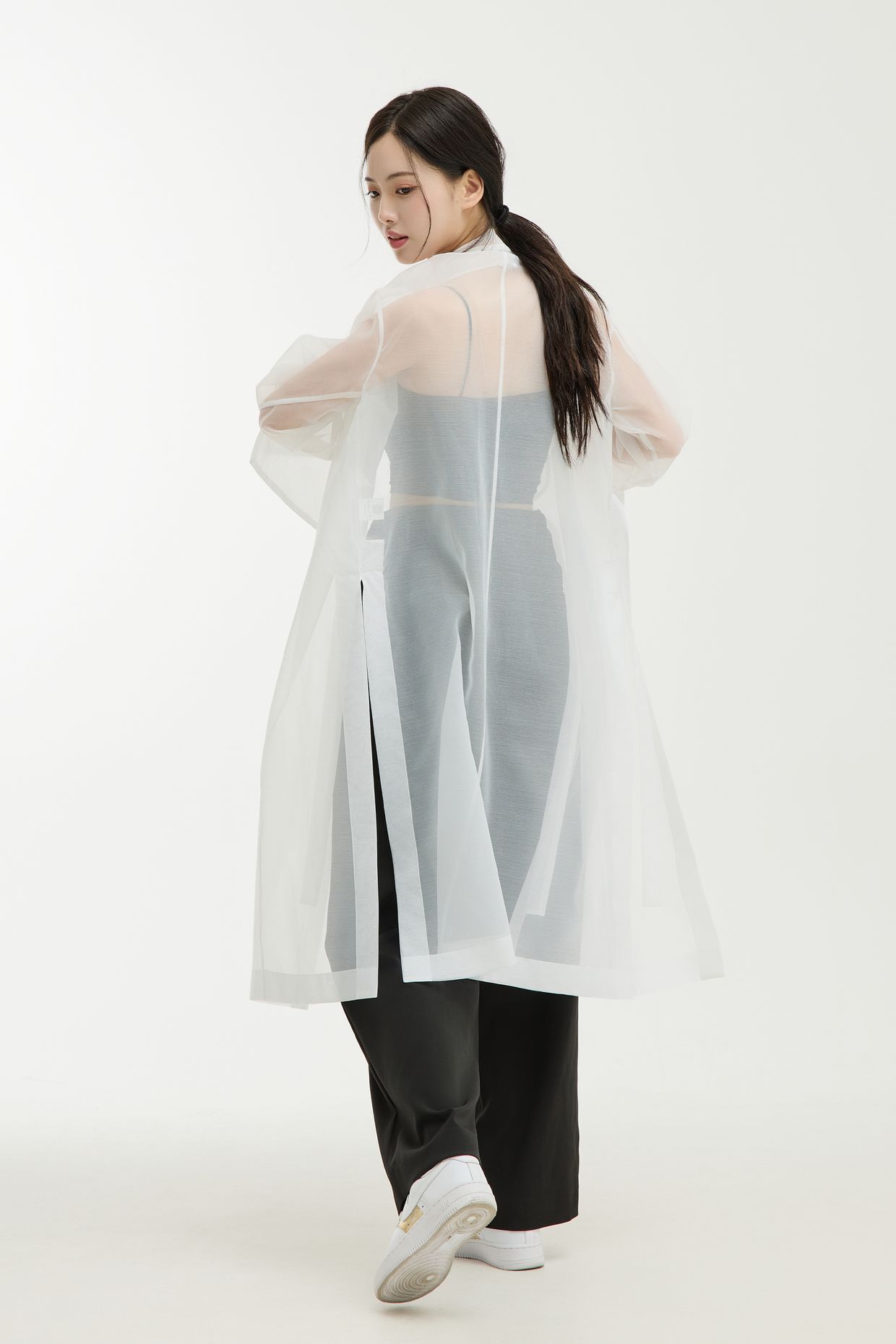
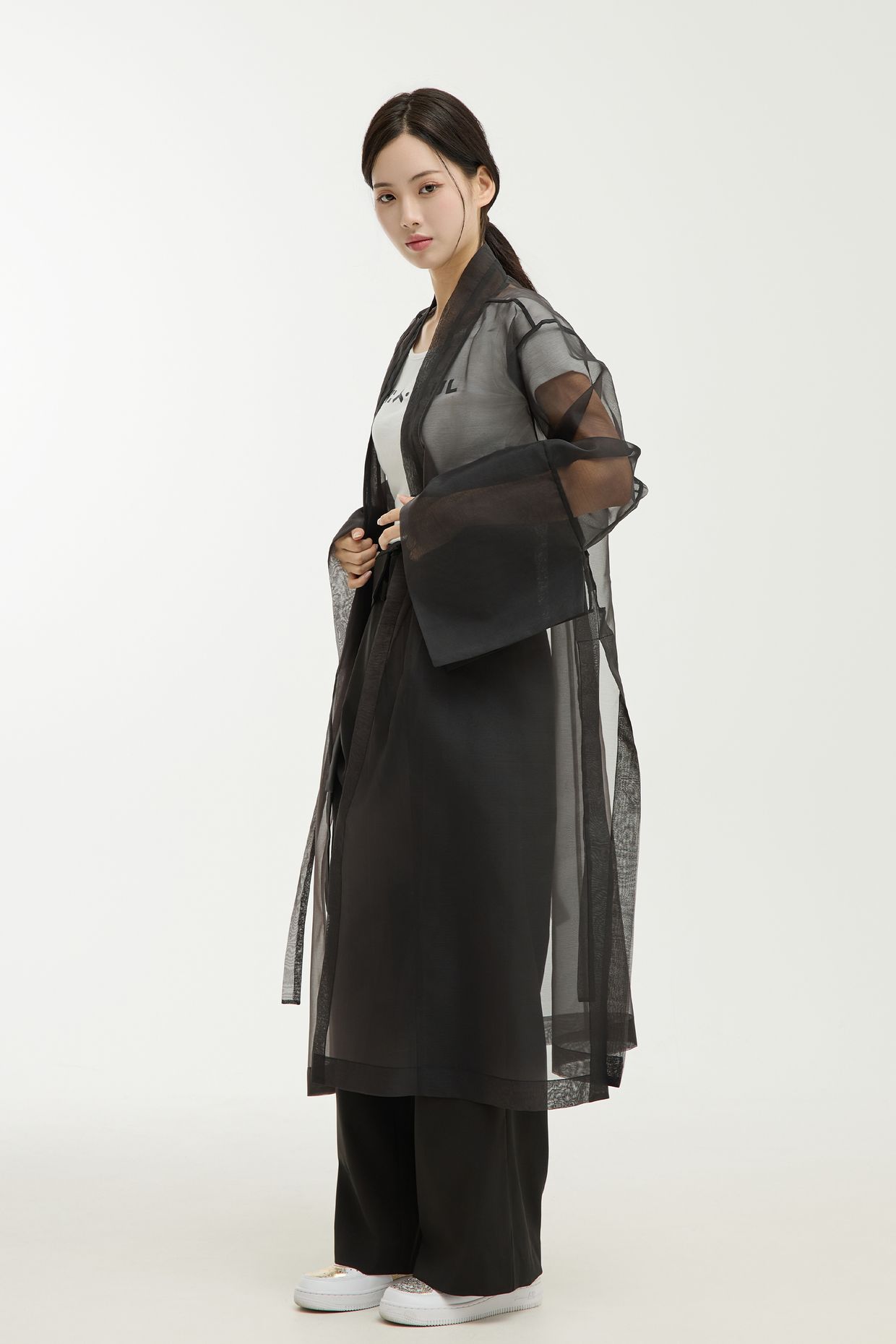
Dopo Of the sleeve hem Shape,
The hemline of the front and side lines Rectangle Tip,
Jeogori Circular Seopseon Pattern design that highlights,
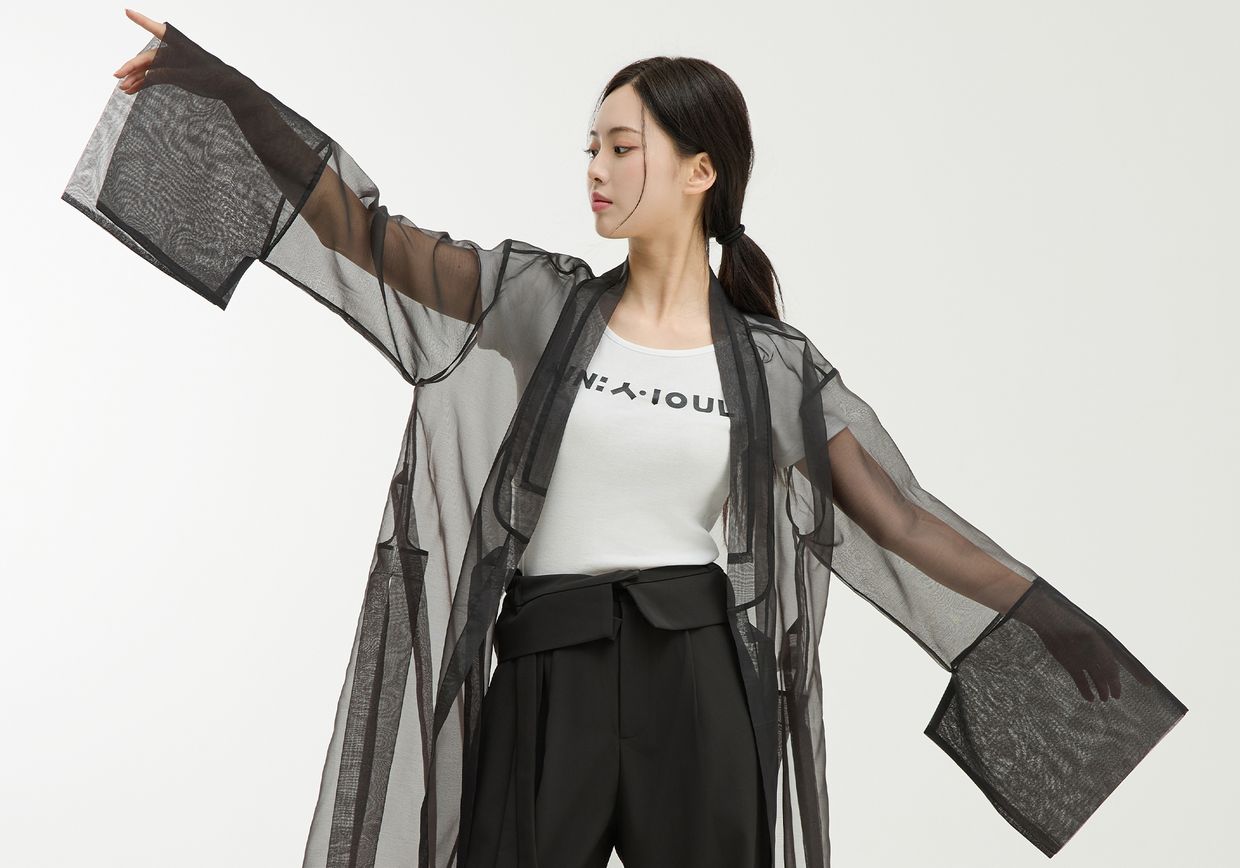
Of organza fabric Single-layer dopo Gives Contrast Even
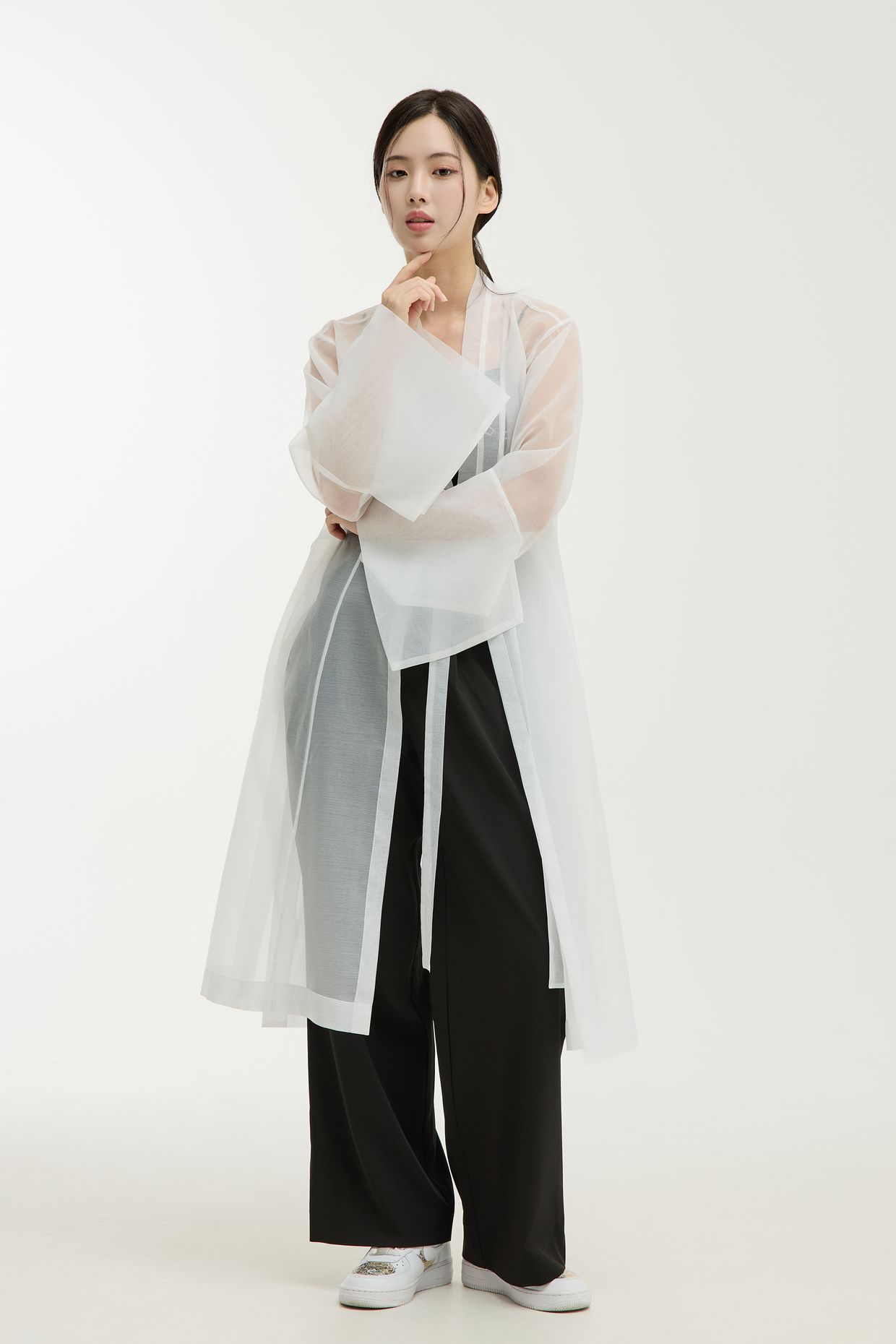
Spring·Summer·Autumn
A coat you can always coordinate with.
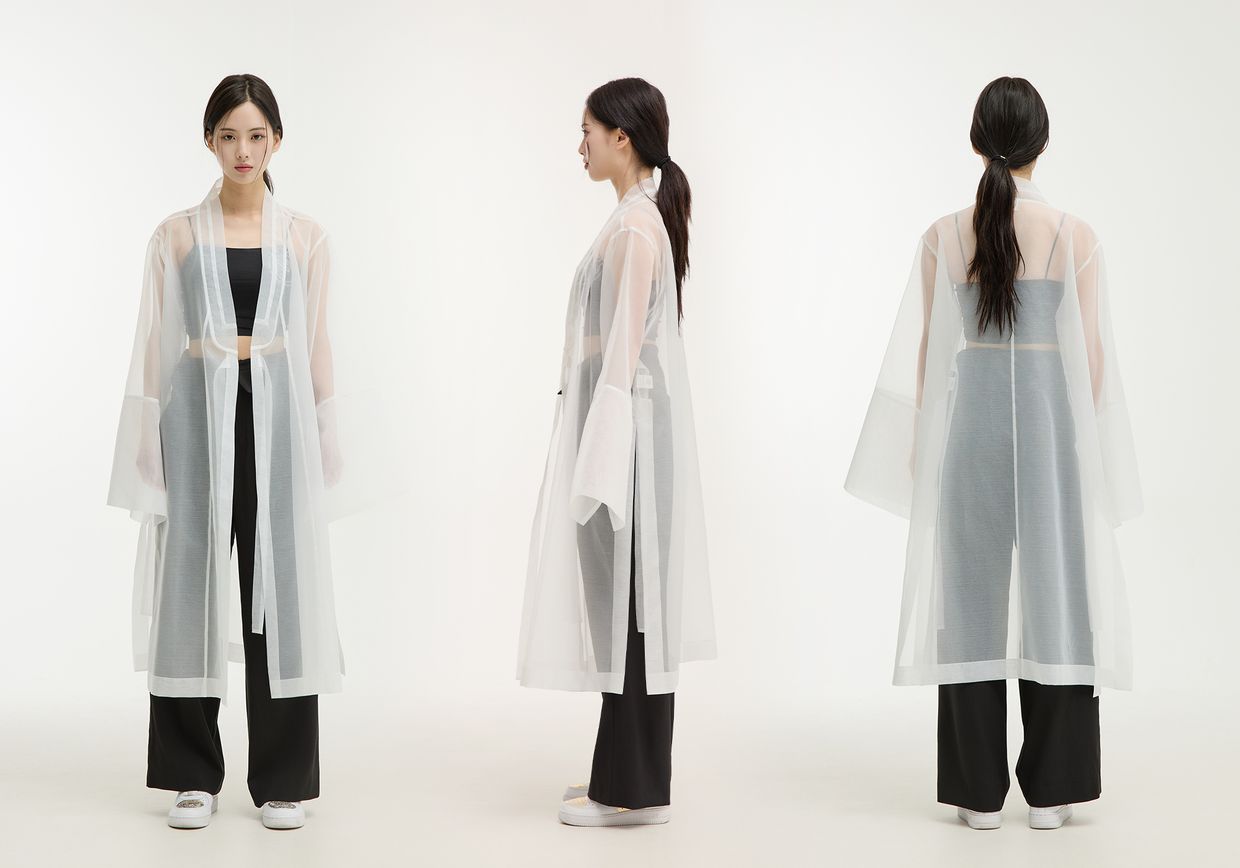
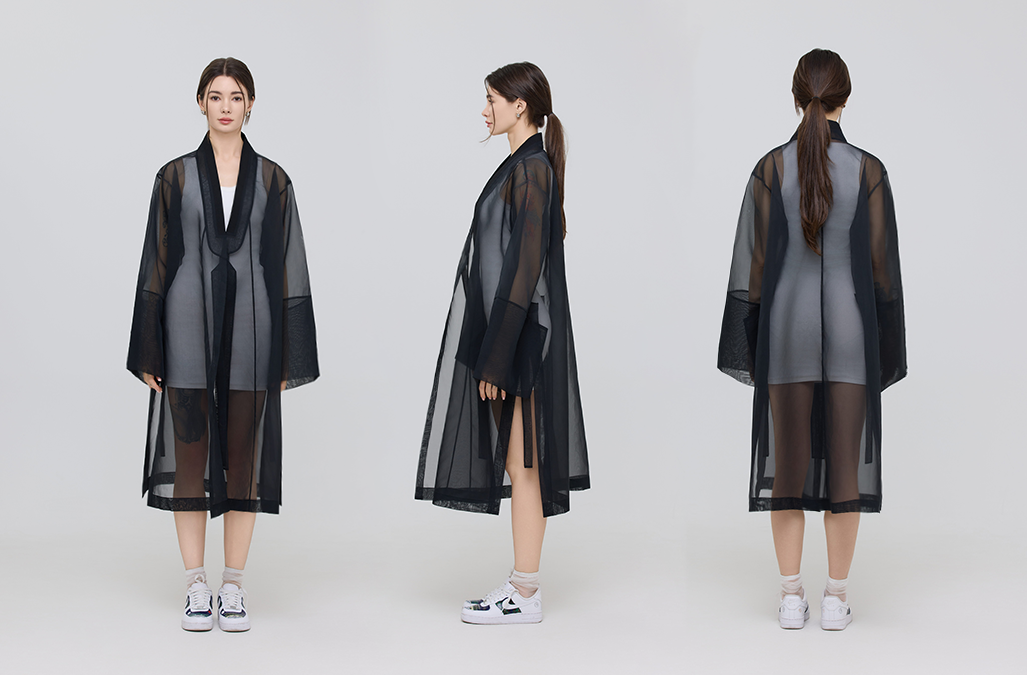
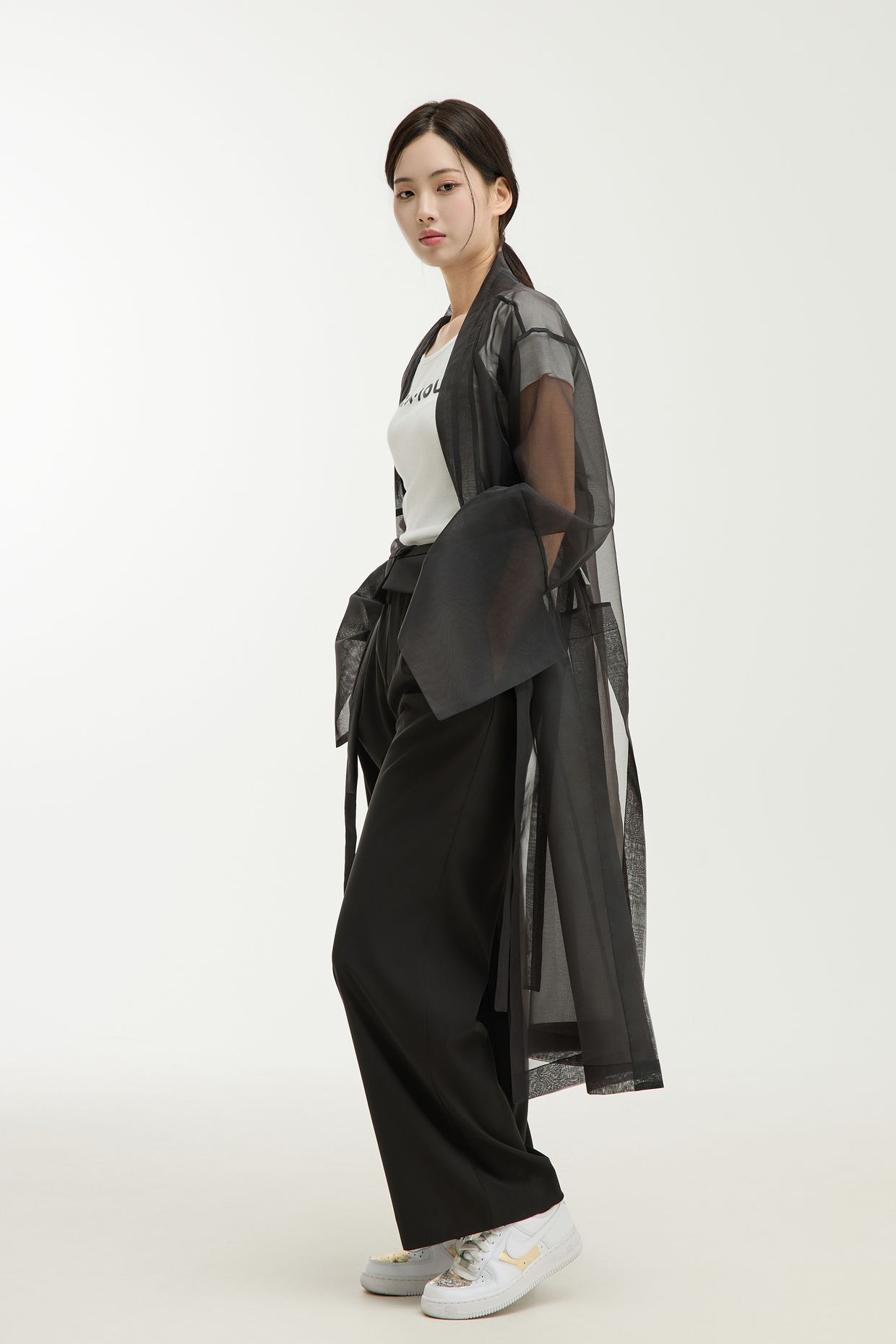
Introducing the Nobang Dapho Coat.
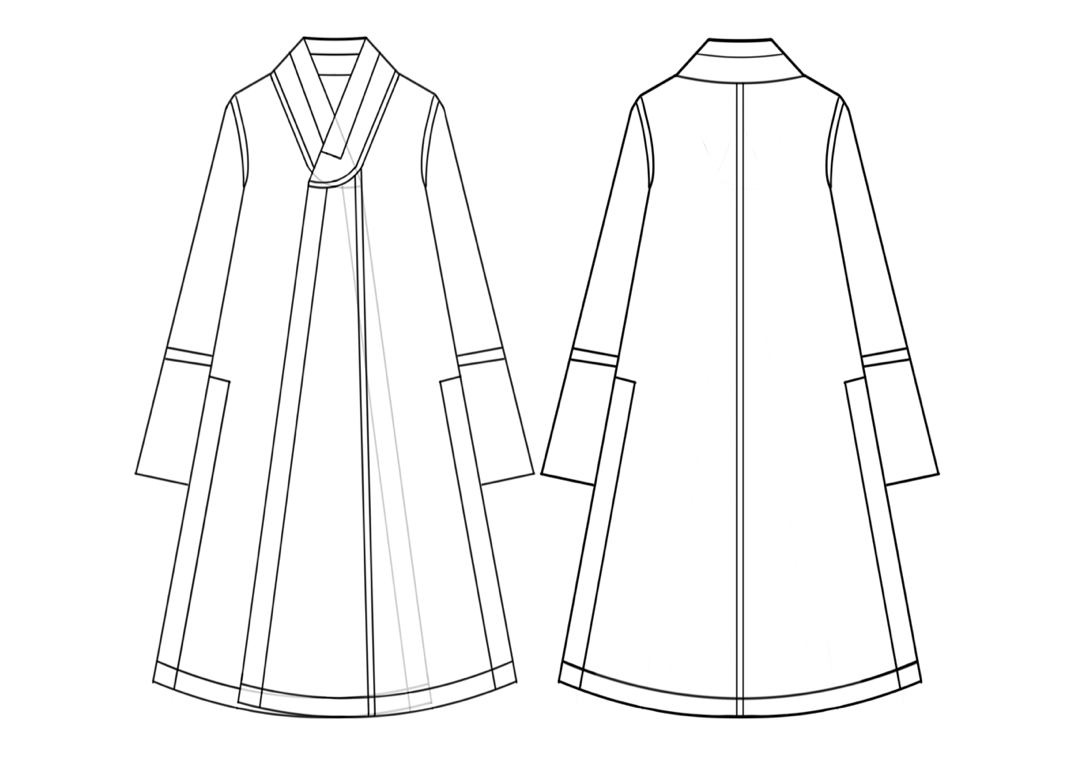
Nobang Dapho Coat Detail Summary.
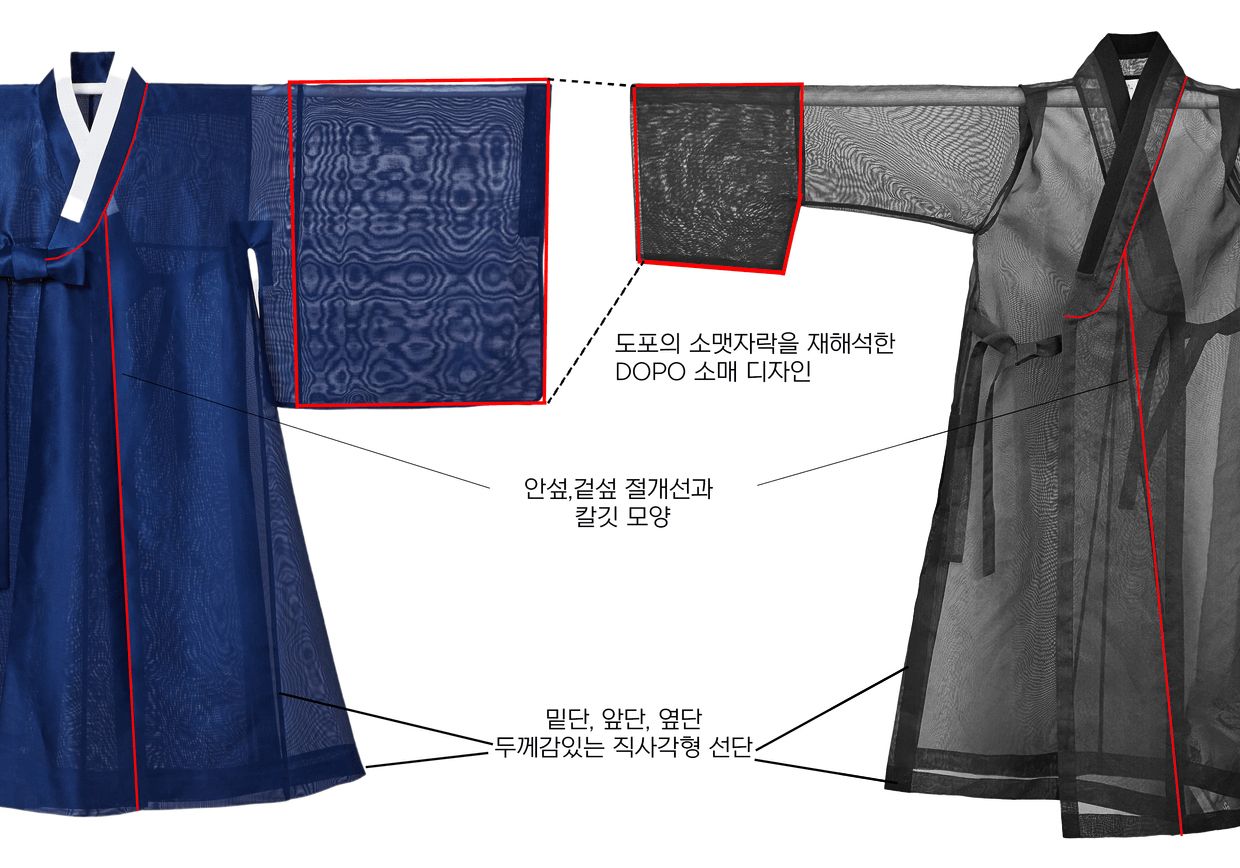
DETAIL
#1 Sleeve
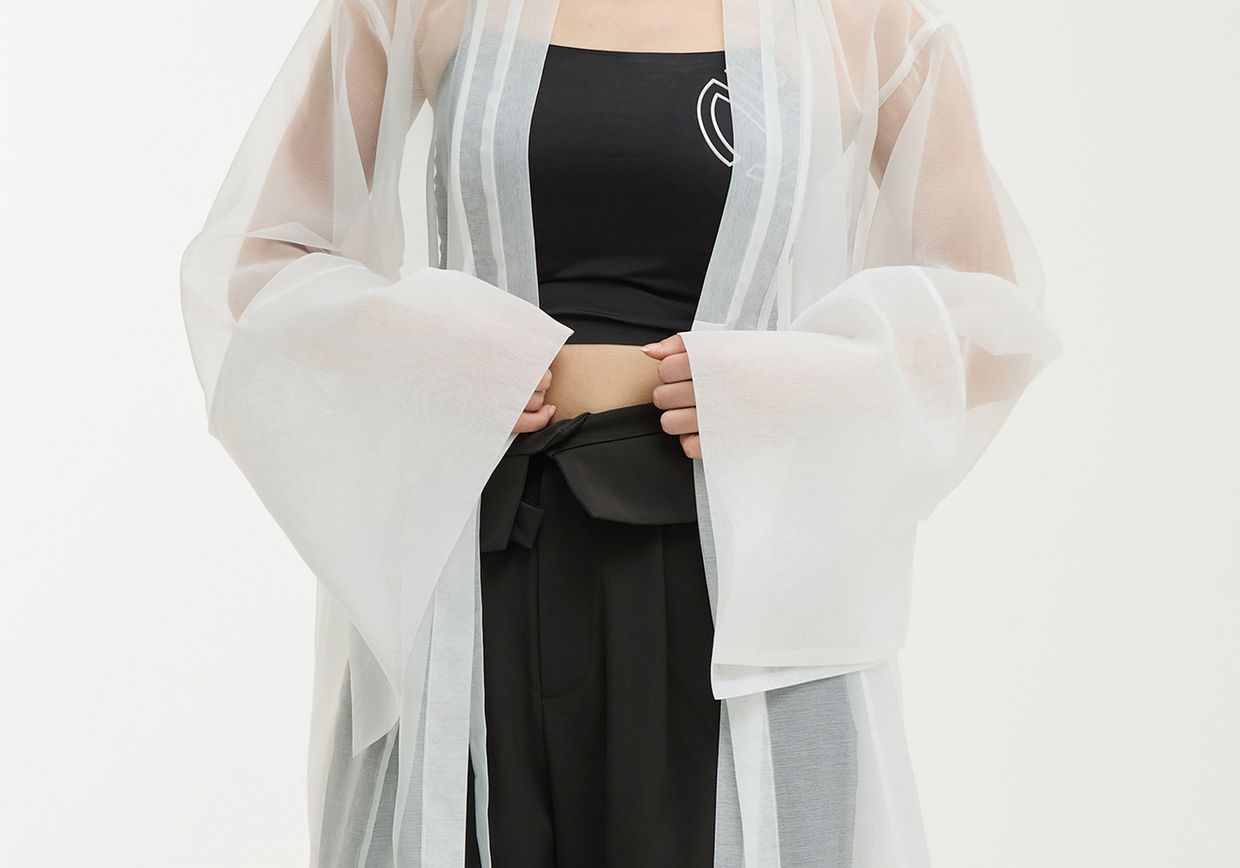
Sleeve design inspired by the hem of the dapho.
A modern reinterpretation of the dapho's sleeve hem,
Capturing the essence of traditional hanbok.
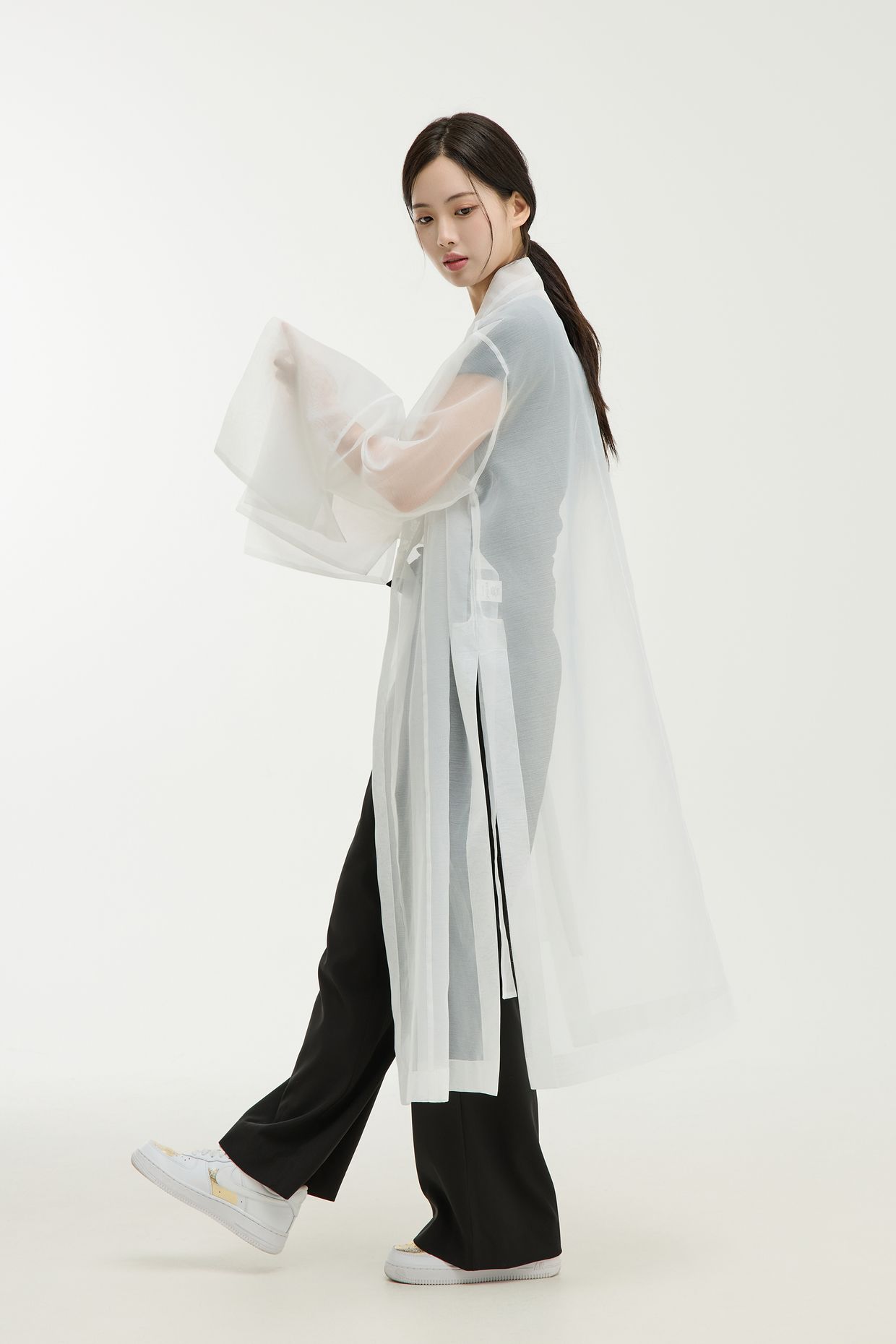
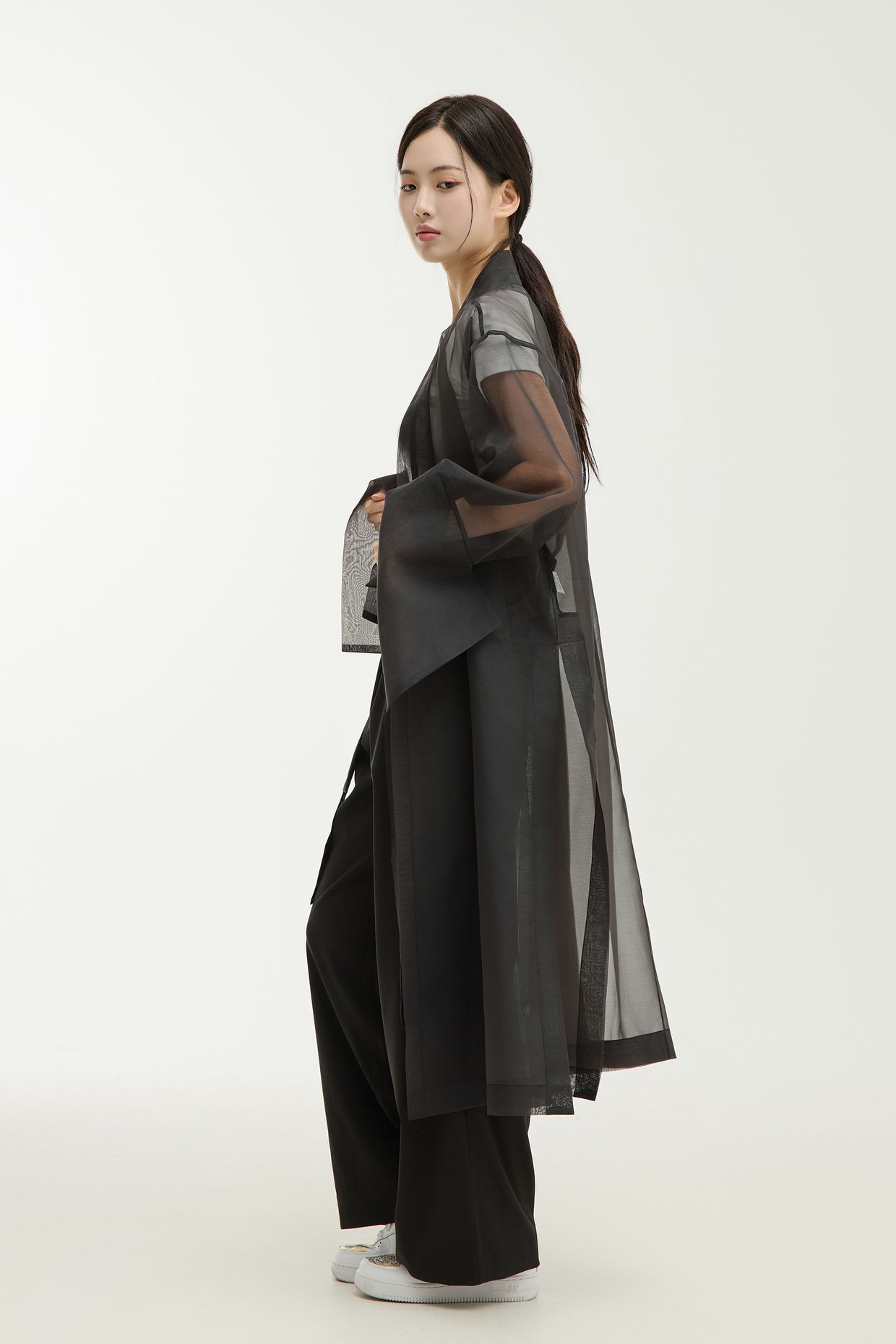
#2 Side seam Slit hem(Hemline)
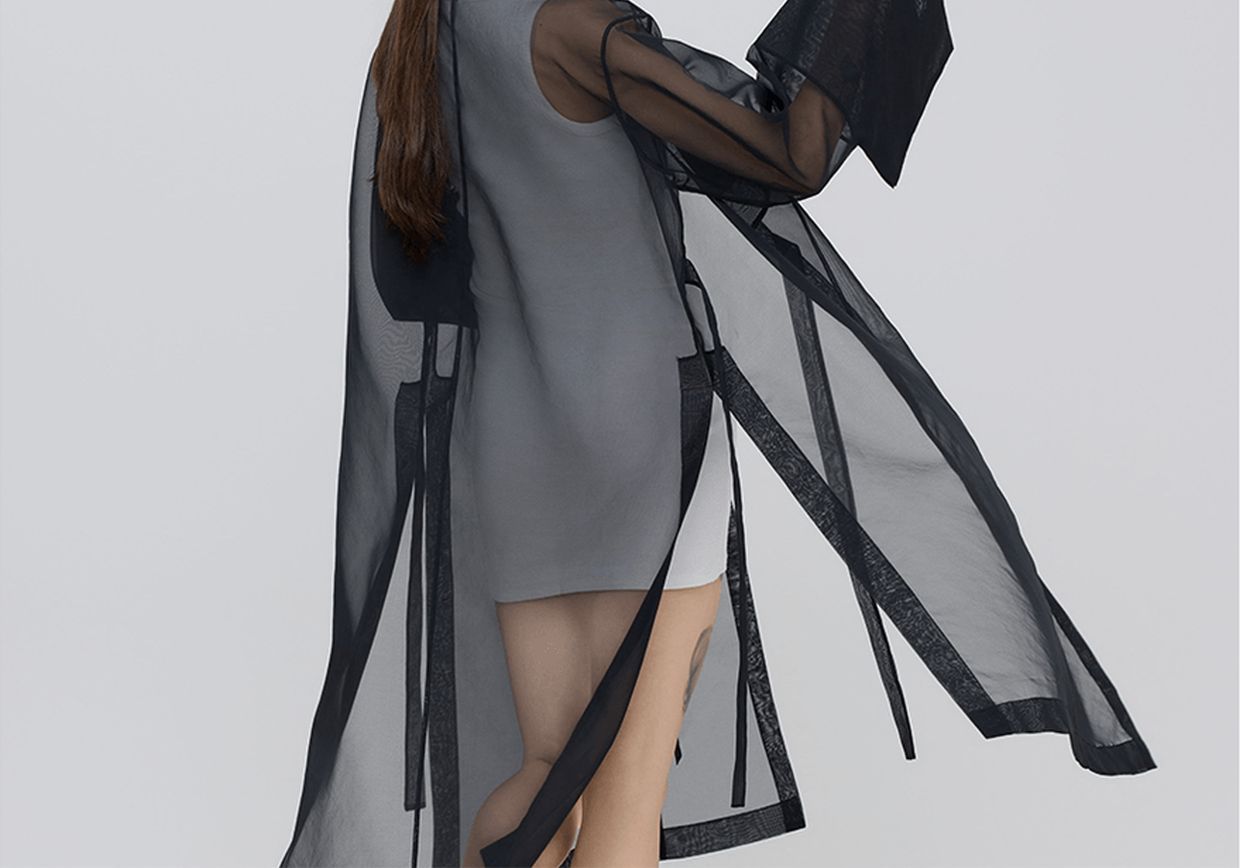
Front, Side, Hemline finished with a border
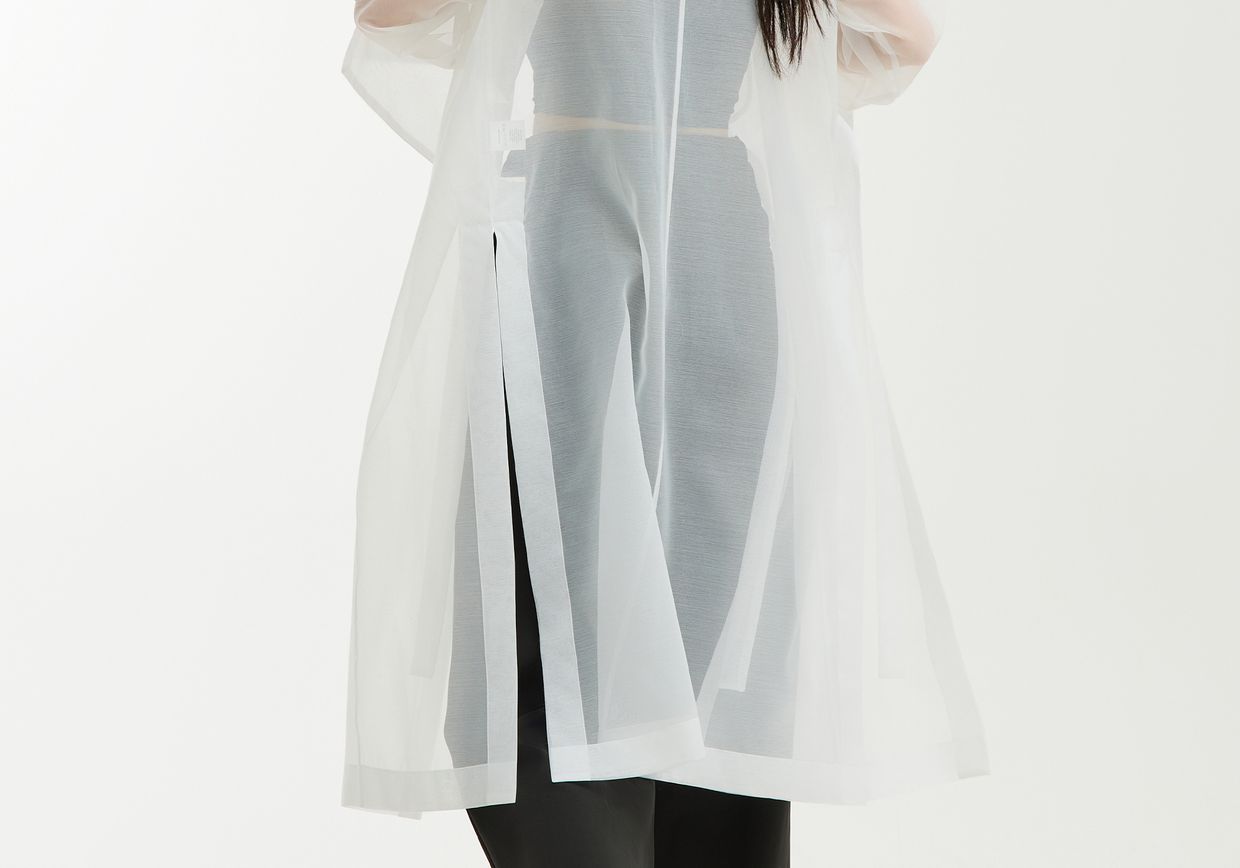
The rectangularly shaped front panel
Securely fixes the slit
Aimed to highlight the charm of the single-layered dopa
#3 Body panel Inner front panel, Outer front seam Cut
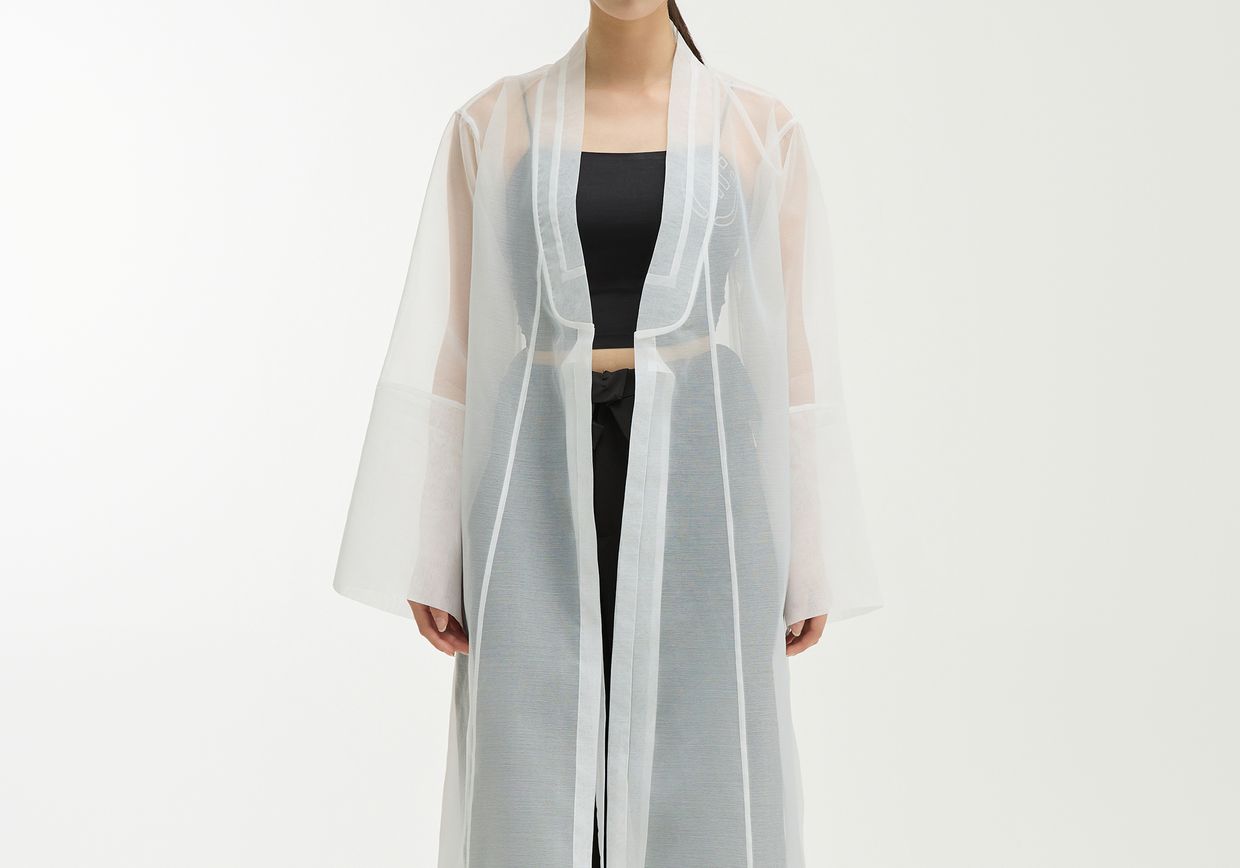
Inner front panel of the hanbok body, Cut pattern that preserves the outer front seam
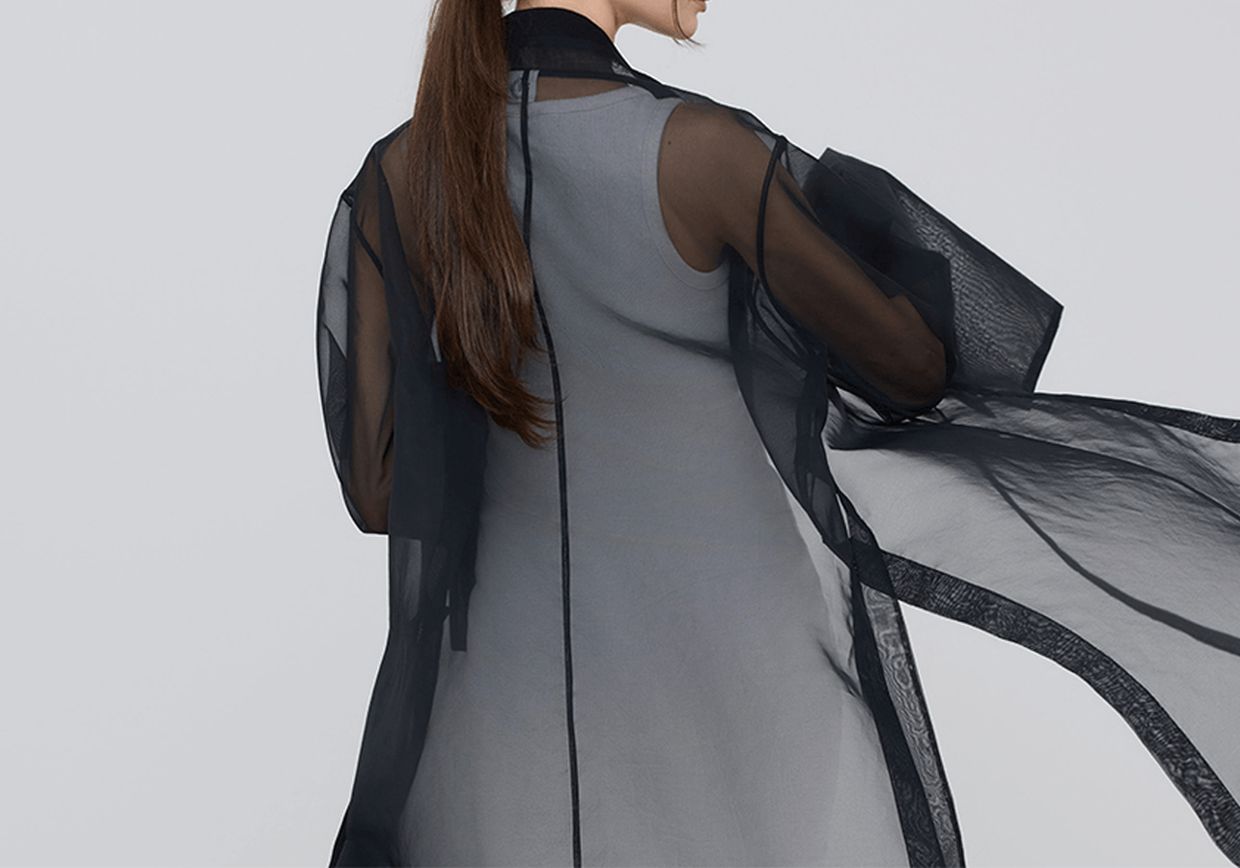
The back panel of the organza dopa also uses the ancient center line
By cutting, a design line was added
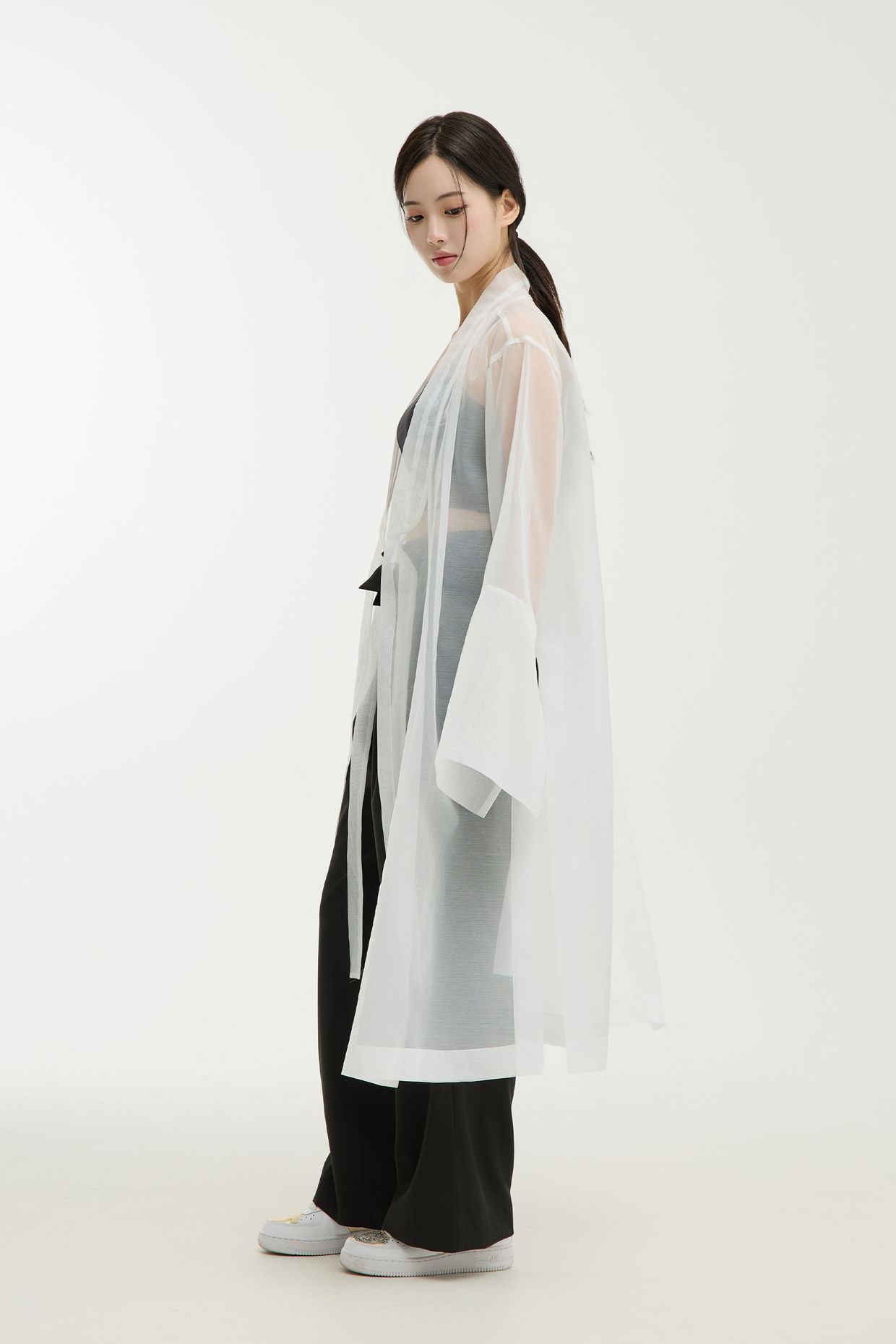
#4 Body panel Whole Organza
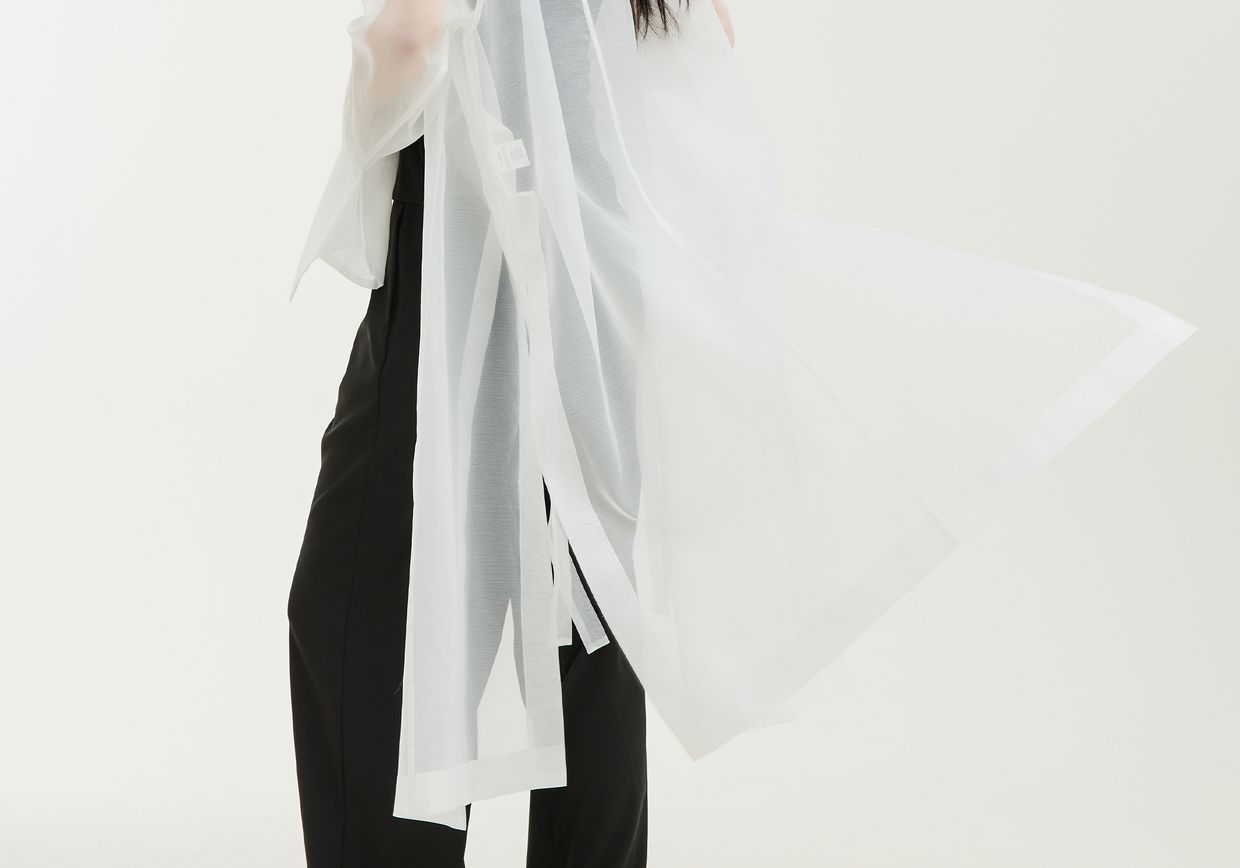
A single-layered dopa that clearly reveals the transparent contrast of the thin fabric
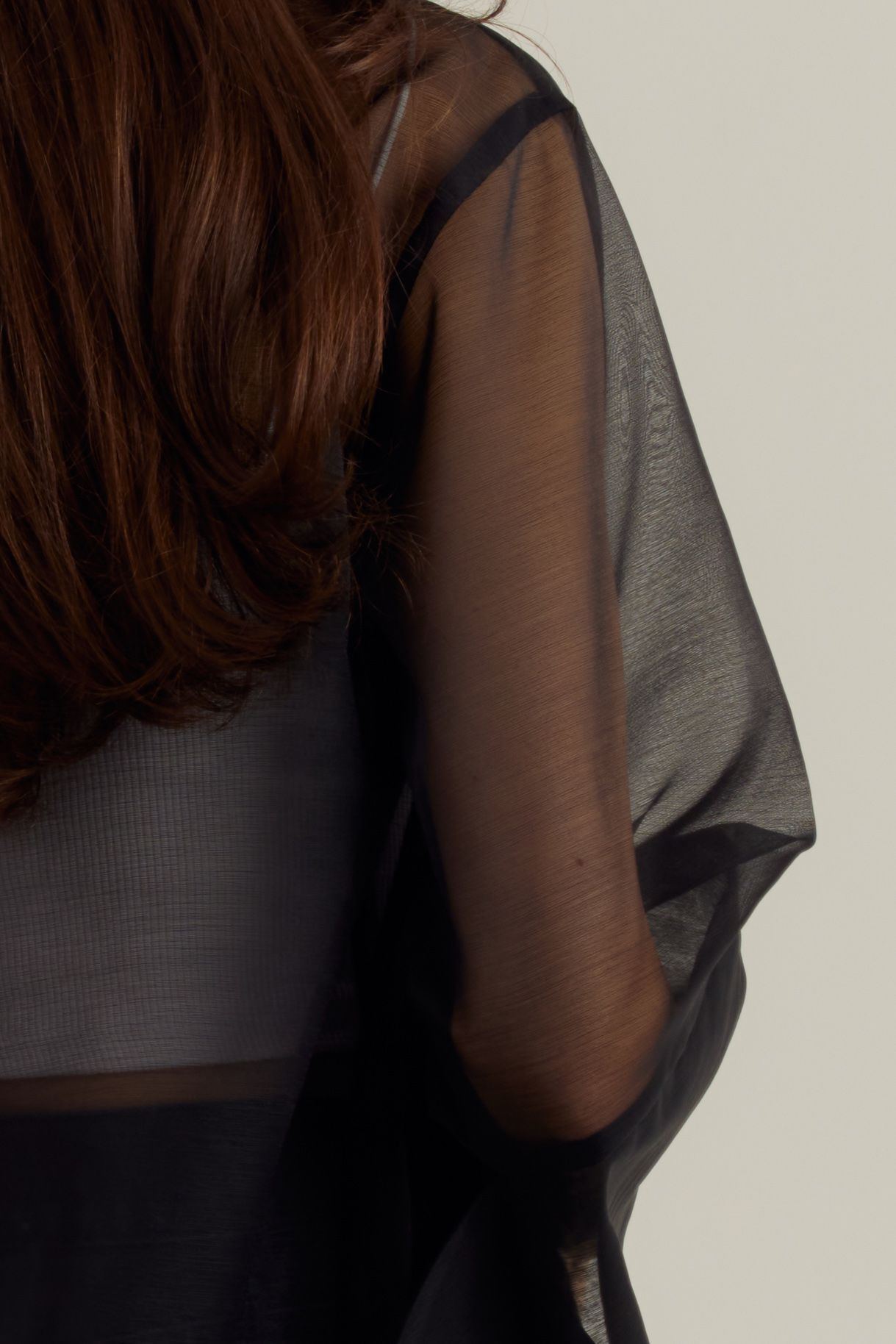
Used a soft and luxurious fabric among organza materials
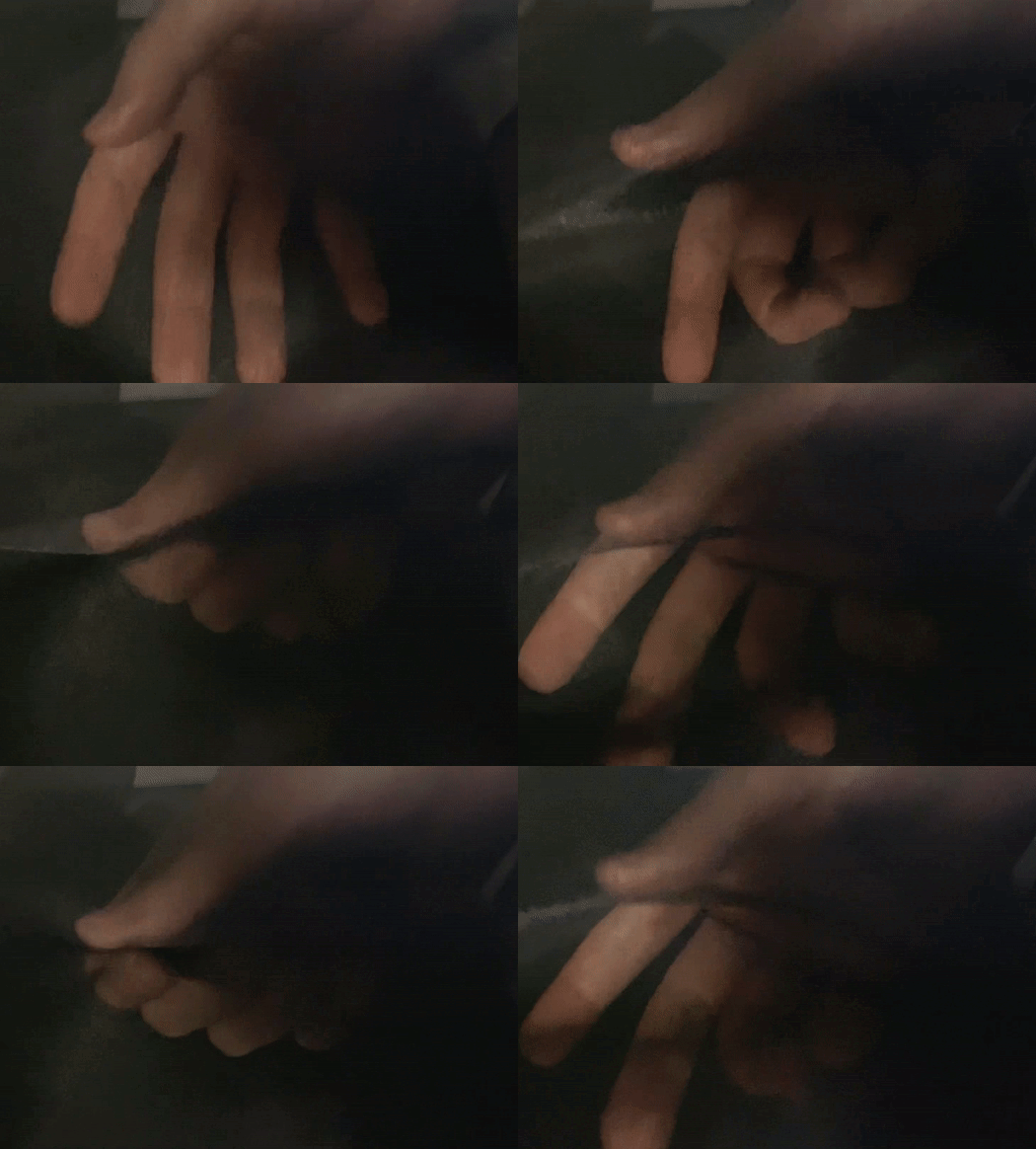
The material is smooth and does not feel scratchy.
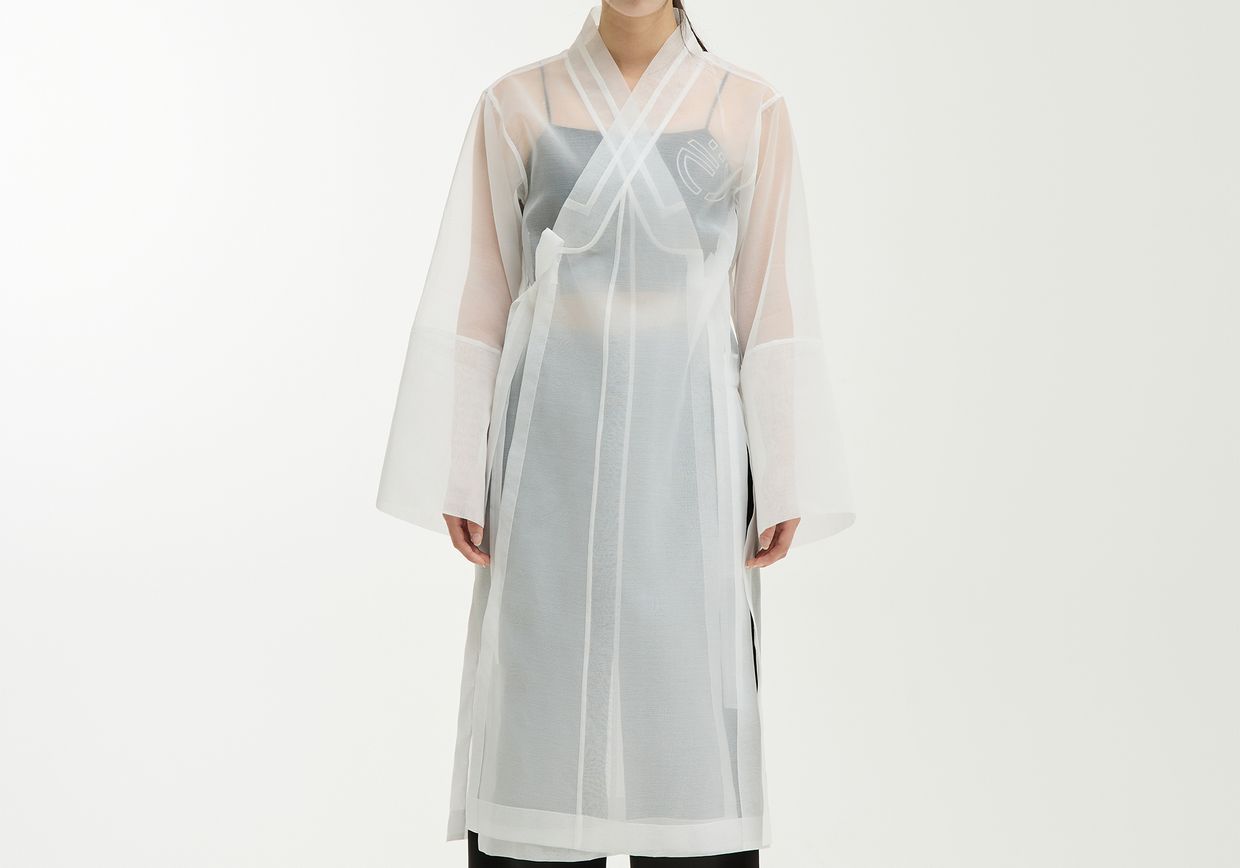
The fabric is made entirely of organza.
You can layer it depending on the outfit you wear together.
It can be styled in various ways and moods.
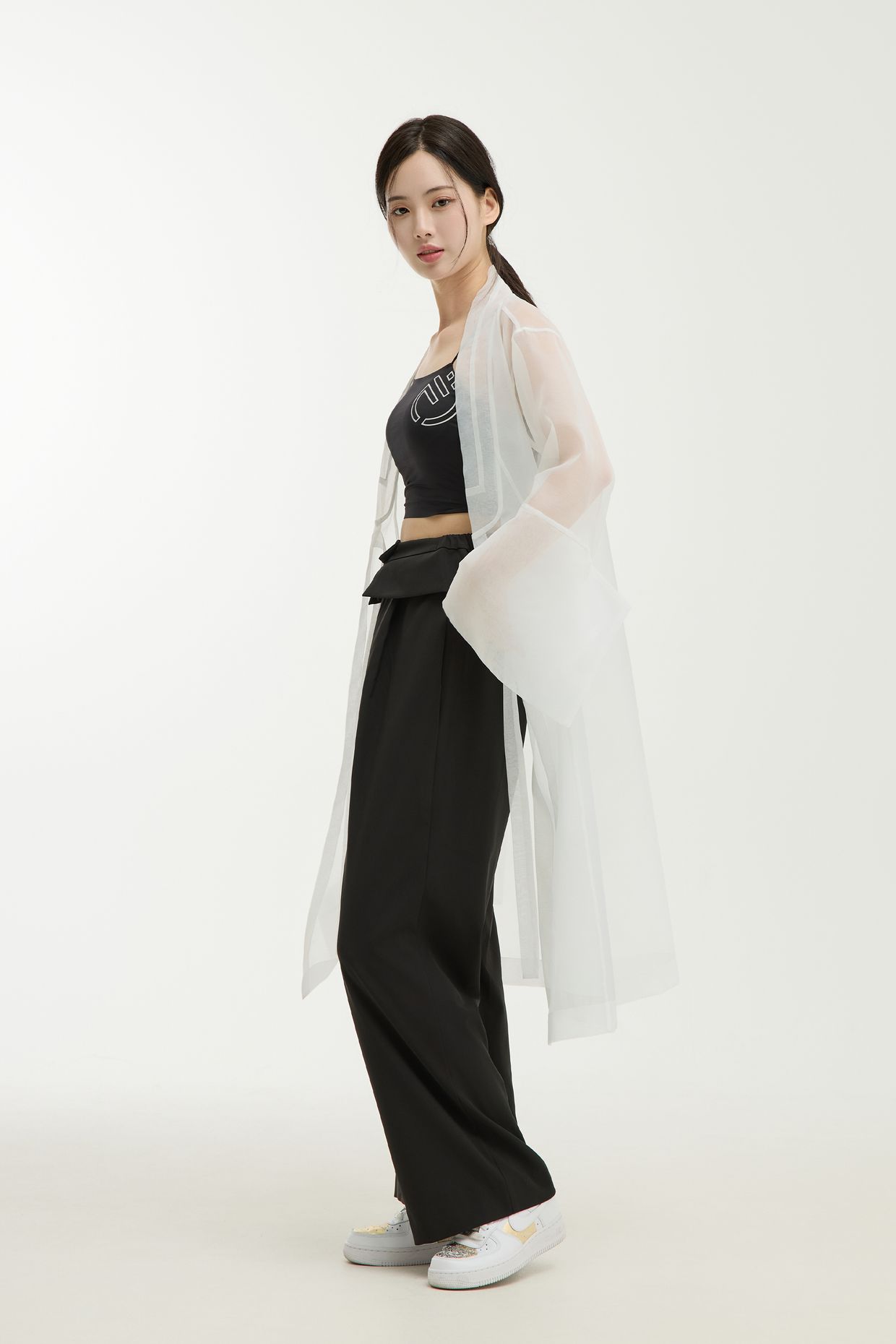
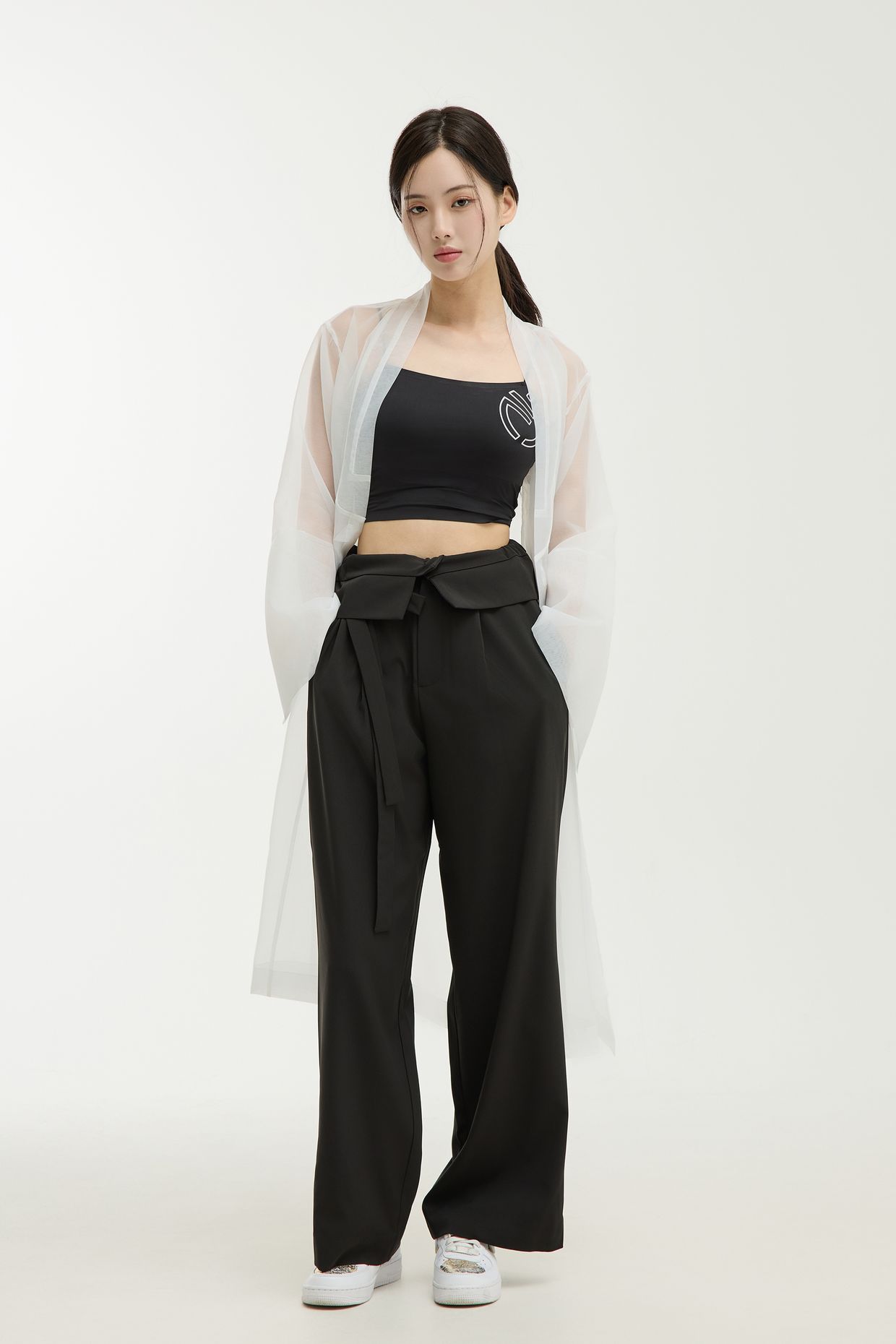
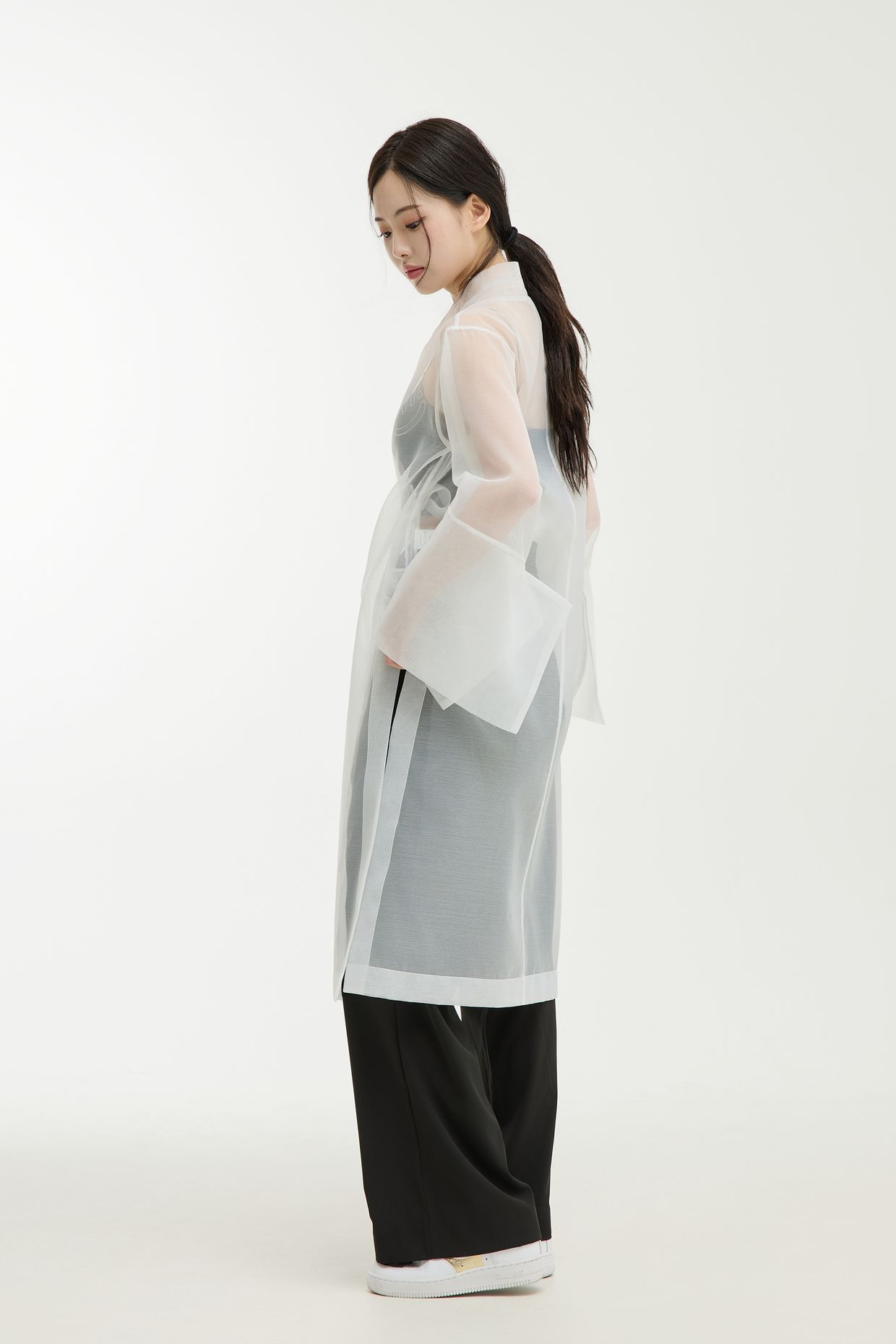
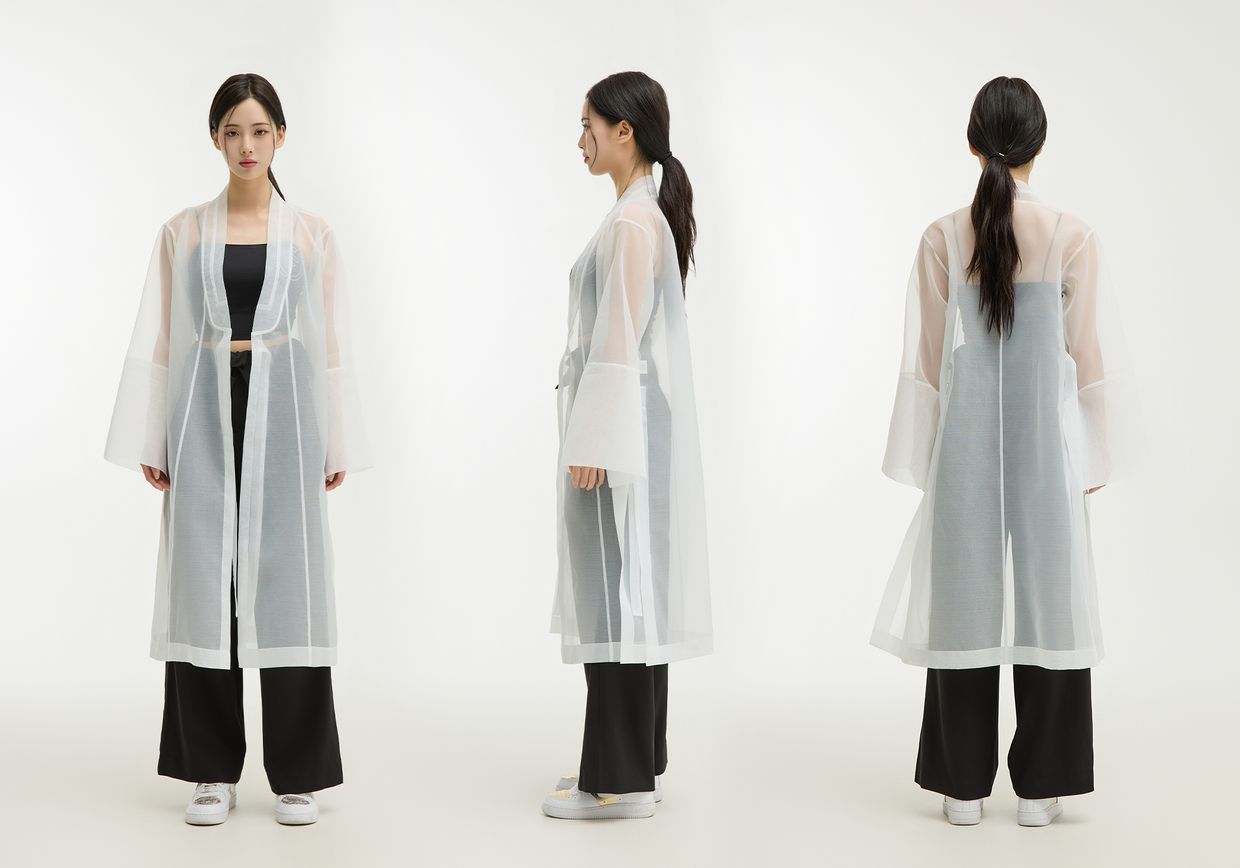
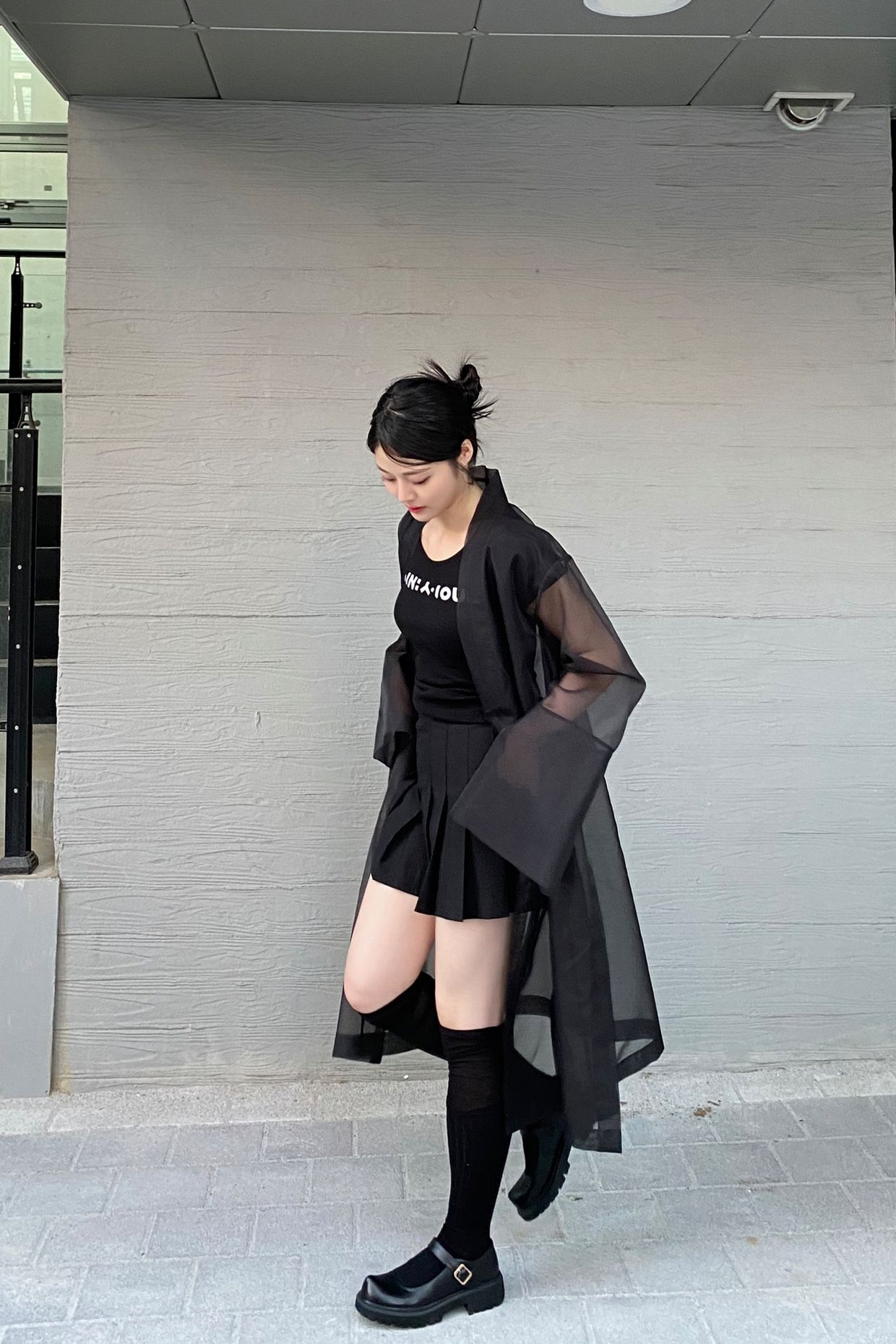
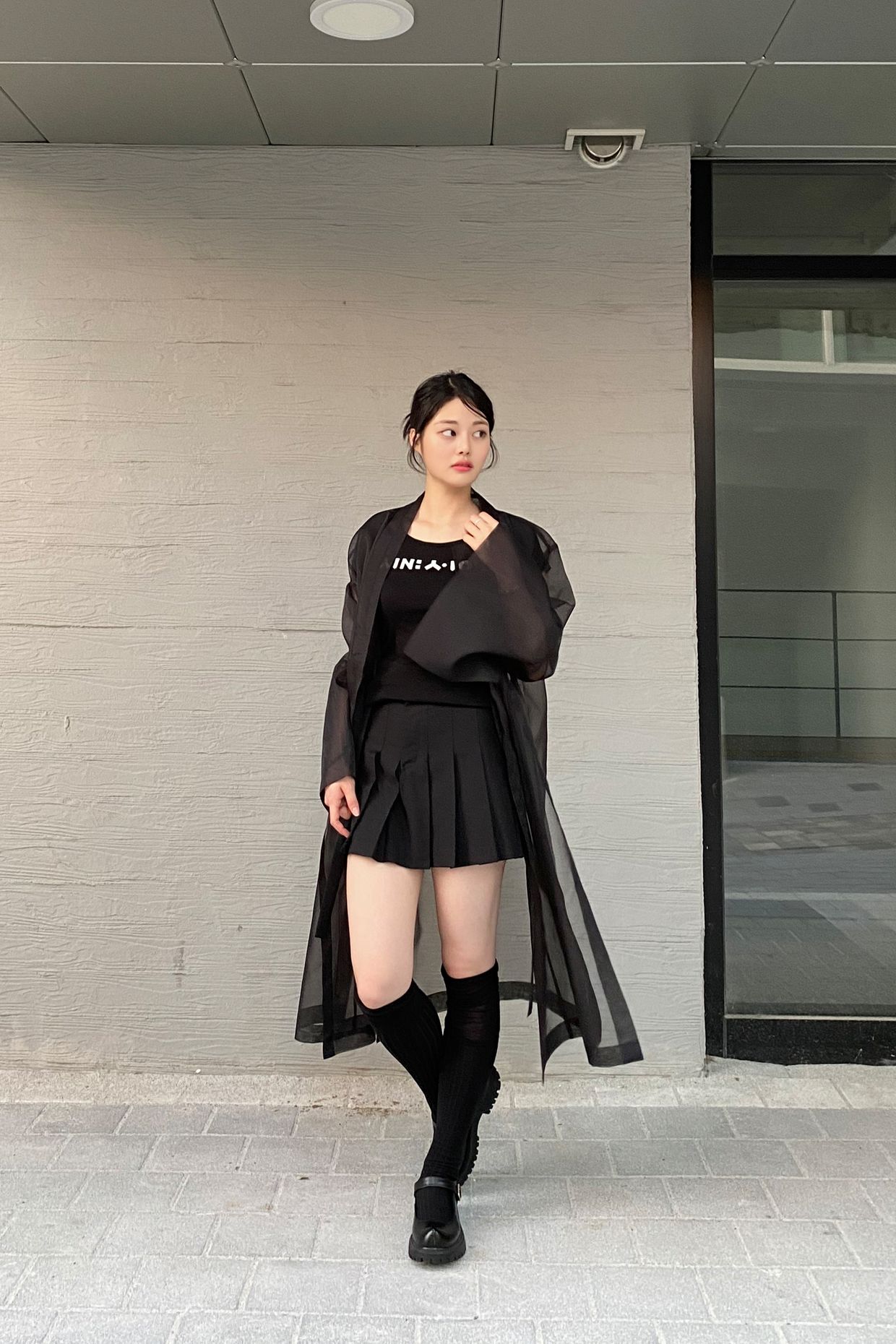
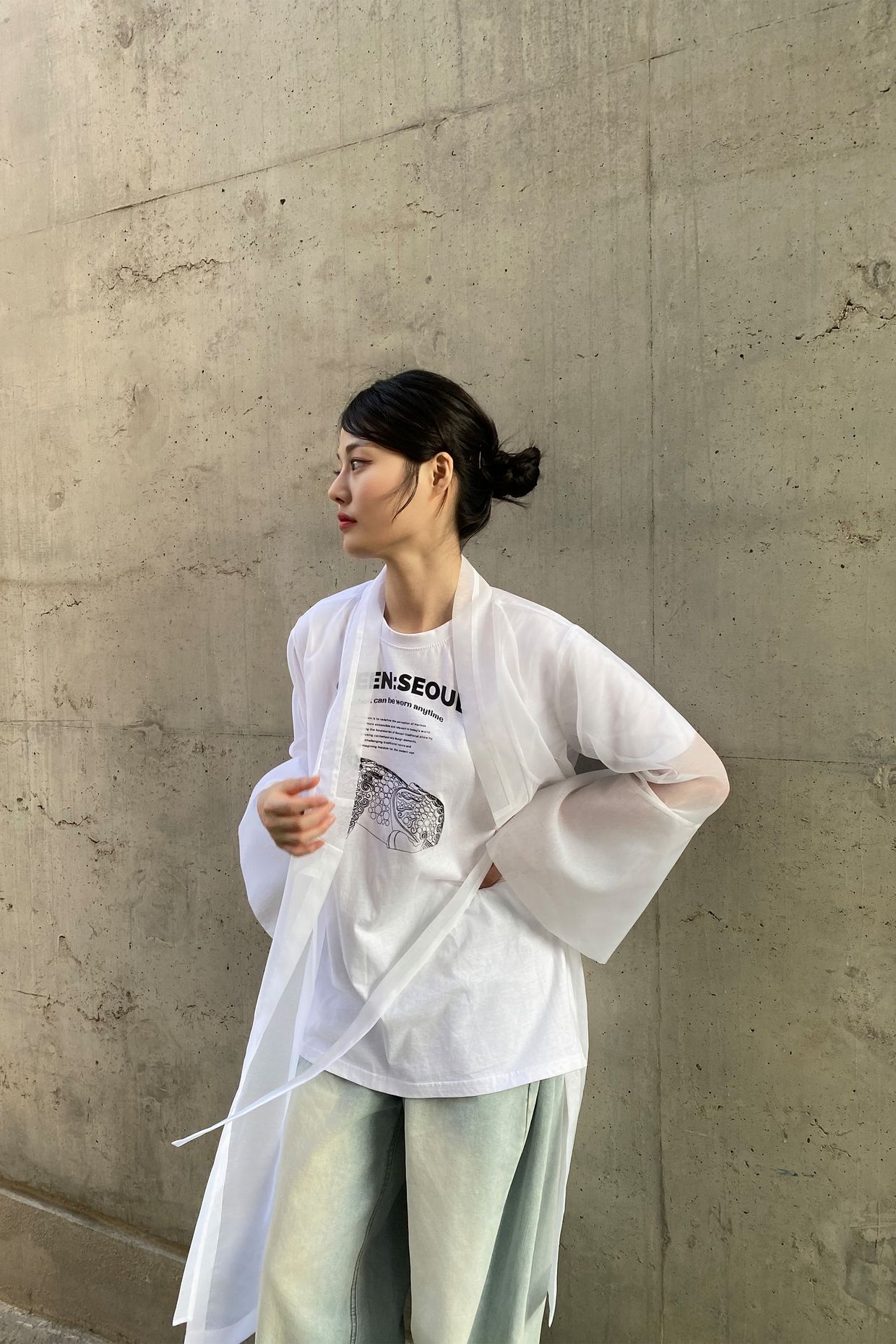
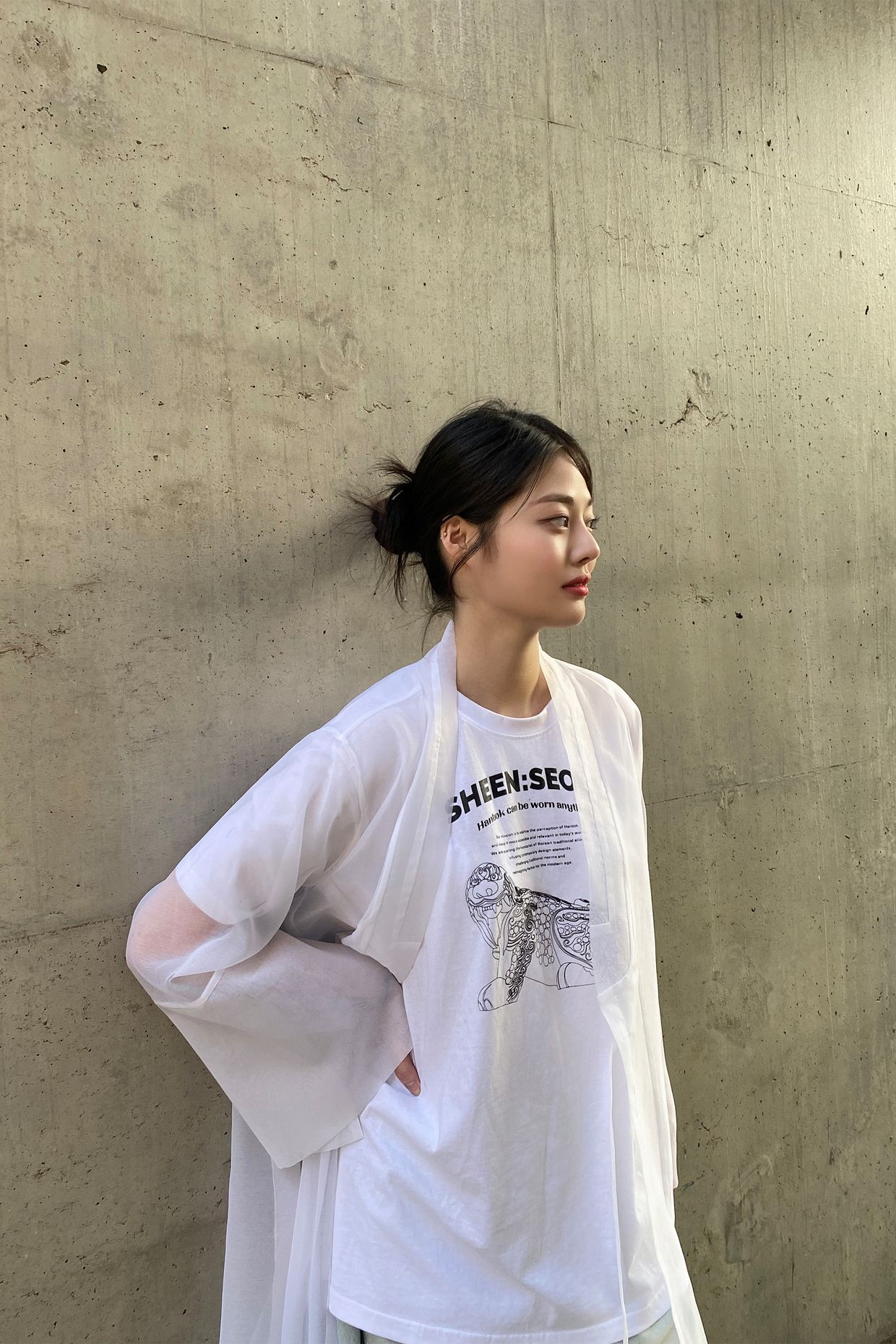
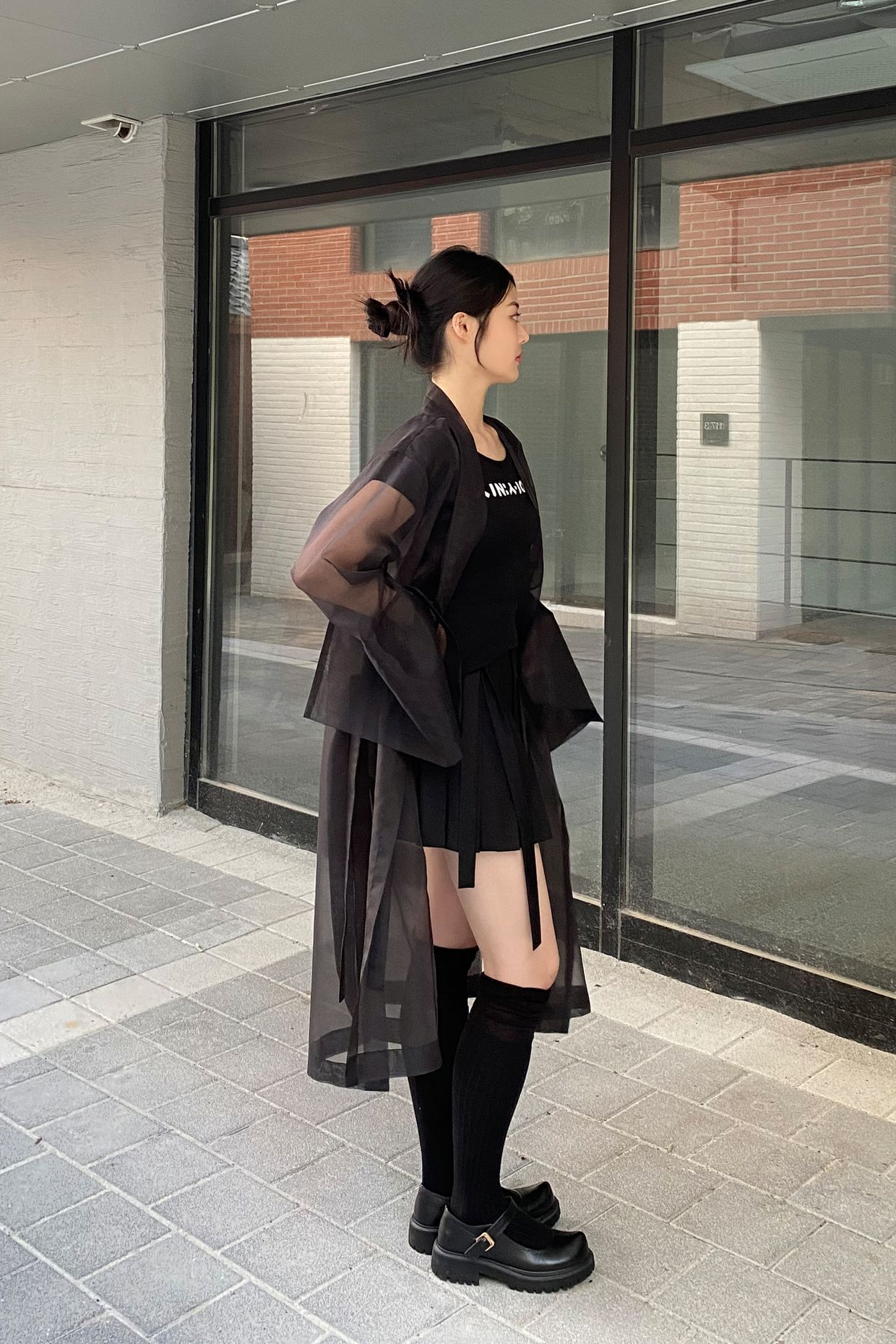
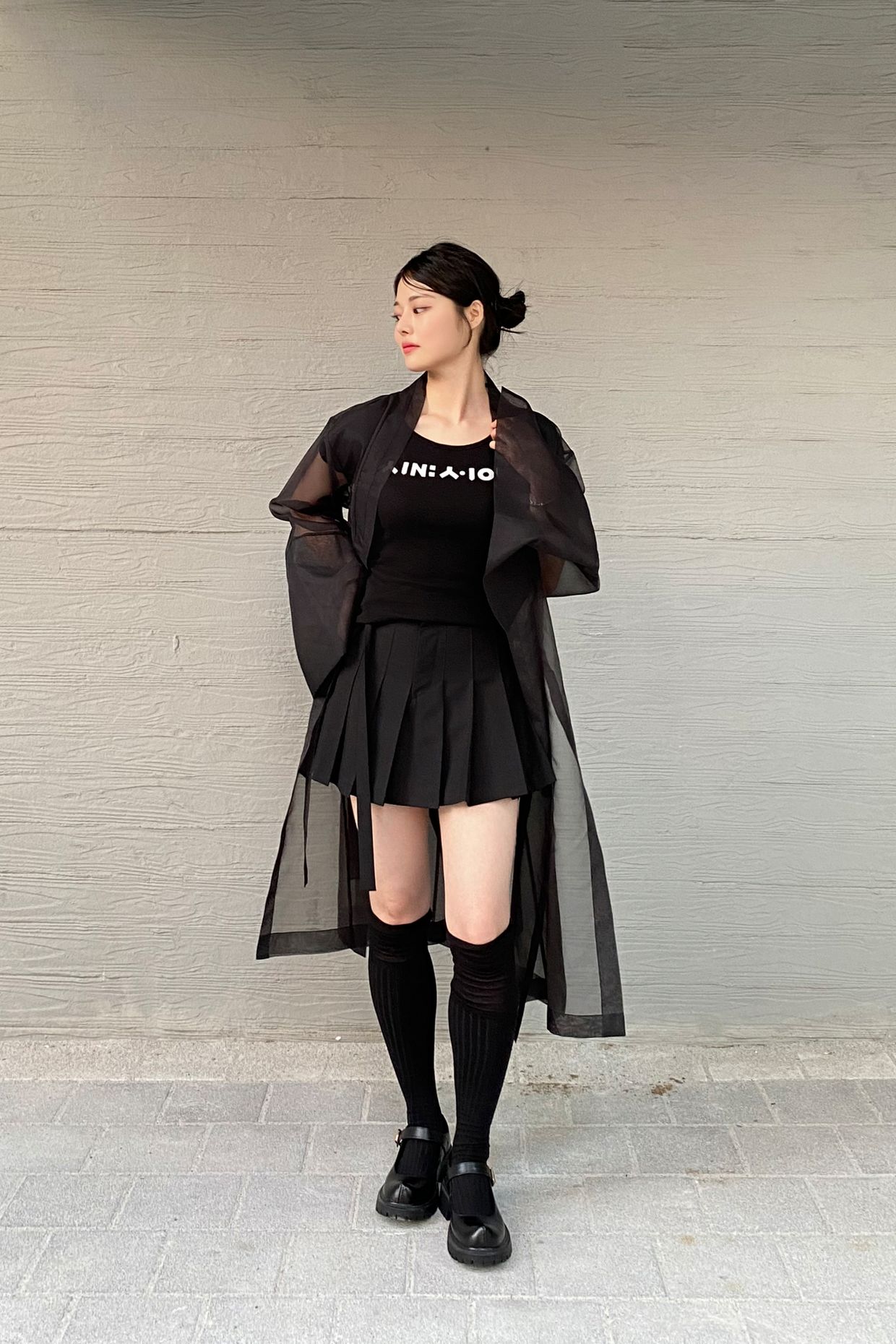
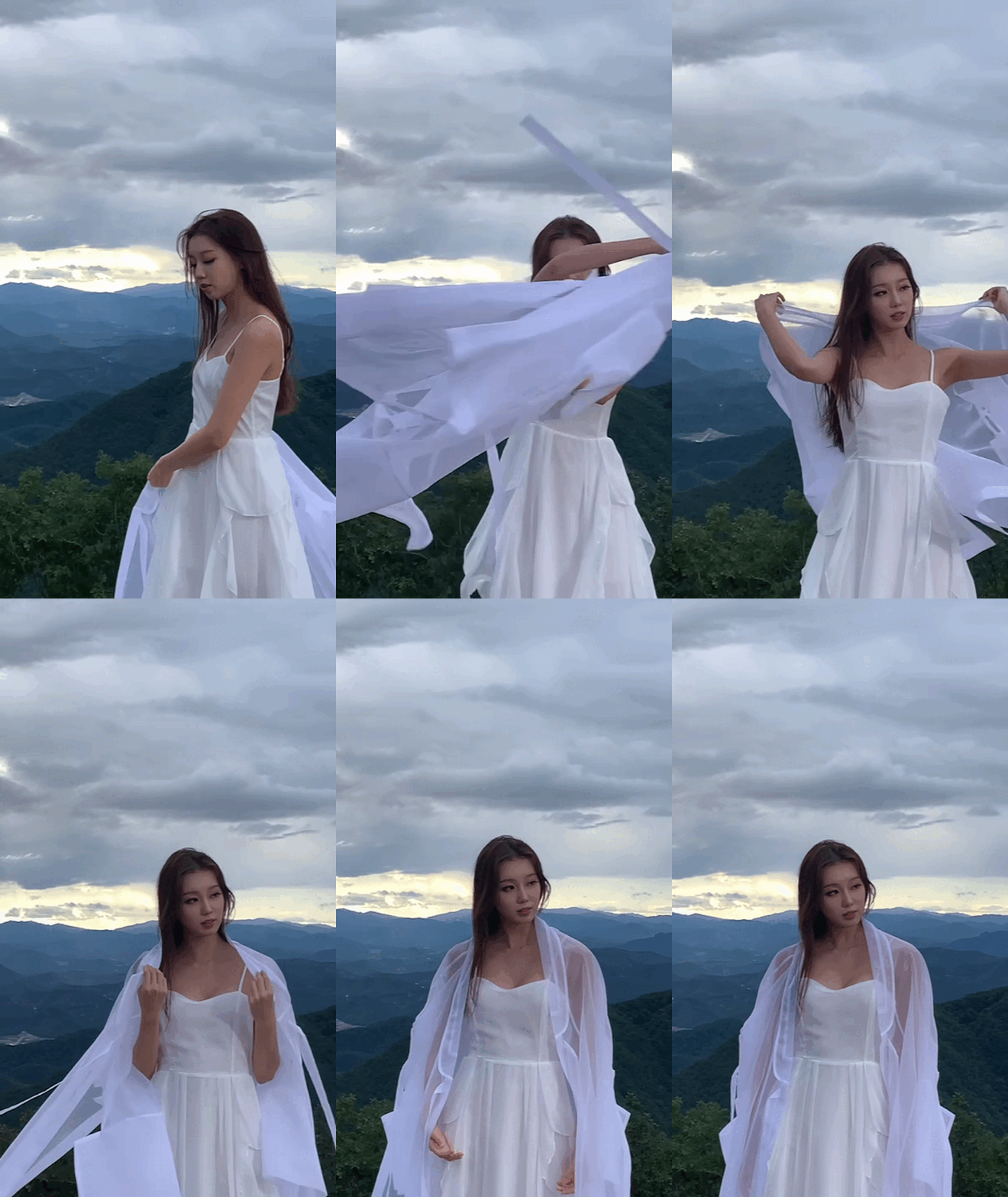
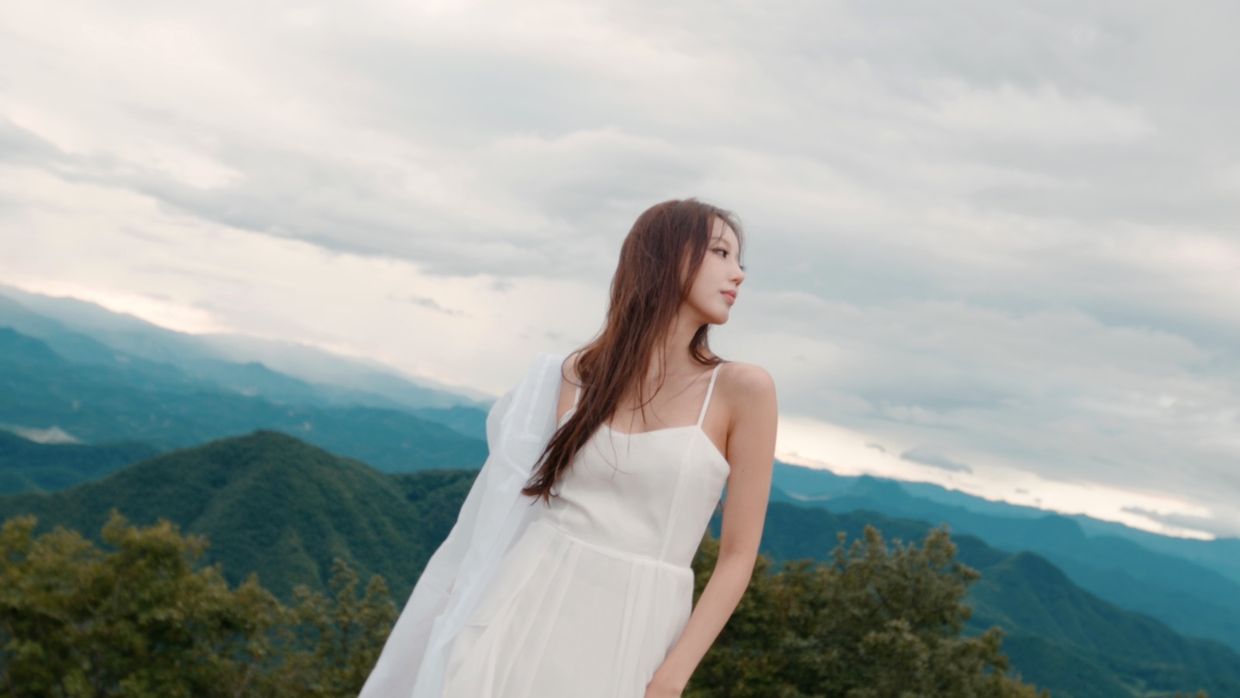
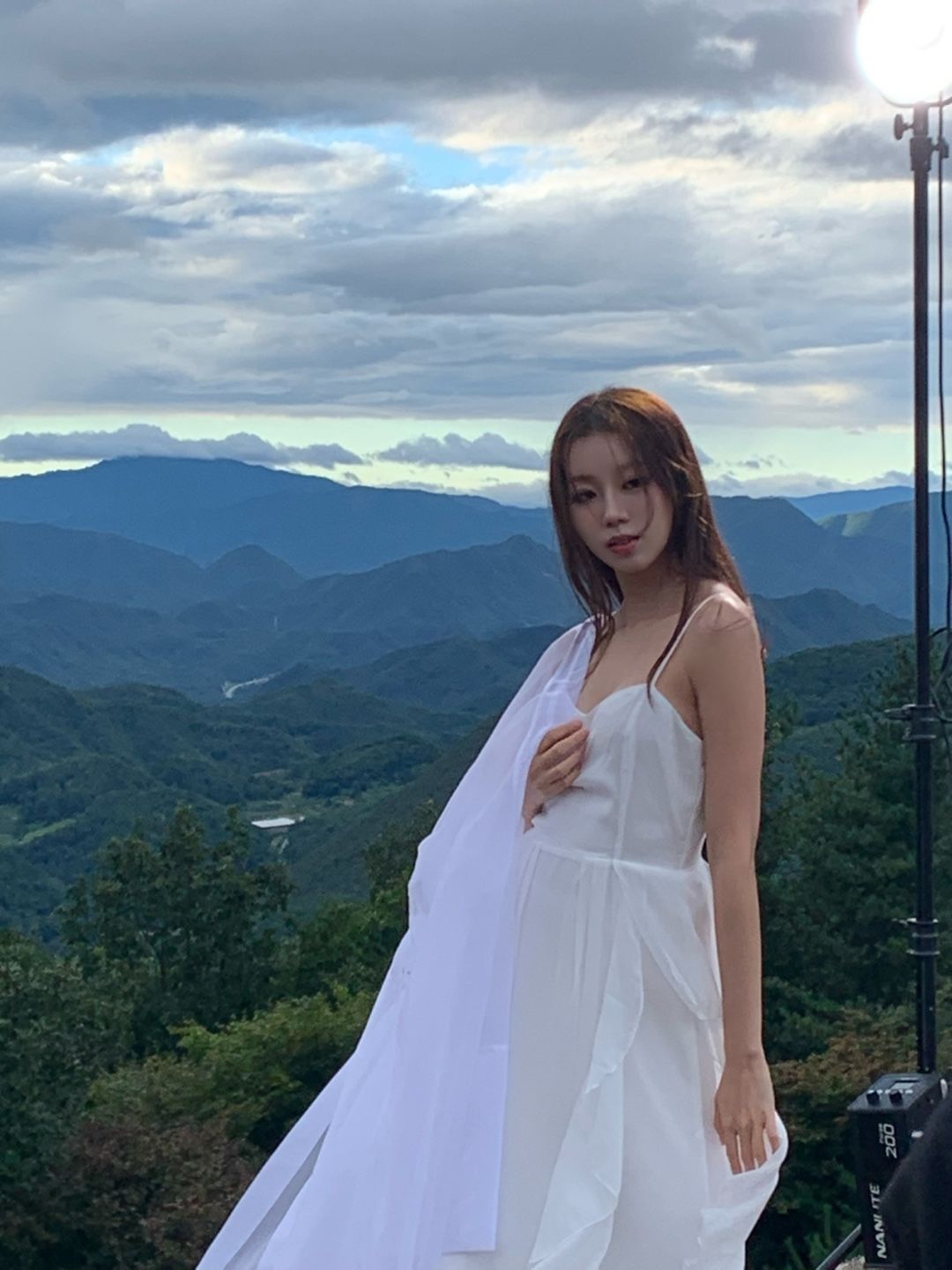
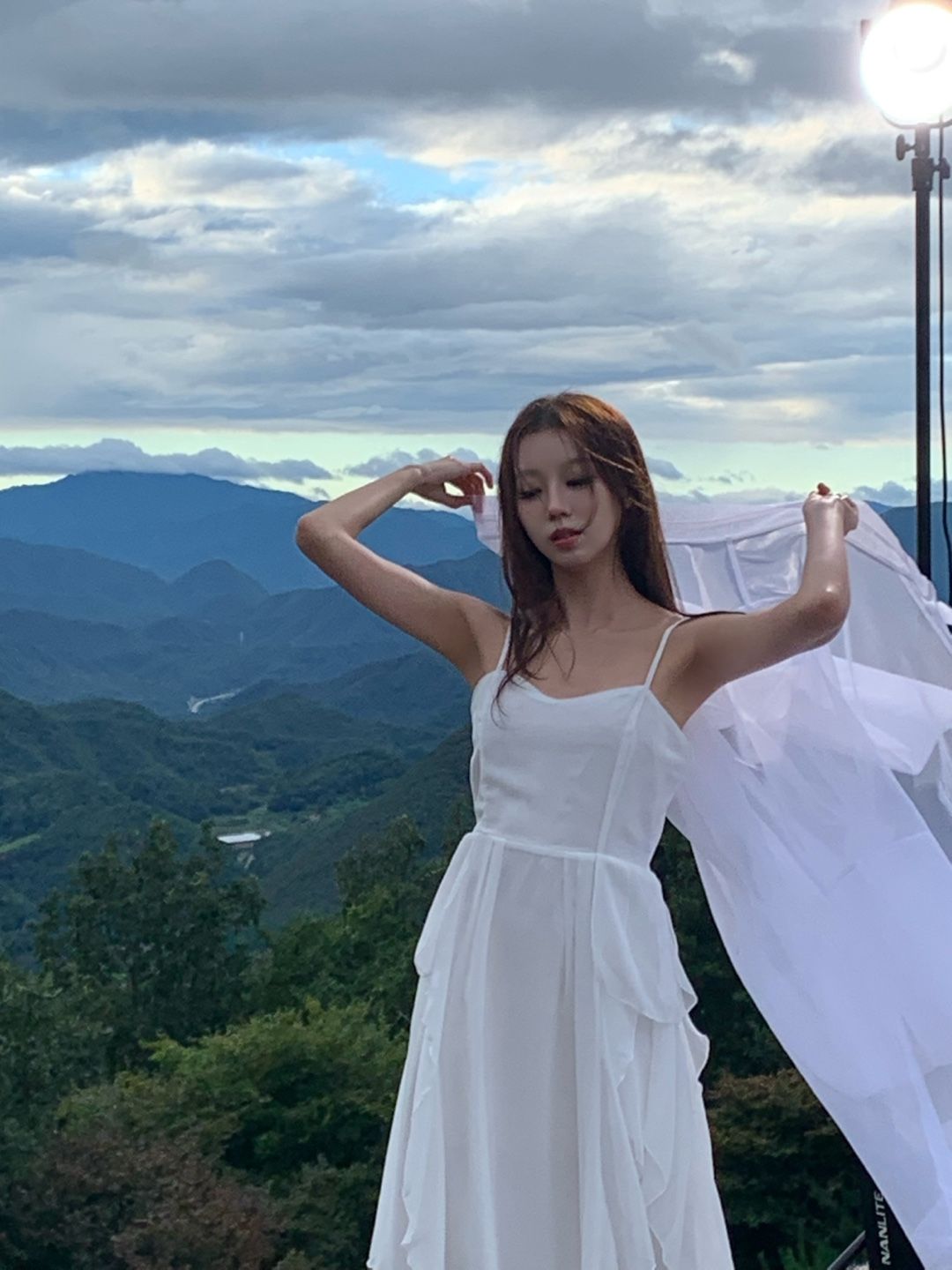
Shin:Seoul Organza Dopo Coat
WHITE
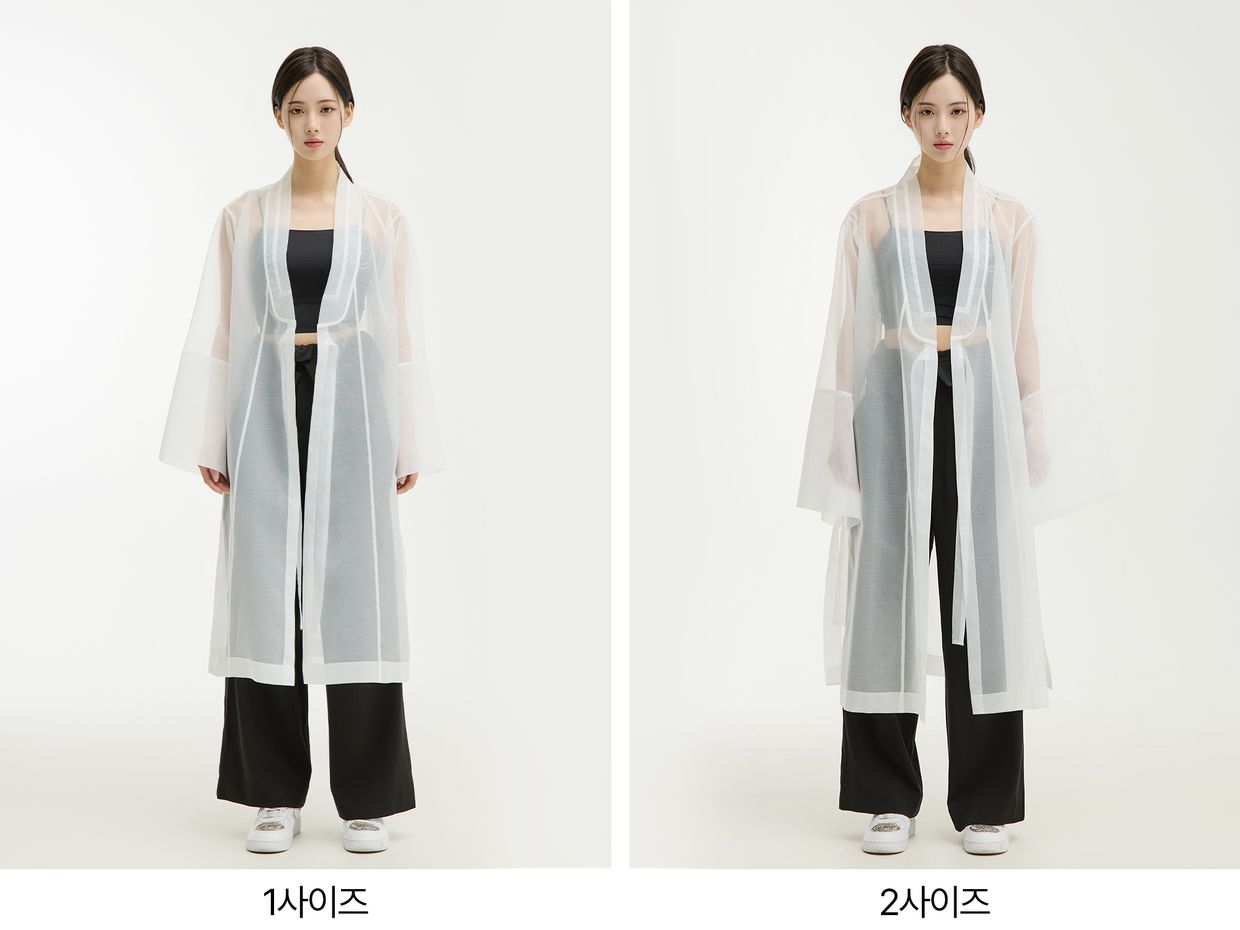
# Size 1
# Size 2
BLACK
# Size 2
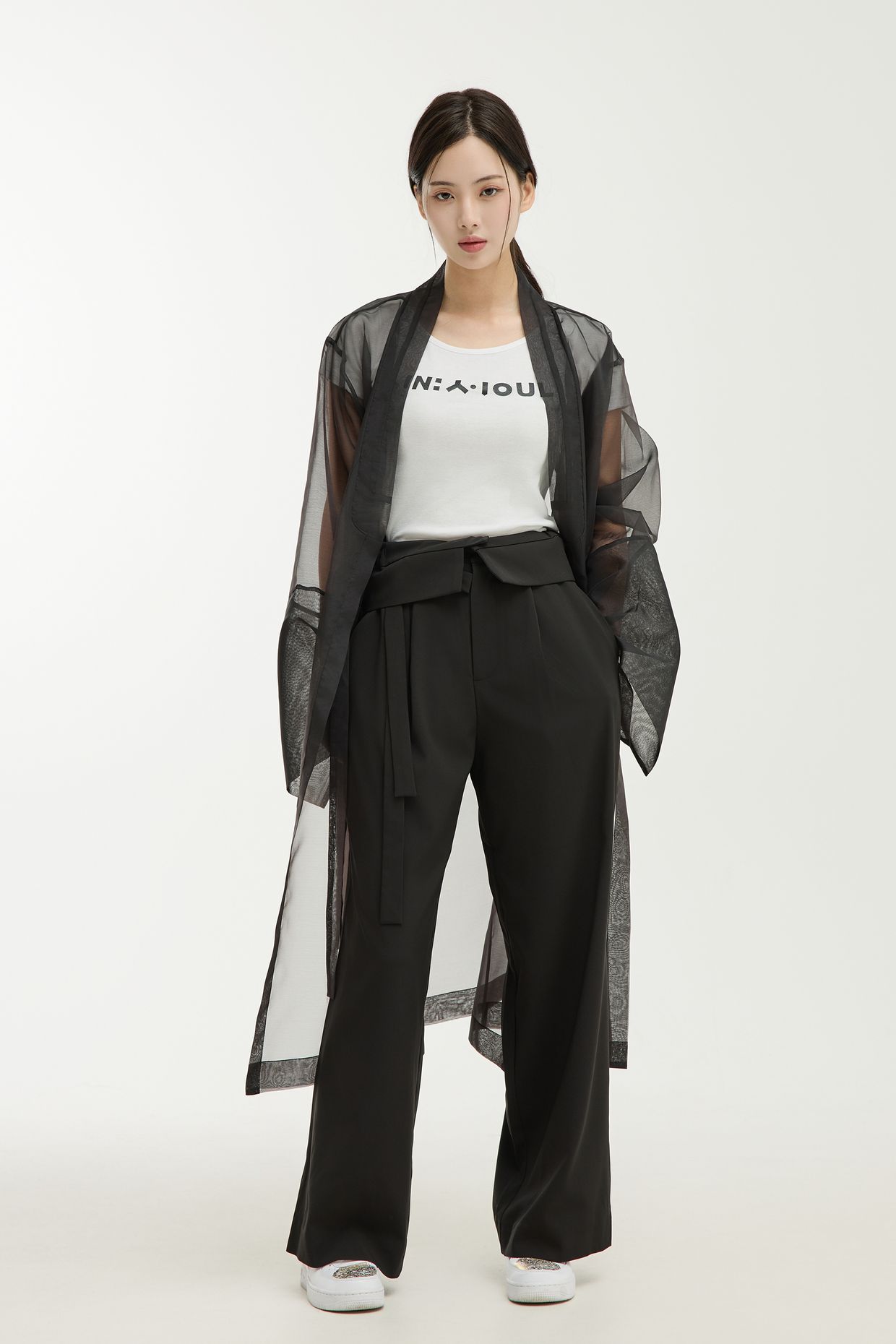
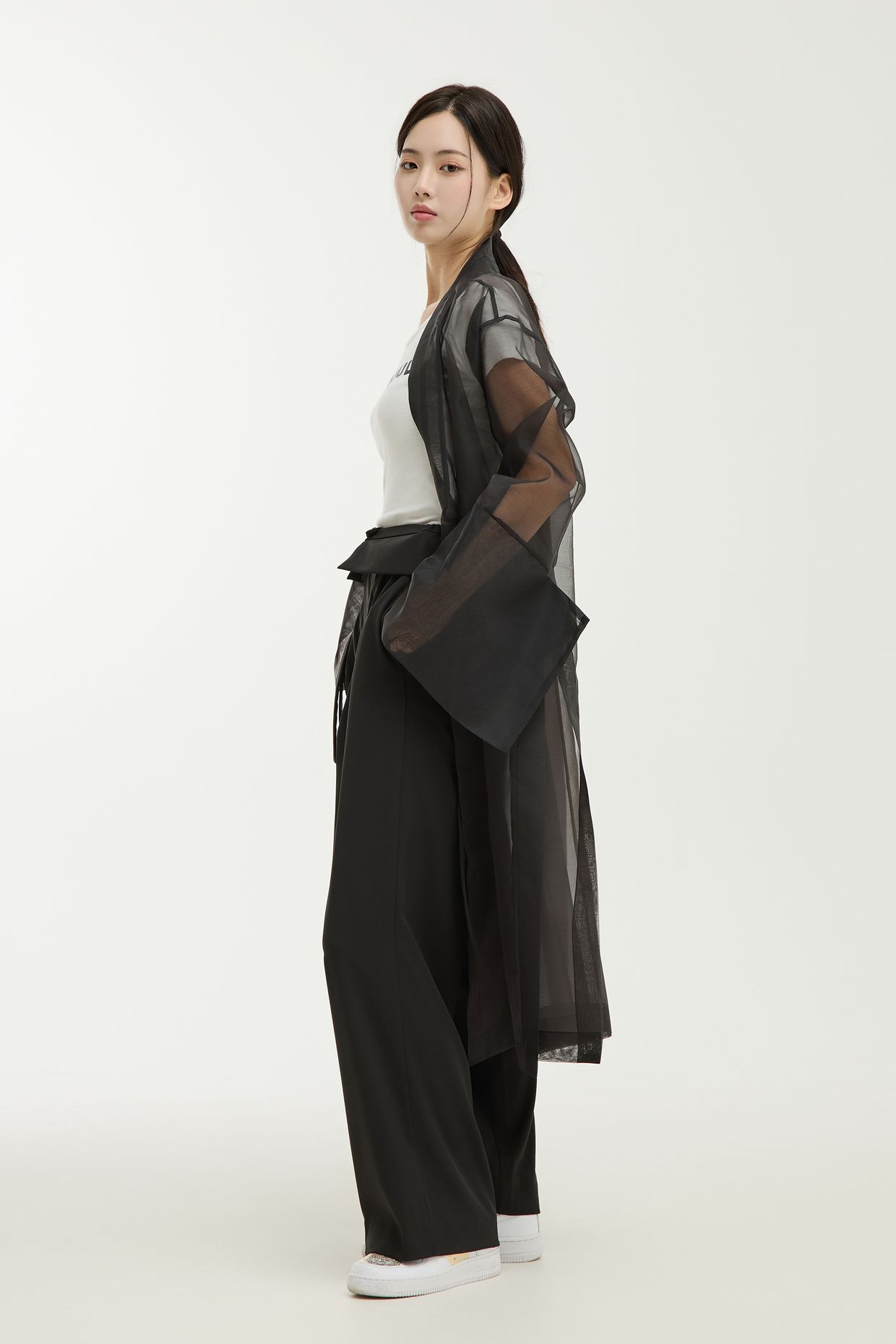
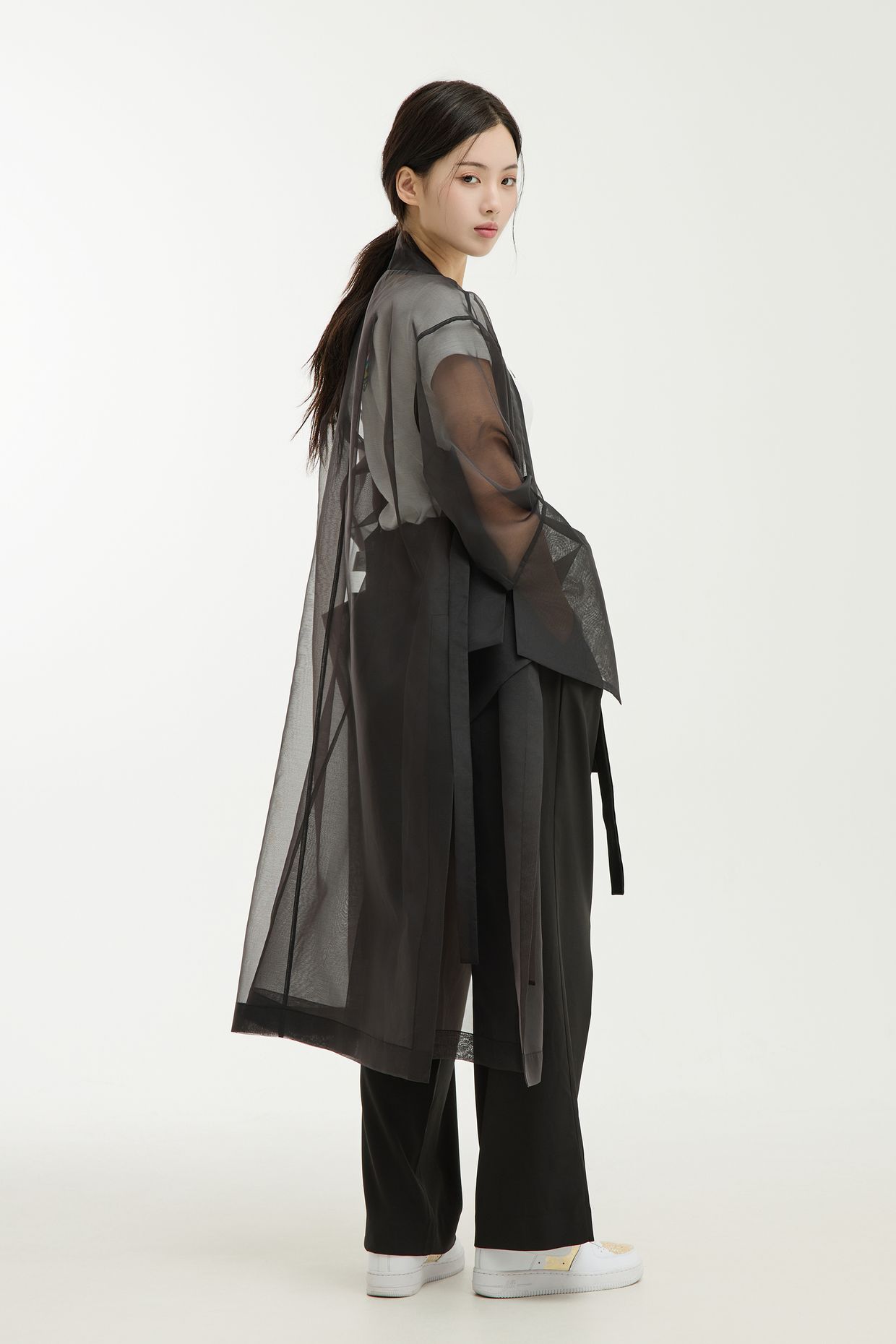
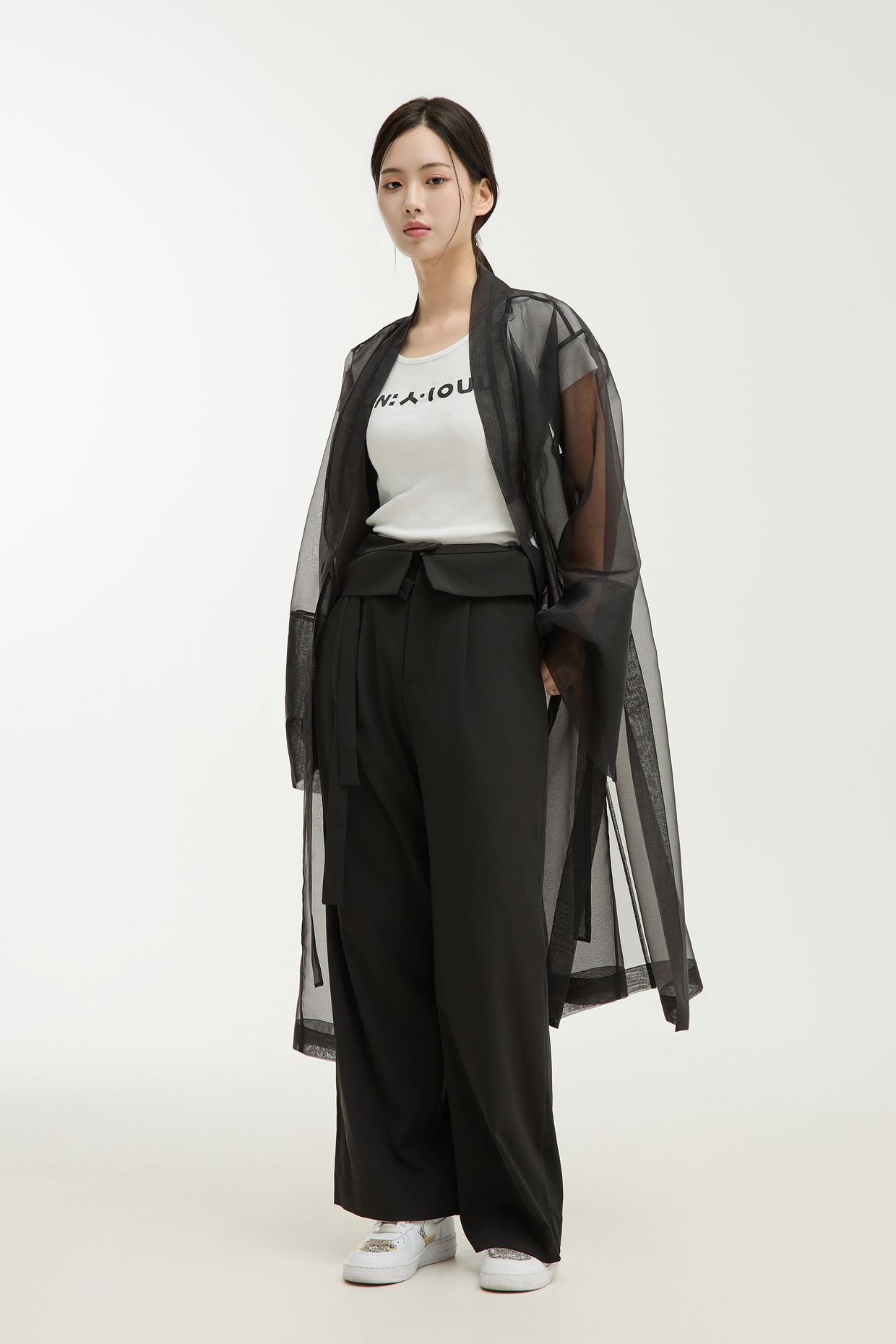
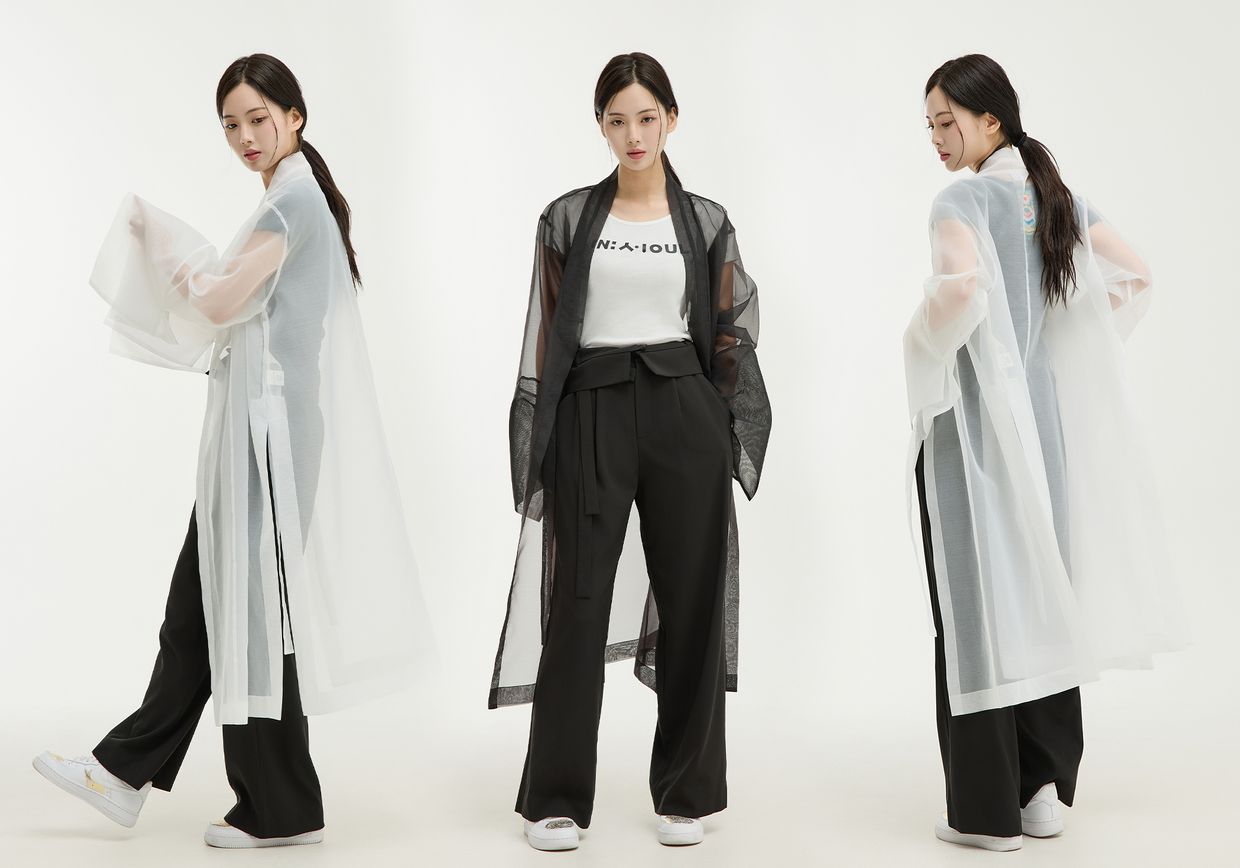
LOOKBOOK
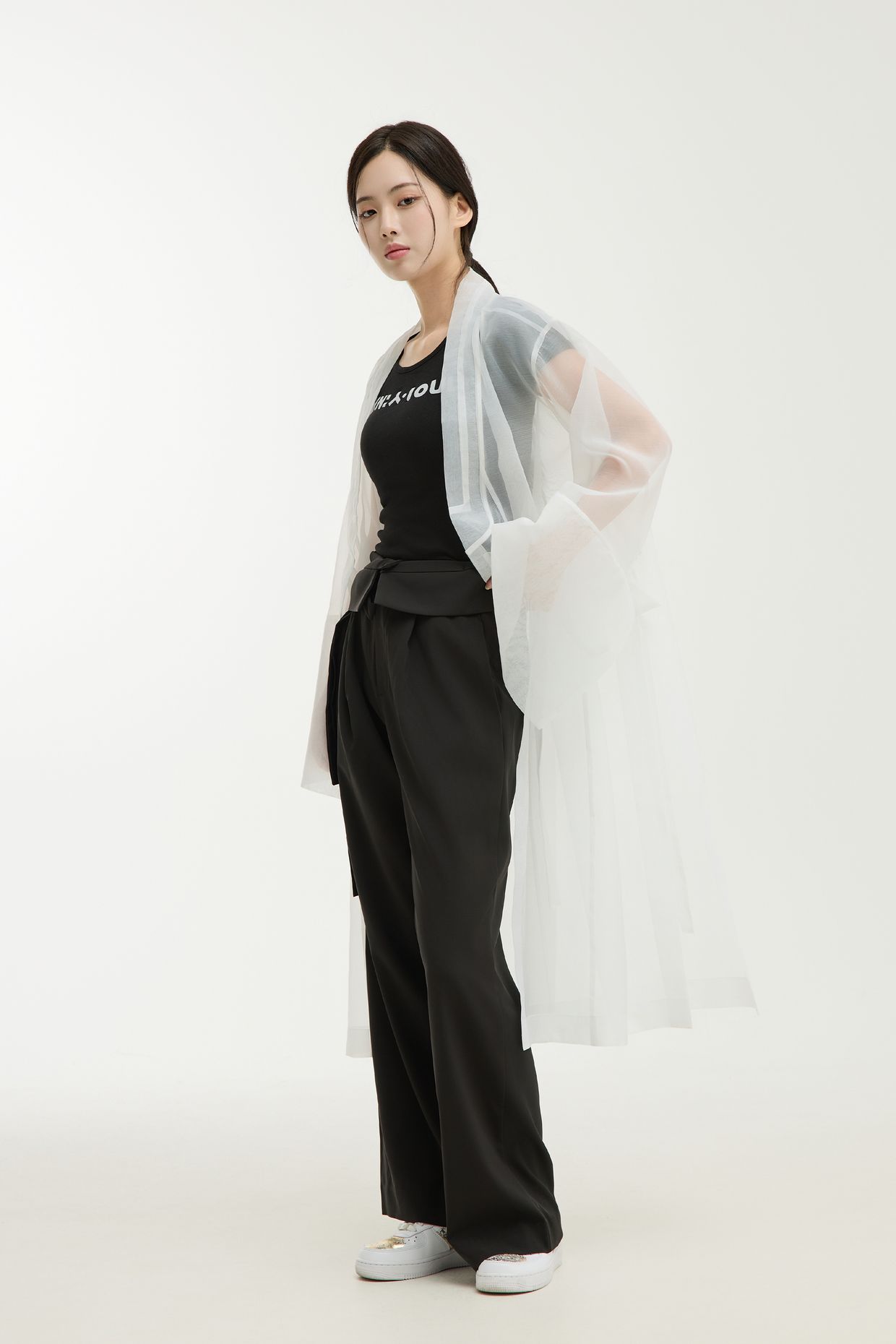
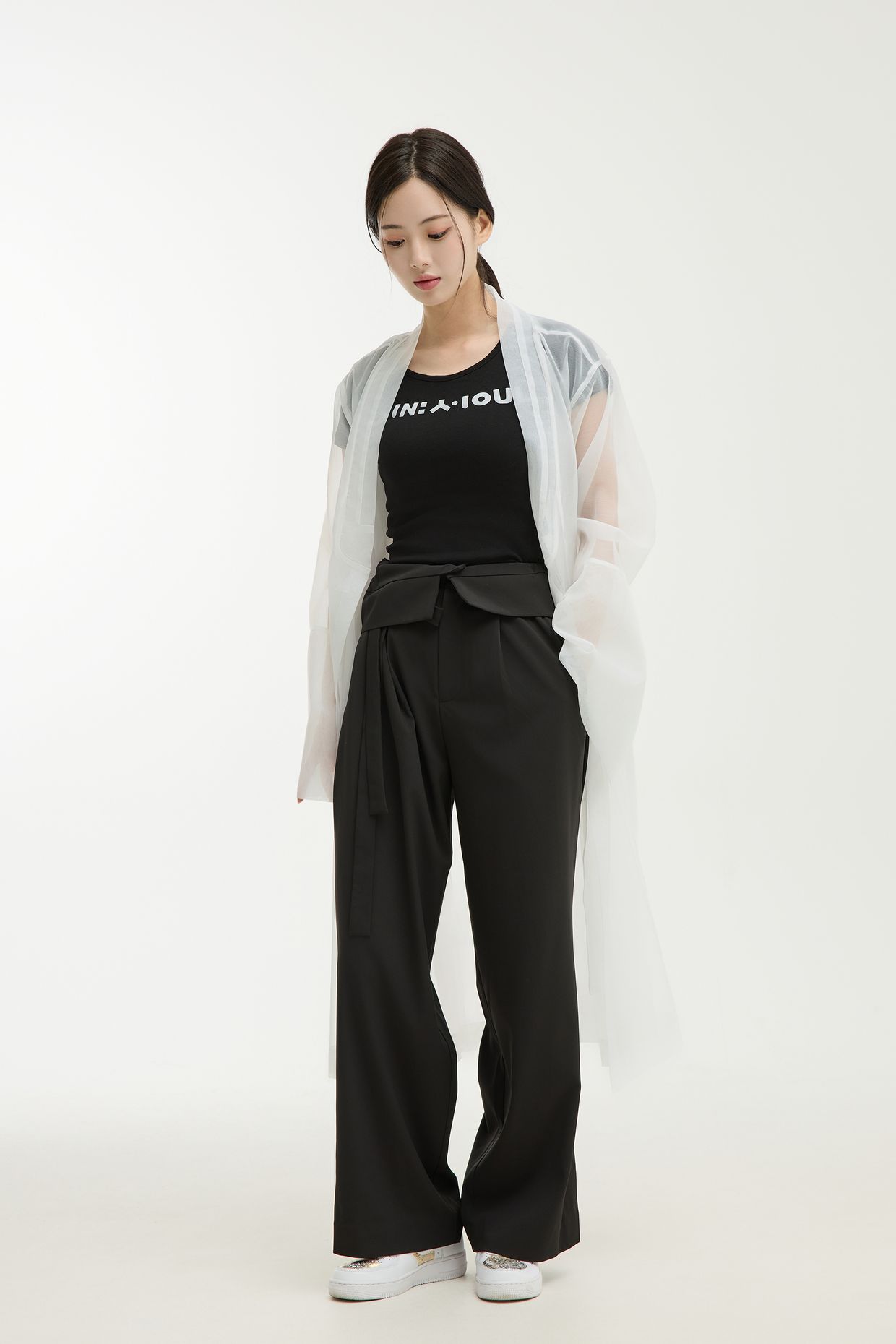
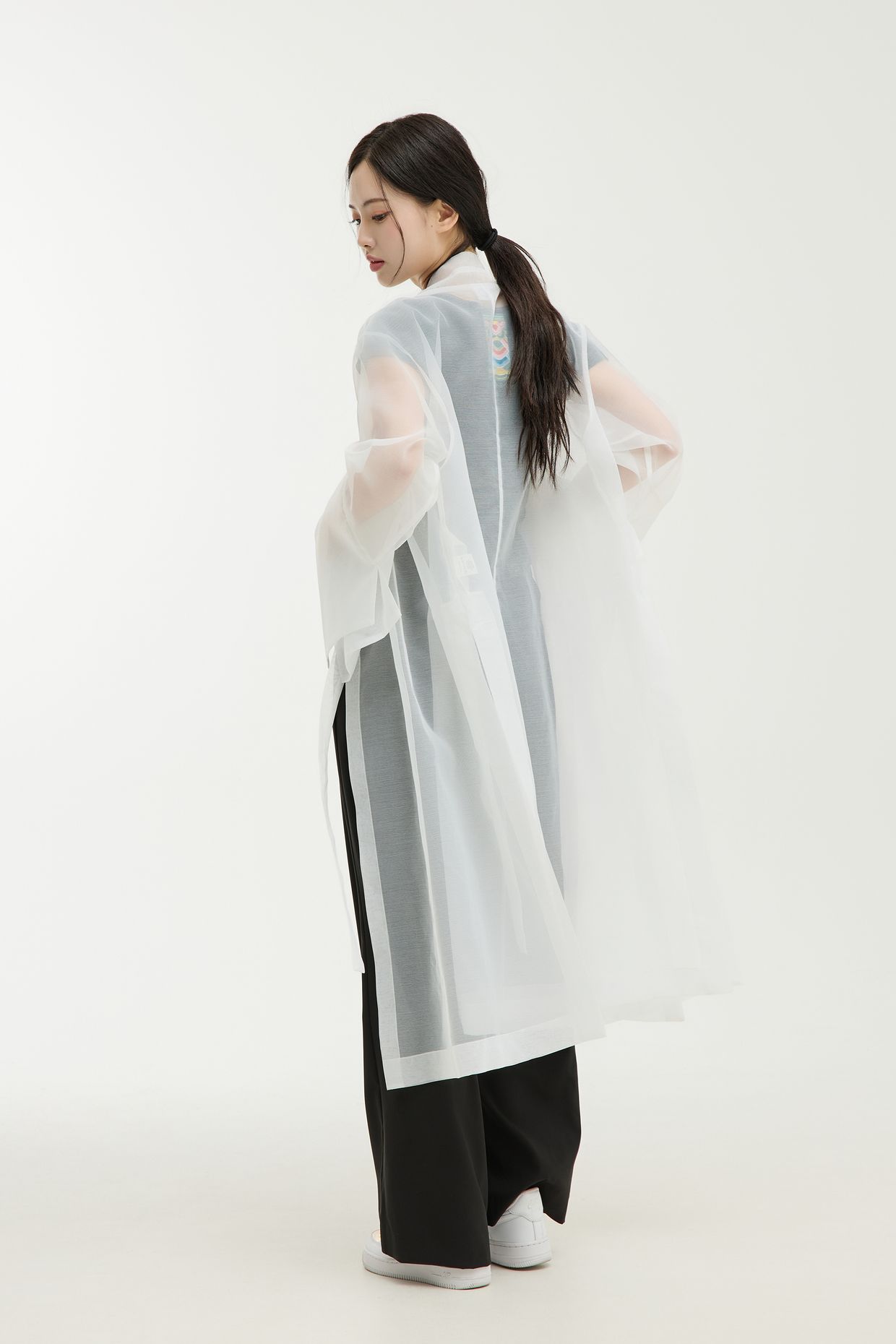
LOOKBOOK : OUTSIDE
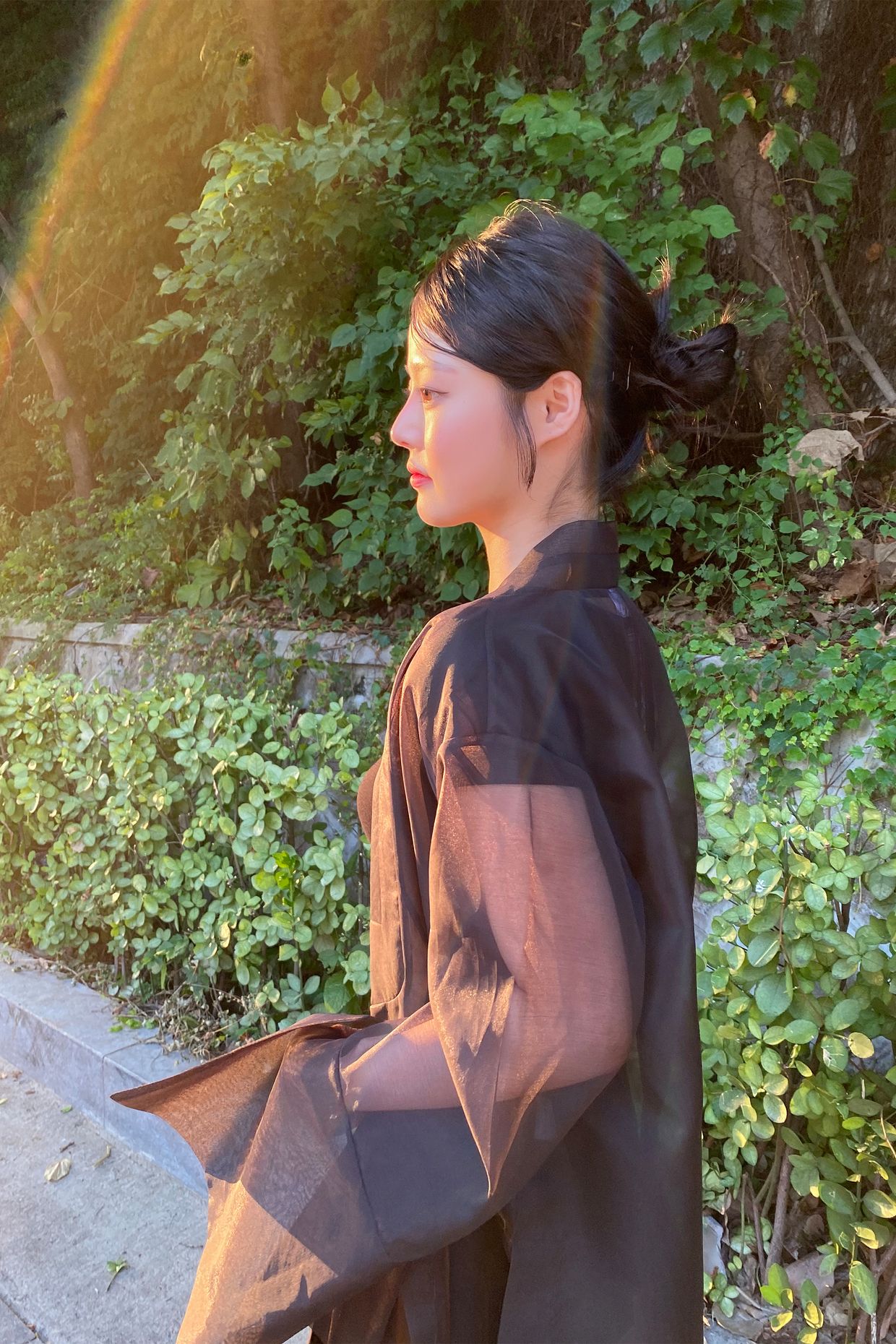


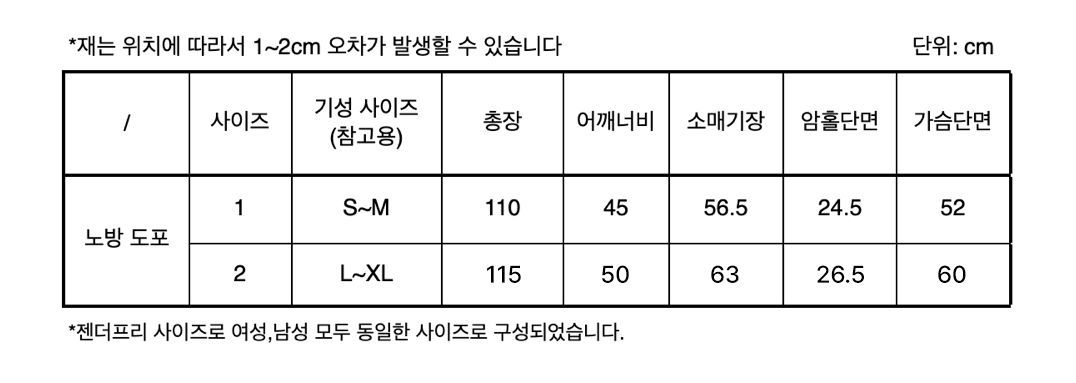
Detailed Size