 Namulane Inc.
![[Acidity 0.14%] Delicious single-variety olive oil from a 200-year-old farm in Spain.](https://ai-cdn.wadiz.kr/EN/studio/images/2025/08/12/15ca2efd-9ad2-4c6d-b5e6-f350db98fc69_en.jpg)


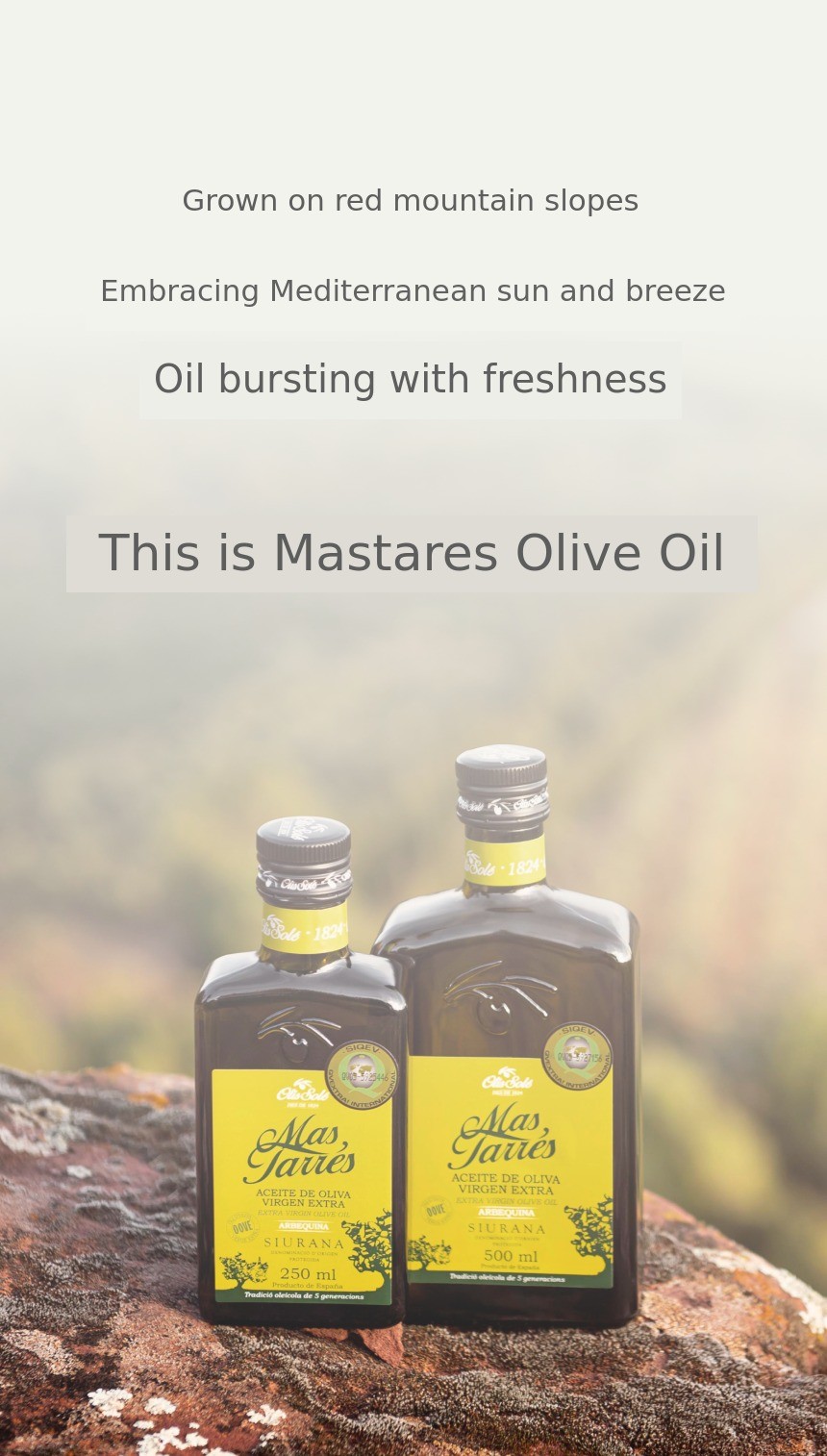
Olives grown under the Mediterranean sun and sea breeze.
Fresh and sweet Mas Tarrés olive oil.
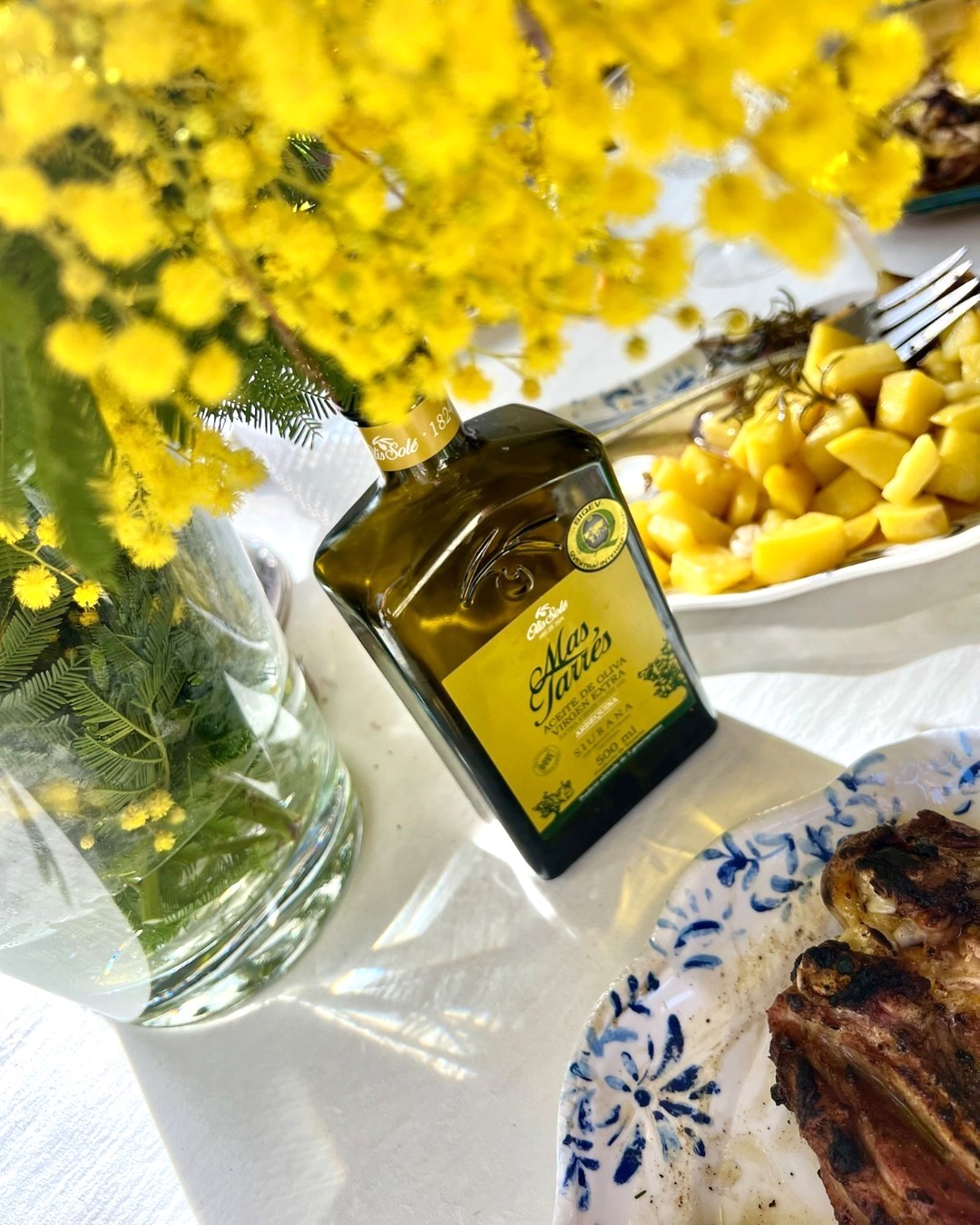
So delicious, it's Mas Tarrés!
Such delicious oil,
I hope more supporters get to taste it.
Hello, this is Namurain, the official importer of Mas Tarrés in Korea.
We are a 200-year-old family business based in Catalonia, Spain,Olis Solé producing
Mas Tarrés extra virgin olive oil and balsamic vinegar, which we introduce to Korea.
The very first place Mas Tarrés products were introduced in Korea is right here on Wadiz.
Thanks to supporters who recognized our quality products and have shown continuous love,
Wadiz is a very special place for us as well.
With the hope that more people can taste this delicious oil,
We would like to offer a limited quantity at a special price exclusively for Wadiz supporters.
The story of Mas Tarrés olive oil, which we ended up importing ourselves because it was so delicious—would you like to hear it?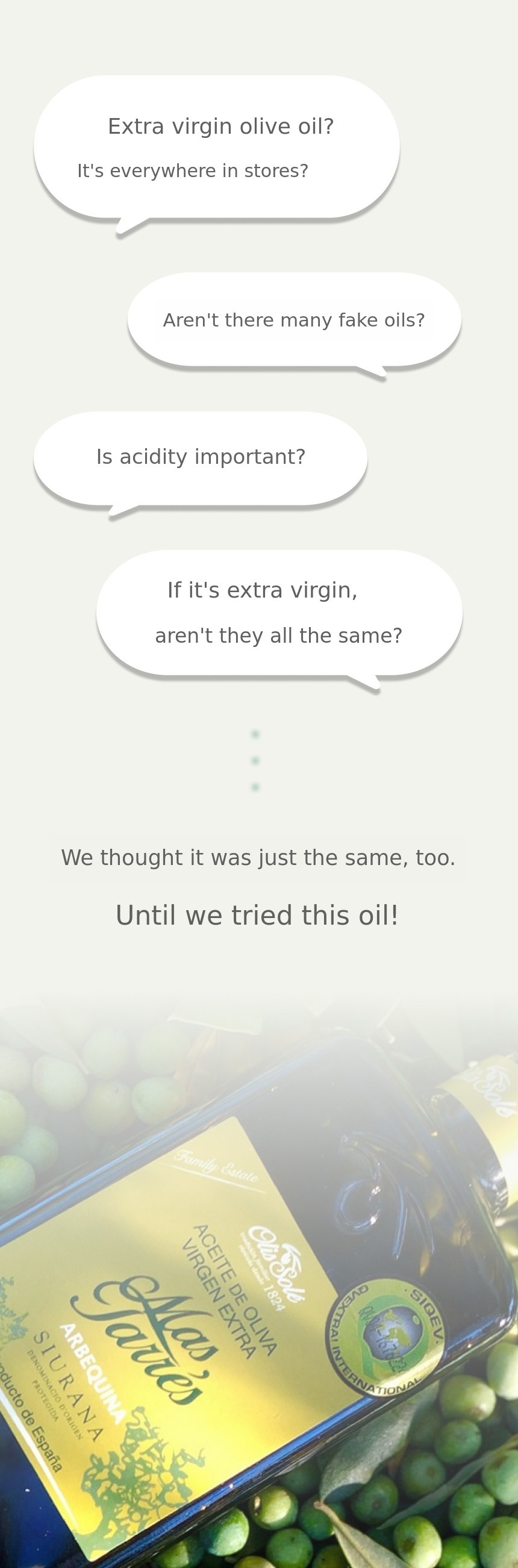

But olive oil,
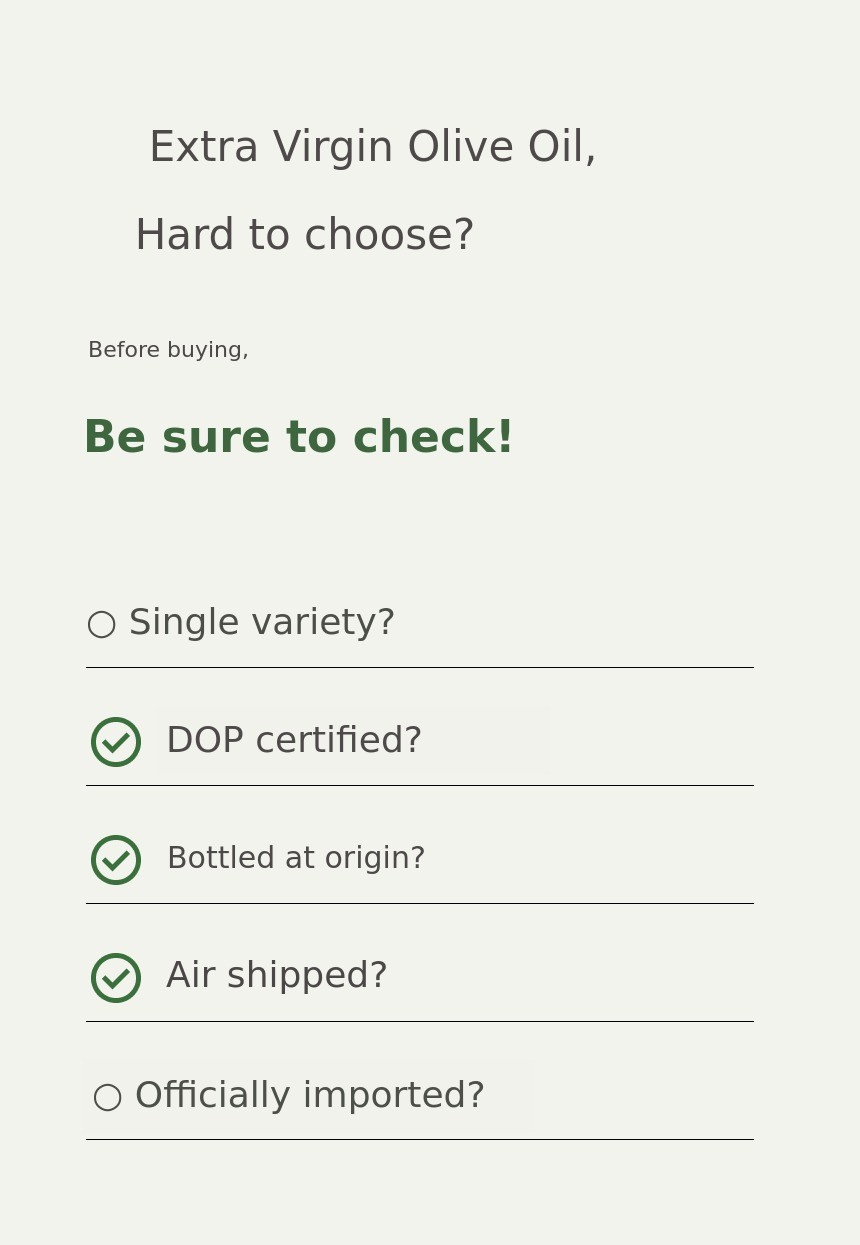
How should you choose it?
Oil is Since it is consumed frequently and accumulates in our bodies, it is important to choose even more carefully.
The most widely known standard for good olive oil isextra virgin grade.
The most representative criterion for identification isacidity of 0.8% or less.
Acidity refers to the “percentage of free fatty acids contained in the oil”,
and the lower this value, the less oxidation has occurred.
In other words, it is an indicator of whether the olives were harvested without damage and processed quickly.
However, this standard
was established by the International Olive Council (IOC)in 1991 and has not changed for over 30 years,,
so it does not fully reflect the quality level of today's advanced technology or premium product lines.
In fact, for most decent, properly madepremium extra virgin olive oil (Premium EVOO),
the acidity is maintained at a level of 0.2-0.3% or less This is generally the case.
Therefore, the IOC's 0.8% standard should be understood as a kind of 'quality threshold.'
In order to maintain a low acidity level, which is a key indicator of oil quality,
from harvesting the olives to pressing, bottling, and transporting them to Korea,
every step must be strictly controlled for exposure to light, heat, and air.
(This applies when storing it at home as well! 😉)
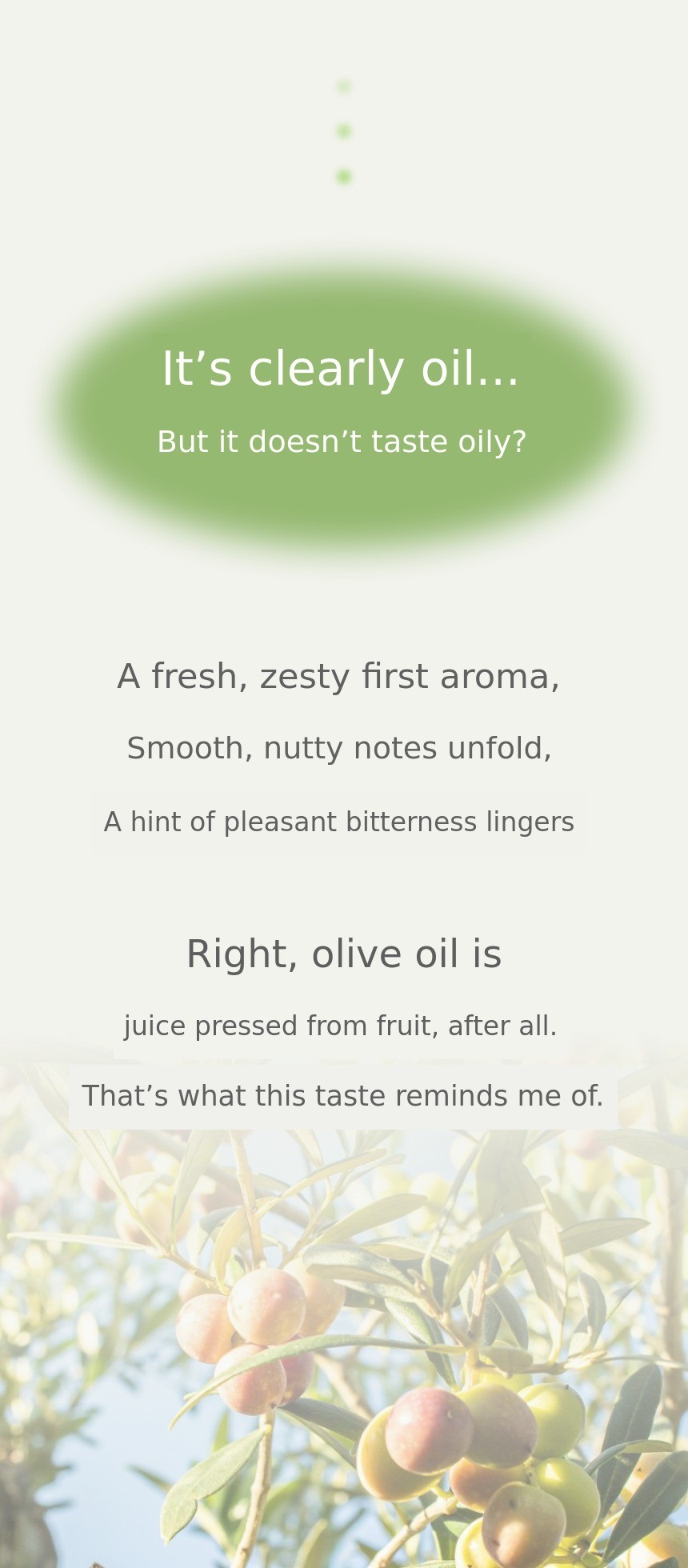
Olive oil is, after all, a 'juice' extracted from fruit.
Just as you would choose fresh fruit juice,
choose products that preserve the original taste and nutrition of the olive,
and are produced and transported in a way that minimizes rancidity.
Single variety Is it?
Like wine, like coffee, like whiskey...
Did you know that olive oil also has 'single estate, single variety' options?
Like wine, coffee, and whiskey,
olive oil is also categorized as 'single origin,' 'single estate,' and 'blended.'
Blended oil is
Grown in various regions and on different farms,
It is made by mixing various varieties of fruit (or already pressed juice).
In this process,
Ensuring flavor consistency, tracing origin, maintaining freshness, and quality control all become difficult.
Even if some premium oil is used, its unique character is easily lost,
And although it should never happen, low-quality juice may sometimes be mixed in.
On the other hand,Single Estate oil
Is made by harvesting only one variety grown on a single farm,
With the farm itself responsible for pressing and bottling the oil.
Since the taste cannot be masked by blending,
From climate and soil, to altitude and wind, to the timing of the harvest...
The unique character of the farm is fully revealed in every drop of oil.
That is why every small detail must be meticulously managed without exception.
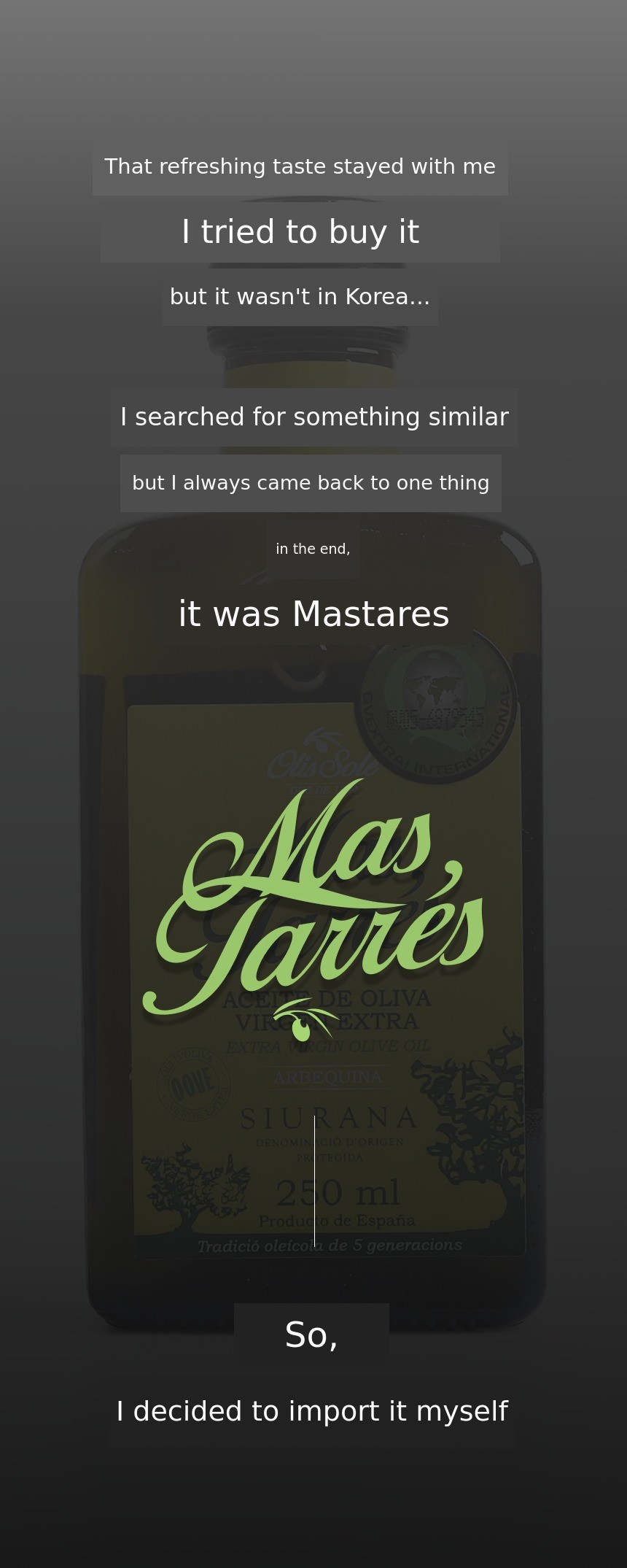
Mastares Olive Oil is exactly that kind of oil.
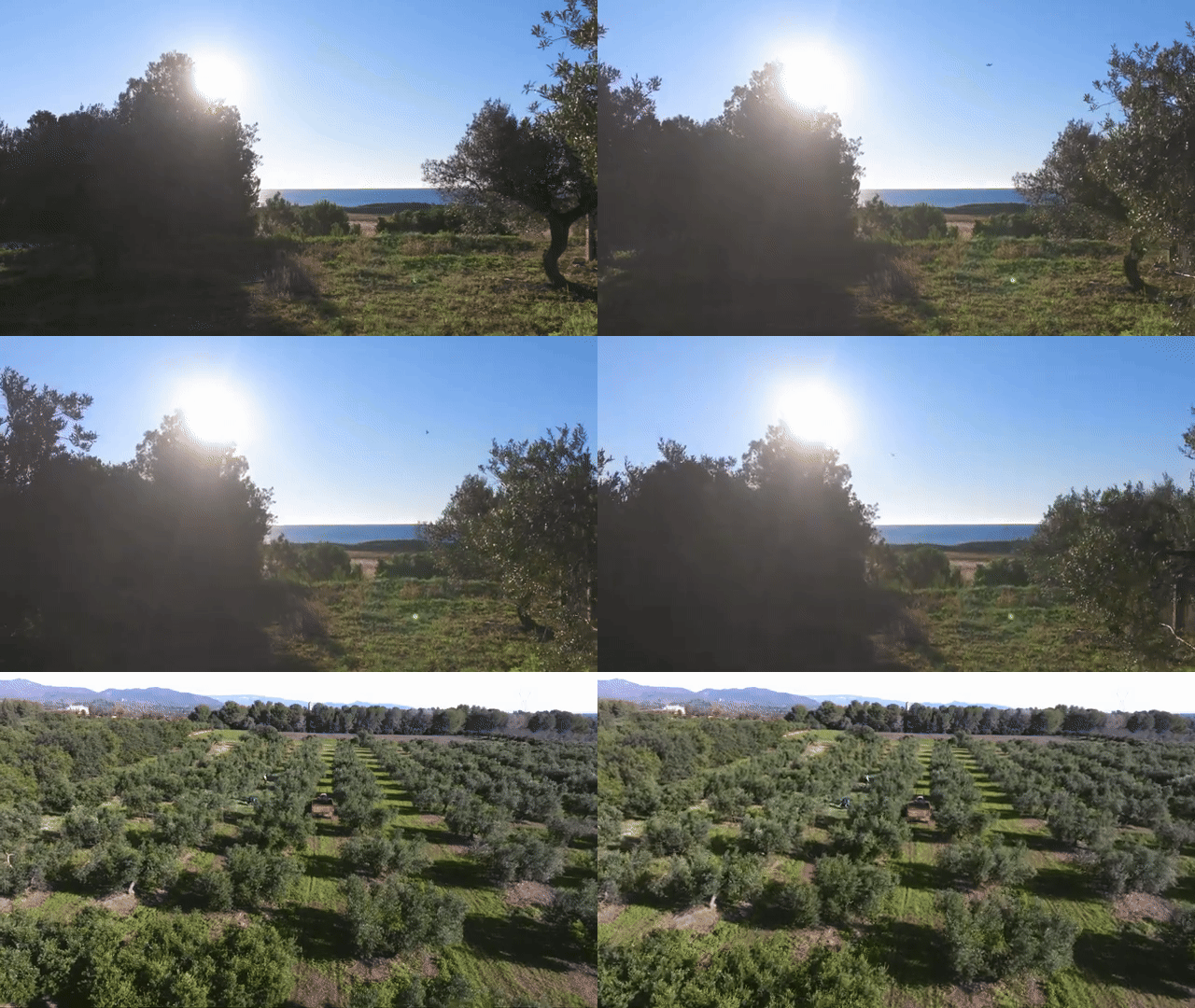
Where the Mediterranean sea breeze embraces the red earth,
In the hillside village of Mont-roig, Catalonia, Spain.
Here, the Solé family, who have cared for the same land and trees for 200 years,
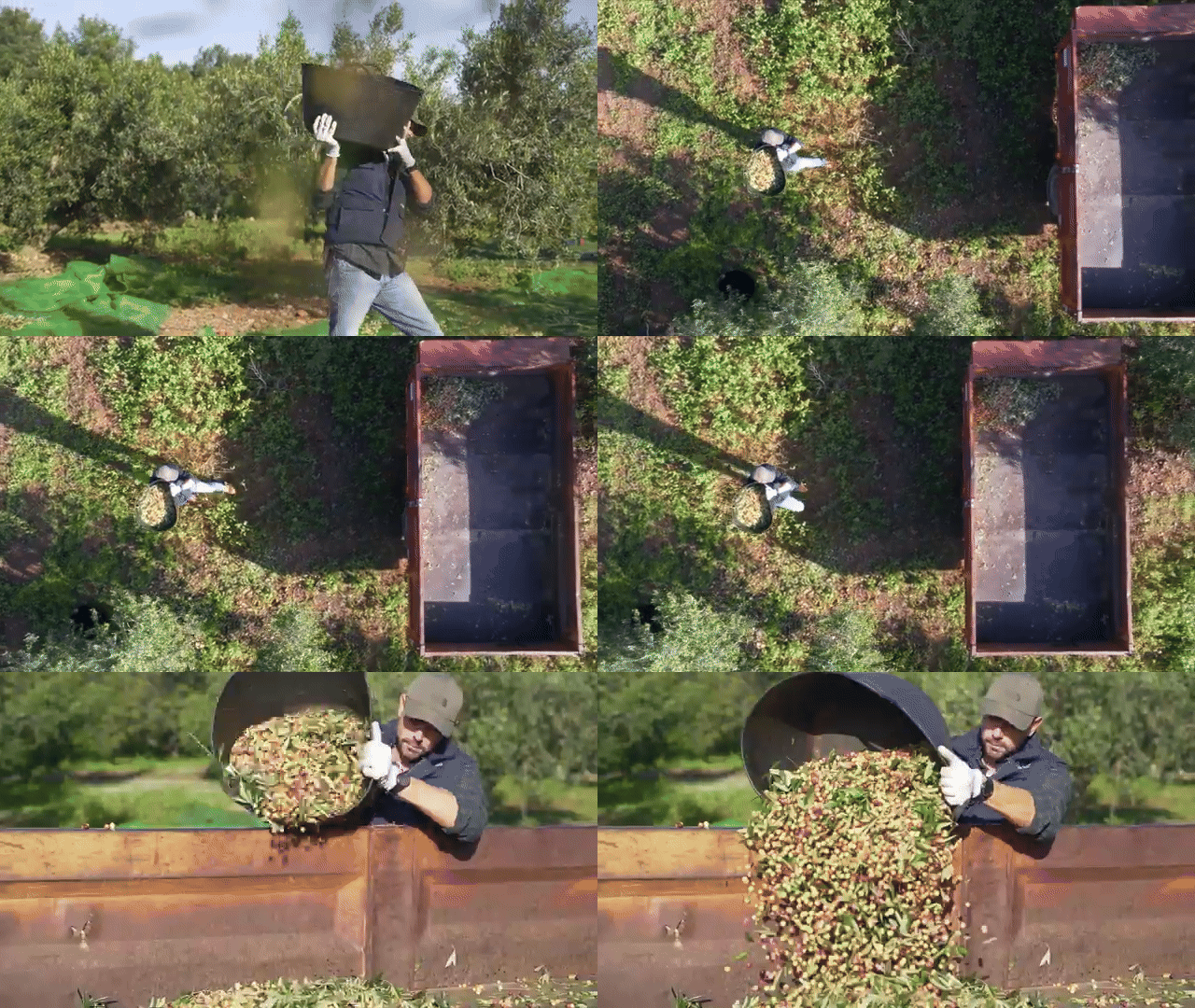
Harvests only the Arbequina olives they grow themselves.
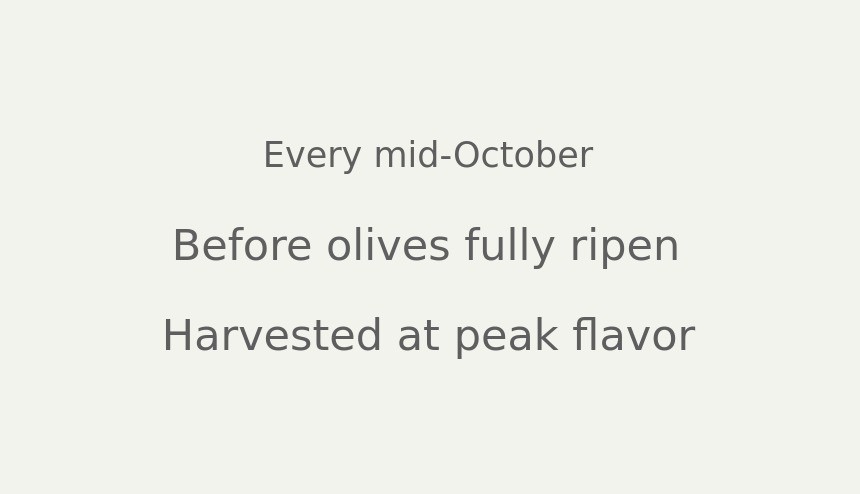
Every early autumn, we harvest early before ripening (early harvest).
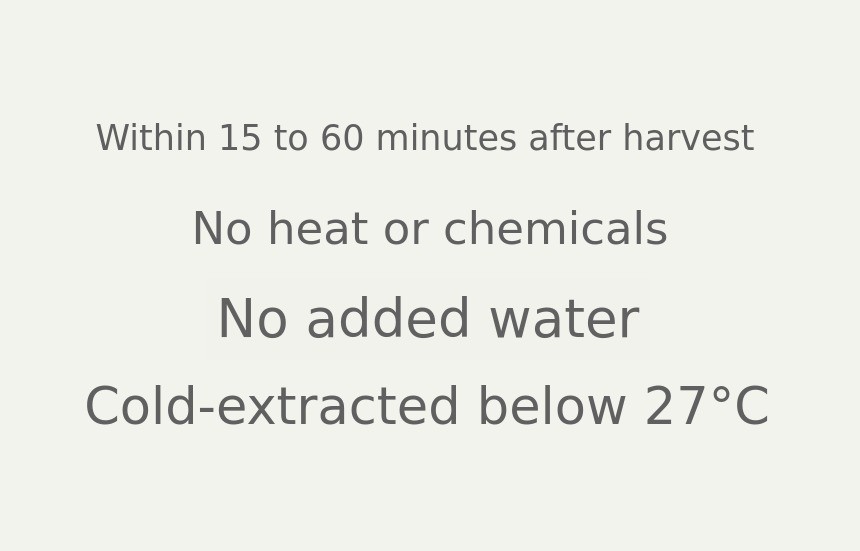
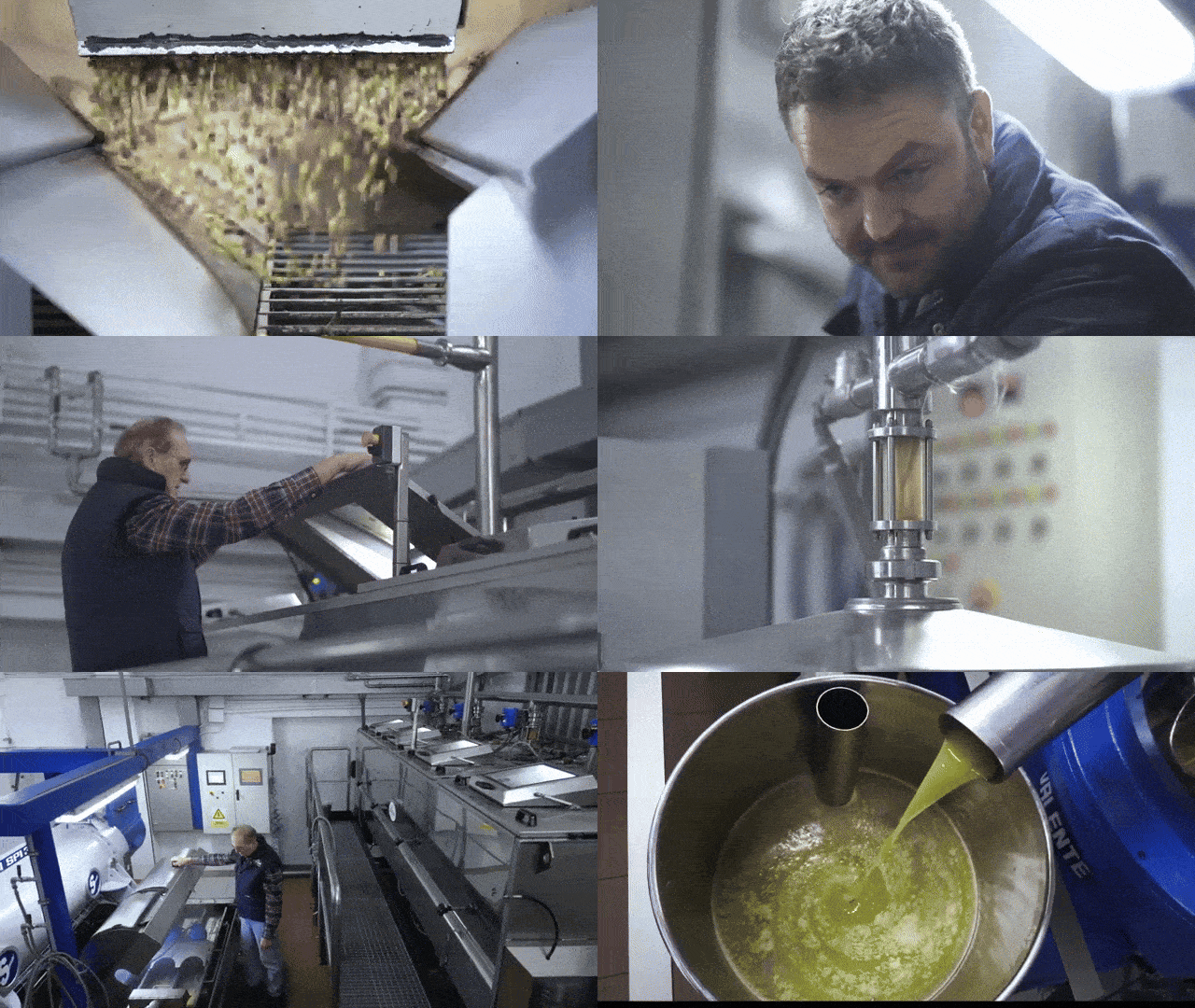
Within 15 minutes, up to 1 hour after harvest, we cold-extract and bottle the oil.
We personally oversee the entire oil production process, putting our family name on the line.
Acidity below 0.3.
Made on the same land in the same way every year,
But depending on that year's sunlight, wind, moisture, and temperature,
There are subtle differences in aroma and flavor.
The memory left by that land in that year,
This is 'terroir.'
Just like this,
We call oil that most clearly preserves the character of the farm,
Single estate oil, or 'oil with terroir.'
Choose olive oil as you would choose wine.
Mastares Olive Oil is
Oil for which you can clearly know Who grew and pressed it, when, where, and how,
And oil whose origin is certain,
And that changes slightly every year,
Allowing you to enjoy the unique character of the land.

DOP certified Is it a product?
The real thing must be provable.
In a market flooded with fake oil,
DOP certification is a standard that consumers can trust and choose.
It is the most reliable standard.
A significant number of products distributed in the market
fall short of quality standards or contain ingredients different from the label,accord ing to statistics.
Olive oil is one of the foods with a chronic counterfeit problem.
Low-quality raw oil is mixed,
and it is common to label completely different vegetable oils as 'extra virgin.'
If you consume such unidentified oils for a long time,
it not only causes financial loss but also poses health risks from consistently consuming rancid fats.
The more often you eat oil, the more carefully you should choose it.
So, how can you distinguish 'real' oil?
The most certain way isto check for objective proof.
Mastares Olive Oil is an EU officially certified DOP product.
DOP (Denominació d'Origen Protegida) is
not simply a certification that states 'where it was produced.'
It verifies whether the olives were cultivated in the designated region,
and whether all processes from harvesting, pressing, to bottling were carried out according to traditional methods.
The Spanish government agencies and the local origin committee strictly review this every year.
The committee continuously monitors the quality,
and if the standards are not met, the certification is revoked and the use of the DOP mark is immediately prohibited.
In other words,oils with untraceable production history or unclear production processes
cannot receive DOP certification in the first place.
Especially in the case of Mastares,the Siurana region DOP for example,
each product shipped is labeled with a DOP certification number by lot.
Through this number, the production history of the batch can be transparently traced.
In addition, Mastares
is a member of an international association established to improve the quality of extra virgin olive oil,
and has been awarded by QvExtra! Internationalthe SIQEV certification. Is also held.
SIQEV certification is given only to extra virgin olive oils that
have been verified for best practices throughout the entire production process,
and have passed both chemical quality standards and sensory evaluations.
"Very high-quality(very high-quality)" products.
Even after certification, random sample inspections are conducted frequently, and certification is revoked if standards are not met.
Mastares Olive Oil, which has both DOP and SIQEV certifications,
is a trustworthy oil with both 'origin' and 'quality' guaranteed.
As important as production,is proper transportation as well. Is this a product that has been handled properly?
Oil produced with strict standards,
must be strictly managed even during the process of coming to Korea,
so that it can truly shine on our dining tables.
Olives begin to oxidize immediately after harvest.
Therefore, the best way to import olive oil is to
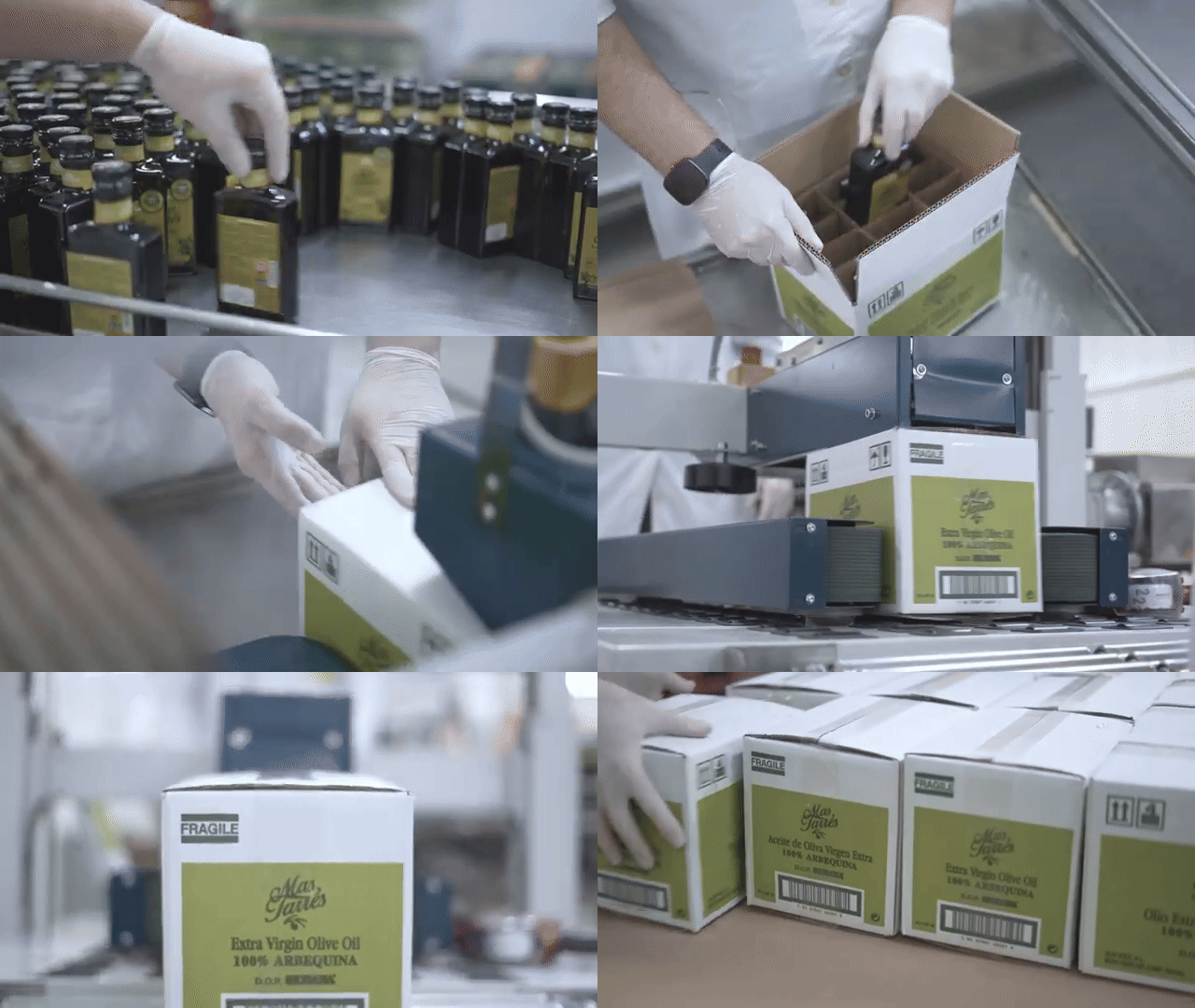
press it as quickly as possible at the place of origin, and immediately bottle it in dark glass bottles, completing the process.
This method minimizes oxidation and completely blocks the possibility of mixing with low-quality raw oil.
In the case of some brands, only the raw oil is extracted at the place of origin and then exported in bulk.
They sometimes use a method where the oil is divided and bottled in the final consumer country.
Although this reduces costs, exposure to air inevitably increases.
As a result, the freshness of the oil actually consumed by the customer is inevitably lower than the acidity indicated on the documents.
Olis Sole, the producer of Mastares,does not export in bulk.
They directly manage the entire process from harvesting to pressing and bottling at local farms in Spain,
and export only the finished products that have been bottled in Spain.
Because this oil is made under the family name for over 200 years,
not only the quality but even the smallest label,
every aspect of the product delivered to the final consumer,
reflects their philosophy of wanting to take direct responsibility.
This oil, made with such care,
is shipped to Korea in the freshest possible condition.
At the official importer, Namurain,all products are transported by air,
which takes less time than shipping by sea.
Because there is less risk of exposure to high temperatures and direct sunlight.
In addition, all productsundergo import inspection and official customs clearance by the Ministry of Food and Drug Safety before being sold.
Since it is oil that is consumed frequently and accumulates in the body,
you should consider not only 'where it was pressed'
but also 'where and how it was bottled and imported.'
Where and how it was made. Through what route it entered Korea.
Mastares is a product that can transparently disclose its entire history.
Reward Configuration Guide

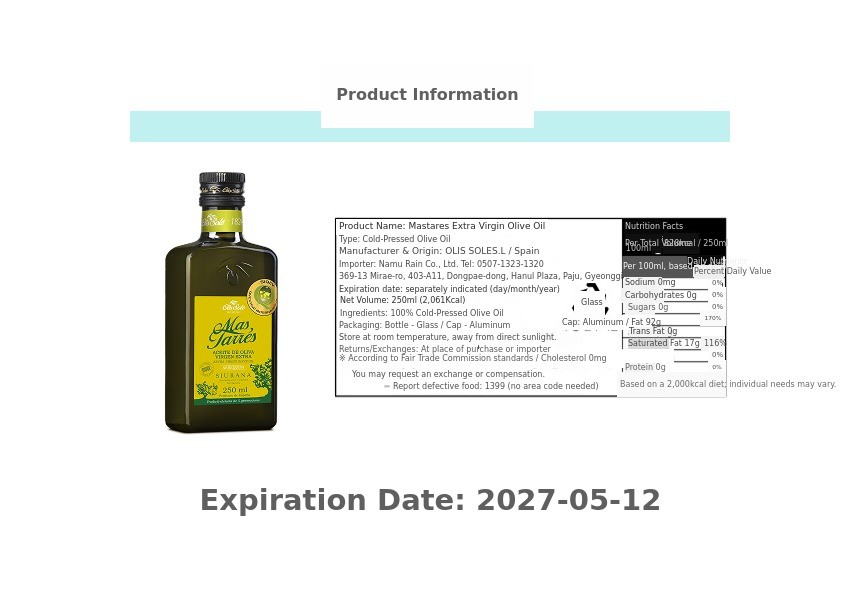
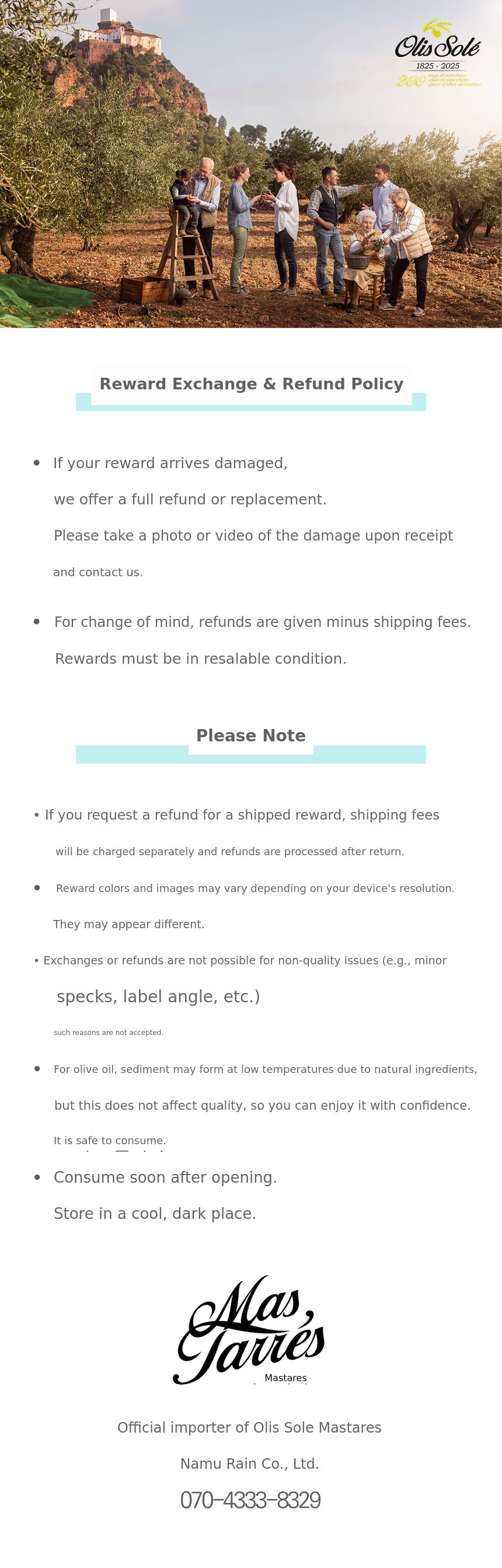
Product Information and Precautions