 Archplot
 Real events more dramatic than movies
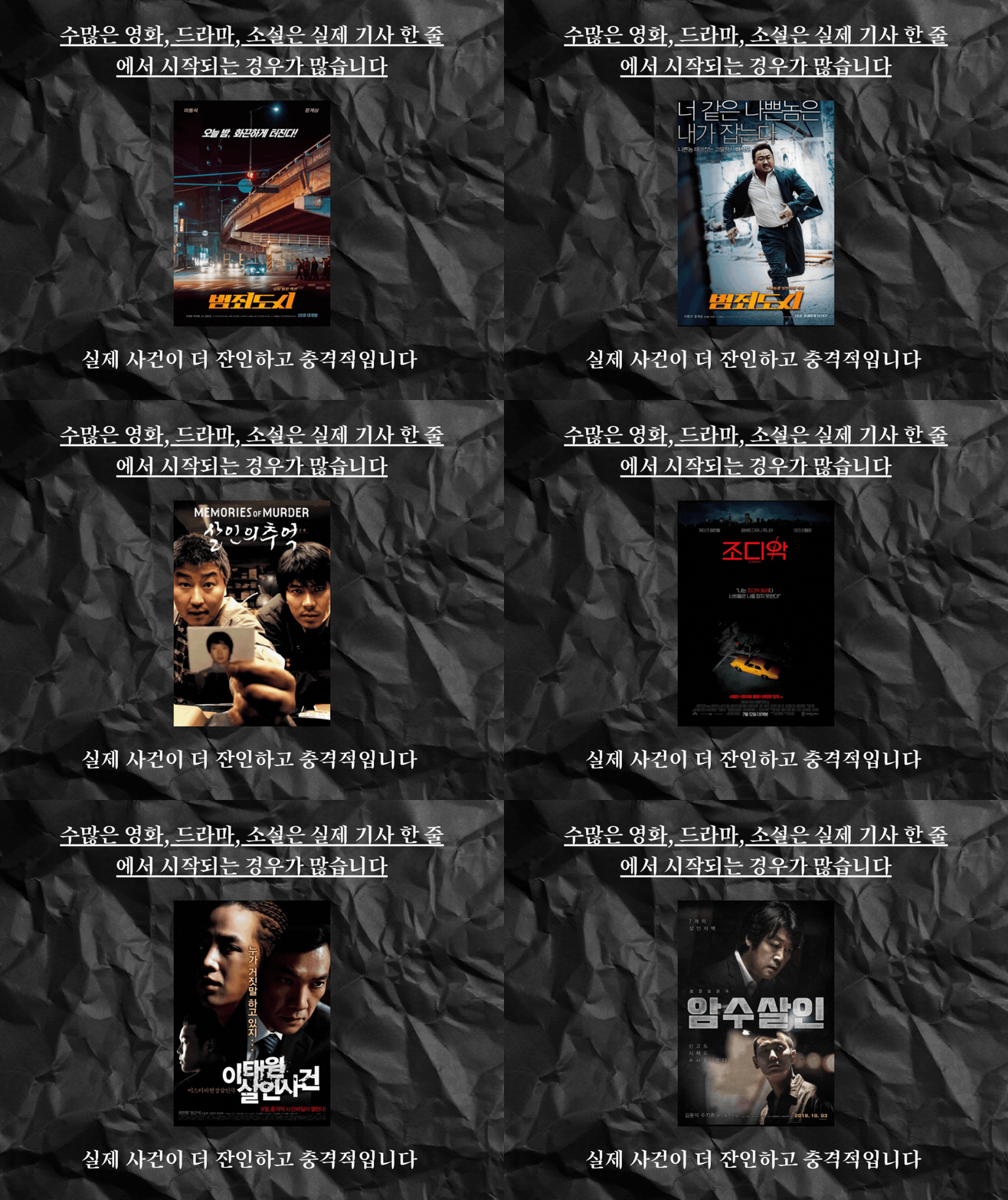
Director Bong Joon-ho's <Memories of Murder>, director Na Hong-jin's <The Chaser>, and the blockbuster <The Outlaws> series
All started from a single newspaper article. That was the beginning.
<Catch Me If You Can>, <Dark Figure of Crime>, <The Outlaws>, <Zodiac>, <Silmido>, <Silenced>, <The Case of Itaewon Homicide>, <Voice of a Murderer>, and many more
Most well-known movies, dramas, and novels began with real crime cases.
Whenever I watched a movie or read a novel based on a true story, I would look up the incident that inspired it. Then I would find another case, and then another.
There were many cases that were not well known.
You may want to be the first to know about crimes that others don't know well.
In such cases, this book will be a great help.
It contains case files filled with facts, evidence, and clues.
If you know about crime,
You can understand humanity and society.
Arcplot has collected crime cases that occurred in Korea from 1945 to 2000, spanning more than half a century. It was a grueling task. It was horrific, brutal, and heartbreaking.
During that process, I realized something.
Crime is not just a simple tragedy, but a record that reflects the changes of the times and the inner world of humans.
Right after liberation – Robbery and murder
Looking at crime records from right after liberation, the most common robbery-murders targeted 'cows.' Cows were the entire wealth of a household and their means of livelihood. There were a series of cases where merchants returning home from local cattle markets were attacked, their cows stolen, and they were murdered. Reading these crime records reveals just how desperate people's struggle for survival was at the time.
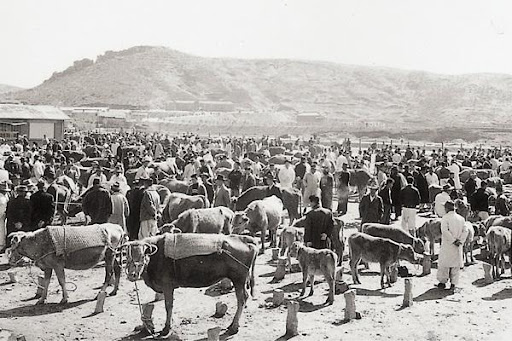
Until the 1960s, there were also many robbery-murder cases. During this period, it was quite common for entire families to be killed in such incidents. Why was that?
When a robber killed all the members of a household, it was often someone they knew. The family massacre in Siheung in October 1963 is an example. An assailant broke into the home of the Kim family, who lived in a place called Dongchang Valley, killed three family members, and fled. The homeowner's younger brother was hearing-impaired and slept through the commotion, unaware of what had happened.
Despite suffering severe injuries, Mr. Kim managed to come out to the front gate and shouted, "Fire!" before collapsing and dying. Startled by the shout, the assailant fled.
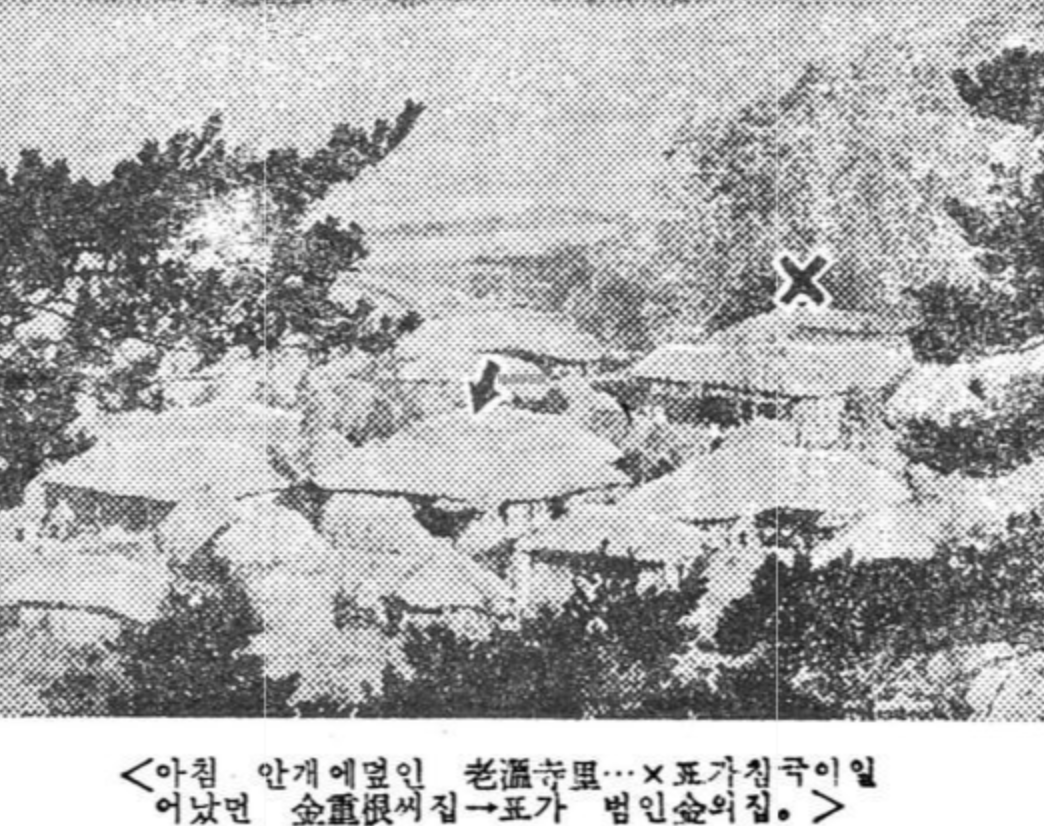
All the villagers came out to pursue the culprit. However, the assailant had already escaped. The police arrived and began their investigation, but the case showed no signs of being solved. Although Mr. Kim's disabled younger brother was suspected, there was no evidence against him.
As time passed, the culprit was caught due to evidence that was discovered 'by chance' (at the time, it was common for evidence or witnesses to appear by coincidence).
The culprits were Kim Wan-seon (21), a tenth cousin of the victim Mr. Kim who lived in the house across the street, and former police officer Yoo Geun-chang (45). Kim Wan-seon broke into Mr. Kim's house wearing a mask, but when the victims resisted and his mask was removed, revealing his face, he killed the entire family. Kim Wan-seon even helped serve food at the victims' funeral.
Since this incident occurred around the same time as the serial killer Go Jae-bong's crimes, the police initially suspected Go Jae-bong was responsible. However, at that time, Go Jae-bong was on the run.
It was a time when, no matter how much public safety improved, it did not reach rural or remote villages.
In the cities, armed robbers appeared.
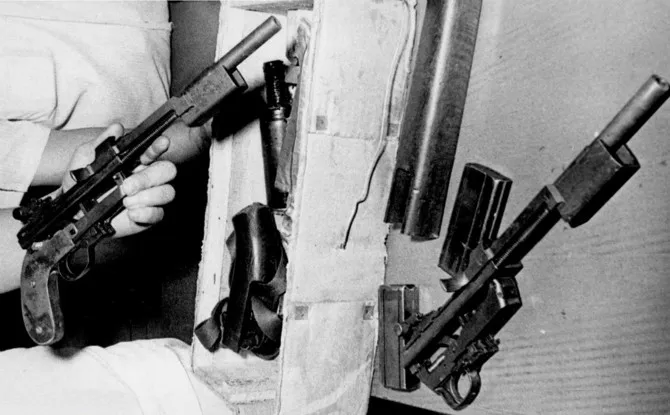
Right after liberation, robbers carried pistols, and after the Korean War, they appeared with carbines. At that time, the carbines were modified by removing the buttstock. This was so the weapon could be concealed and used in crimes.
Period of industrialization – People flock to the cities
As time passed and industrialization began, the targets of crime also changed. Criminals started targeting expensive items of the time, such as radios, bicycles, and electronic goods. Incidents of people being killed just to steal a radio or a bicycle increased.
In the past, there were many cases where entire families were murdered in isolated houses. For just a few sacks of rice or a small amount of money, whole families were sacrificed. However, as urbanization progressed, the stage for crime changed. Murders began to occur in the middle of crowded city centers, in apartment complexes, inns, and busy districts.
In particular, there were quite a few maid murder cases. When the house was empty, it was often the maid who was left alone. Robbers would kill the maid and steal valuables before fleeing. While investigating these cases, it was discovered that older apartments or houses had a 'maid's room.'
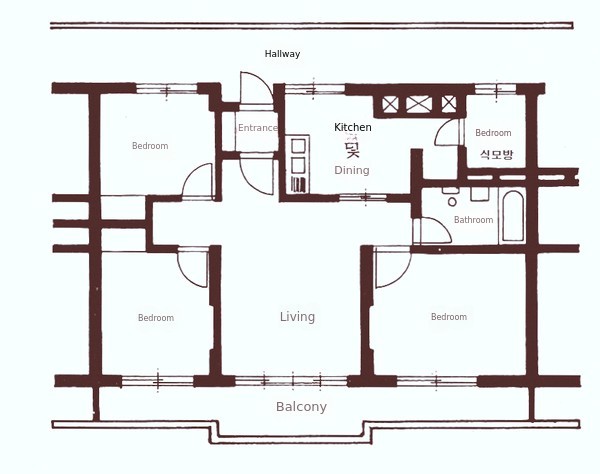
At that time, maids were paid very little. Their wages were only a third of their employer's allowance. The tragedy of leaving their hometowns to guard a house in the city, only to lose their lives. It was heartbreaking.
Modern society and the emergence of psychopaths
It was within this flow of urbanization and social change that we began to encounter new types of criminals. Namely,psychopaths as they are called. They did not commit crimes simply out of necessity or anger. These criminals appeared in society who enjoyed killing for its own sake and derived pleasure from observing the suffering of others.
Why did psychopaths begin to emerge in earnest during this period?
Urban anonymity – In rural communities, everyone knew who was who. But in the city, people lived together without knowing each other's names or pasts. That anonymity hid criminals and made repeated offenses possible.
Rapid social change– Industrialization and urbanization changed people's lives, but at the same time, they increased feelings of alienation and anxiety. Community bonds collapsed, and individuals became isolated. In that isolation, criminals who had lost their ability to empathize emerged.
Materialism and anomie– In the 1970s and 1980s, along with economic development, the trend of 'money equals value' spread. Sociologists called this period the 'age of anomie (loss of norms).' In an atmosphere where profit was prioritized over human dignity, crimes treating others as mere tools followed one after another.
This social environment gave rise to something different from simple impulsive crimes—cold-blooded serial killers.
The <Korean Crime Archive> contains records not only of well-known serial killers such as Kim Dae-du, Park Bun-rye, Kang Chang-gu, and Lee Choon-jae, but also lesser-known serial killers, including Choi Bong-woon, the aconite serial killer first recorded in a Korean newspaper in 1947, Im Seok-bong, a gun-wielding serial killer and robber, and Yoo Hong-sik, who killed people in succession under the pretense of marriage.
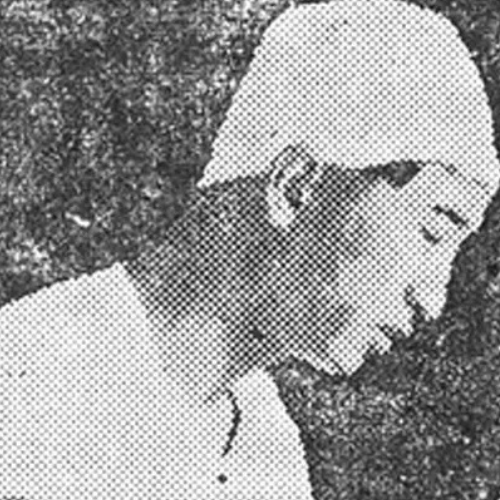 Im Seok-bong, a gun-wielding serial killer and robber active since 1954, was reported in newspapers as a 'master of dual pistols.'
I learned this while investigating these cases.
To know crime is not simply to know a single incident.
To know crime is to understand society and history.
And to know crime is to understand the darkest depths of human nature.
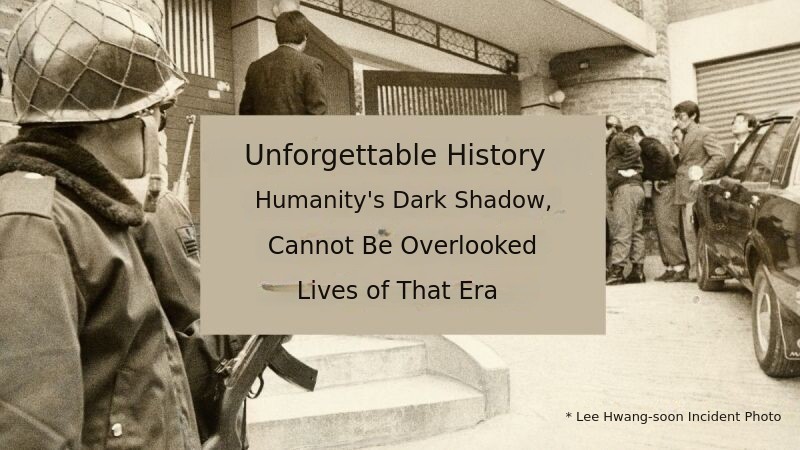
Cases not covered even in broadcasts
There are cases that were not covered even in programs like <The Day the Tail Bites the Tail>, <Unanswered Questions>, and <Crime Scene Experts>.
The <Korean Crime Archive> is a record that fills that gap.
Newspapers from 1945 to 1991contain the cases unearthed through thorough research.
· Cases that were previously unknown
· Cases we had forgotten about
· However, incidents that must be remembered.
This book was created with the mission to uncover such incidents.
It is truly a massive volume.
Incidents that have not been known until now,
Incidents we have forgotten in our lives,
Incidents that must not be forgotten.
In the <Korean Crime Archive>, there are cases that could not be seen before. Of course, these are not being revealed for the first time! That is because they are incidents recorded in newspapers and documents.
However! These are incidents that could not have been uncovered without carefully examining the articles while collecting materials.
<Korean Crime Archive> works with the mission to uncover incidents that must not be forgotten.
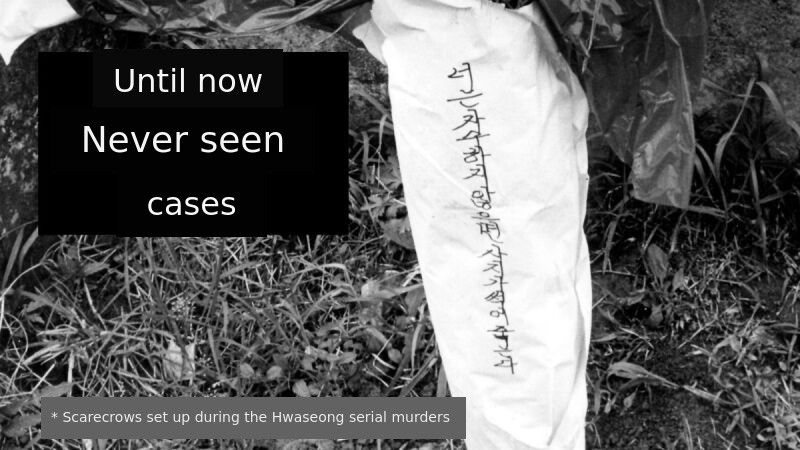
You can use this material to study criminology (even police officials have purchased it),
or use it as inspiration for writing creative works.
If you are a fan of thrillers or crime stories, just reading it is enjoyable.
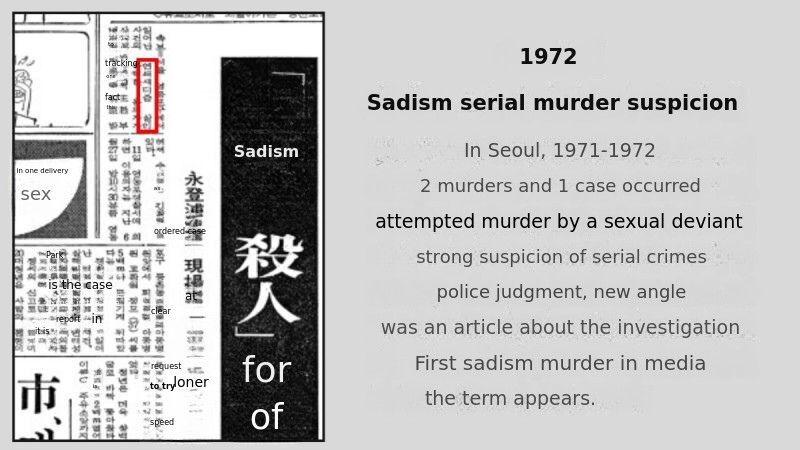
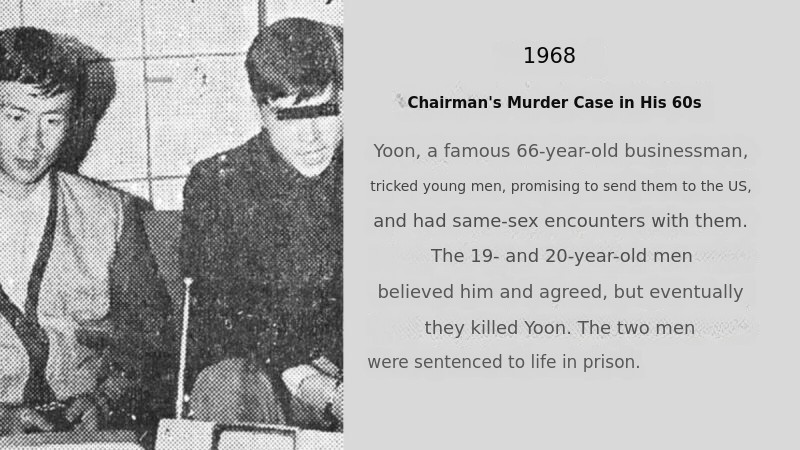
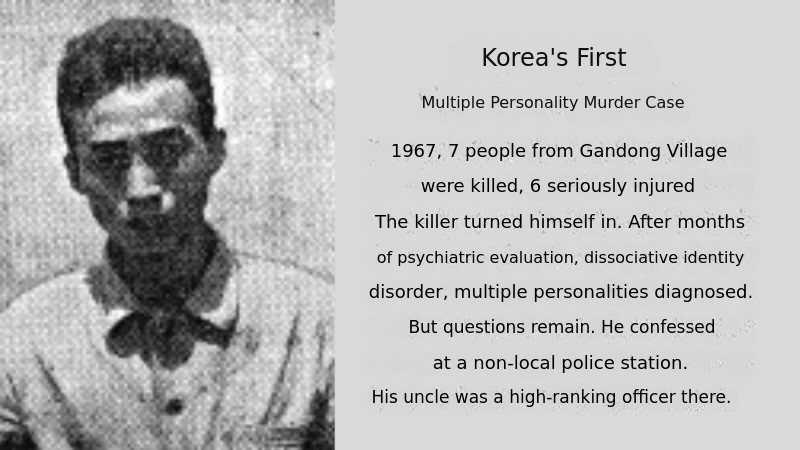
The first point of <Korean Crime Archive>:
1. Human cruelty
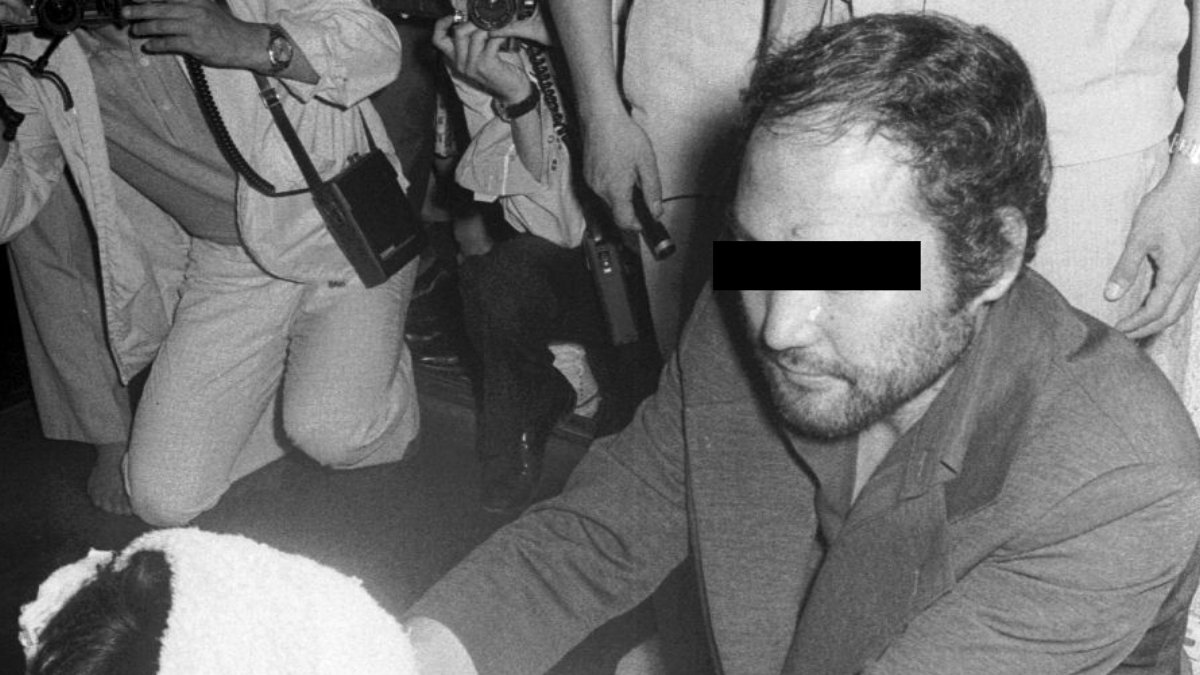
On May 2, 1987, the body of a woman in her 50s was found in the waters of the Han River in front of Yeouido.
Before the body was discovered, Mr. Yuk, a cleaner affiliated with the Han River Management Project, first found part of a woman's severed body on the embankment stairs in front of the riverside park next to the 63 Building in Yeouido and reported it to the police.
Mr. Yuk said the following in an interview with the media.
“While collecting a lot of trash that had piled up near the embankment, I saw something that looked like a human hand in about 15 centimeters of shallow water on the embankment stairs. When I got closer, it was a wrist.”
After receiving the report, the police mobilized about ten divers to search the nearby waters. On the same day at 2 p.m., they found the woman's severed head and parts of her body at a depth of four meters on the riverbed. There were three contusions on the woman's head, and both her neck and wrists had been sharply severed.
At the same time, they found about ten bloodstains stretching for about 200 meters from under Wonhyo Bridge to the 63 Building parking lot. It was presumed that the perpetrator killed and mutilated Ms. Kim, transported her by car or motorcycle, and dumped her in the river, so the area around the Han River was searched.
Through fingerprint analysis, the police revealed on the morning of May 4 that the identity of the deceased woman was Ms. Kim (55).
Ms. Kim's address was located in Cheongwon-gun, Chungbuk. The police urgently dispatched detectives to her address and summoned her eldest son, Choi Min-soo (26, alias), who lives in Seoul, for questioning.
According to the eldest son, Mr. Choi, the deceased Ms. Kim had been living alternately between the home of her daughter, Choi Myung-soon (28, alias), in Cheongwon, Chungbuk, and her own house. She had worked at factories and other manual labor jobs, and testified that she had not been heard from since she left her home at the end of last month (late April).
Was the culprit a butcher?
The deceased Ms. Kim had two sons and one daughter with her husband, Choi Byung-sik (68, alias). Her husband, Mr. Choi, had run away from home without notice 20 years ago, and his resident registration was canceled in 1978.
Based on statements from residents of her address that the deceased Ms. Kim often caused trouble due to her severe drinking habits, the police first investigated people around her.
Whenever this type of body mutilation case occurred, the police assumed the perpetrator was someone accustomed to using weapons such as knives or axes.
From 1945 to 1980, suspects were narrowed down in this way, but not once was the suspect actually the perpetrator. In this case as well, the police began investigating people working at places like Noryangjin Fish Market and slaughterhouses.
The real culprit was someone else.
However, shockingly, the culprit was the eldest son, Mr. Choi. He mutilated the body to cover up his crime.It is not only psychopaths who brutally mutilate corpses. Murderers who commit impulsive killings have also done such things to destroy evidence.
However, after the introduction of resident registration cards and fingerprint registration, the identity of unidentified bodies was quickly revealed. Once the investigation focused on that identity, the chances of catching the perpetrator increased.
After being apprehended, Mr. Choi gave a statement to the police.
"On May 1 at 9 p.m., I came home and went to bed early to prepare for my early morning shift, but my mother came home drunk and started kicking and causing a drunken disturbance. In a moment of rage, I struck her with a beer bottle and killed her."
Meticulously, Mr. Choi disposed of his mother's body in different locations. The next day, May 2, he even went to work.
A child kills a parent, a parent kills a child, bodies are mutilated... The cruelty of humanity drags the mind into a deep abyss. However, without encountering such cases, it is impossible to study criminals.
The second point of the <Korean Criminal Casebook>:
2. Desire and murder
Among the murder cases from 1945 to 1980, one type that was widely reported in the media involved murders due to adultery or inappropriate relationships. Murders did not occur only in adulterous relationships. Crimes of passion were also frequent. There were cases where an elderly person sexually exploited young men and was eventually murdered, or a young man who was treated as an adopted son had relations with the wife and was killed by the husband. Desire was always a major motive for murder.
Poisoning the wrong person
Incidents of this kind also occurred frequently in the 1980s. On May 9, 1983, a rather shocking event took place.
Kang Kyung-ja (42, alias) had an affair with her brother-in-law Kim Young-sik (27, alias). Kang Kyung-ja's husband had died 15 years earlier. In January 1982, when her mother-in-law Lee (67) discovered the relationship and confronted her, Kang laced a candy with poison and fed it to her, killing her.
This crime appears to have been revealed after the perpetrator was later apprehended. In 1982, her brother-in-law Kim married another woman. Enraged by this, Kang decided to kill Kim and, around 2 p.m. on May 9, 1983, put poison in a bottle of soju in Kim's kitchen.
Unaware of this, Kim returned home around 7 p.m. after finishing farm work and met Choi, a villager, on the way. They went home together and drank alcohol. After drinking, both Kim and Choi suffered stomach pain and were taken to the hospital, but only Kim recovered while Choi died.
A premeditated crime of passion?
On May 21, 1984, the body of a woman was found in the closet of room 201 at a hotel in Seoul. An employee who entered to clean noticed a strong odor coming from the closet and, upon opening it, found a woman who had been strangled to death. The deceased woman was wearing only underwear and was lying at an angle with her knees bent between the blankets in the closet.
The perpetrator had laid a newspaper dated May 6 on the bottom of the closet, stacked two blankets on top, placed the woman's body on them, and then piled four more blankets on top to conceal it. The closet where the body was found was used to store winter blankets for laundry and was rarely touched by the staff.
The woman was so badly decomposed that she was unrecognizable, and in the corner of the closet were a pair of sandals, a blouse, a skirt, a vest, and a handbag, all believed to belong to her.
The police believed that the perpetrator hid the body in the closet to delay the investigation and removed any clues that could reveal her identity, and began investigating the case as a premeditated crime of passion.
A total of 28 men stayed in room 201 from the 6th onward, but none of the guests knew there was a body hidden in the closet. They only complained to the staff about a bad smell in the hotel, but the hotel staff failed to discover the woman's body and only cleaned the bathroom.
The woman was so badly decomposed that even fingerprints could not be taken. She was still wearing her gold ring, so it was not a robbery-murder for valuables. When an unidentified body was found, the investigation faced difficulties. It was hard to identify suspects or determine a motive. In cases where there was not even a missing person report, most cases remained unsolved.
There was also no article found stating that the perpetrator of this case was caught. When the perpetrator was not caught early on, most cases remained unsolved. While compiling this collection, I wondered how many criminals around us are living without their crimes being discovered.
The third point of the <Korean Crime Archive>:
3. Murderers of the City
Before urbanization began, murders often occurred in villages and remote areas. Family massacres in isolated houses were common, and robbers would kill entire families for a small amount of money or rice.
In fact, murders similar to those today also happened frequently, but there was no forensic investigation at the time, so many cases remained unsolved. As urbanization began, various types of murder cases started to occur.
Investigators began to use scientific approaches in their investigations, and many perpetrators started to be caught.
Murder at the Drop of a Hat
On February 11, 1988, the Dong-A Ilbo published an article titled 'Murder at the Drop of a Hat, Disregard for Human Life Rampant.'
The article reported that heinous crimes such as murder-robbery, rape, child abduction, kidnapping of women, hit-and-run, and organized crime were occurring frequently across the country. According to the article, not only were there robberies for valuables, crimes of revenge or passion, and family massacres, but even children were becoming victims of these crimes.
There were incidents where police officers, responding to robbery reports, were stabbed to death by criminals, and cases where officers on patrol were assaulted by groups and robbed of their belongings. At that time, the prevention of violent crimes was nothing but a dream.
Professor Yoonjong Shim of Sungkyunkwan University's Department of Sociology analyzed this surge in violent crime, stating, "It reflects a kind of 'anomie'—a loss of norms—arising from the structural corruption of our society and the period of social transformation." He also diagnosed that the materialism and get-rich-quick mentality prevalent during the economic development of the 1970s contributed to this phenomenon.
Serial killers began to emerge in earnest in the 1980s. Of course, there had been several cases suspected to be serial killings in the past, but as serial murder started to be studied in depth, the term 'serial killer' began to be widely used in the media.
In addition to serial killers, there were mass murder cases such as the Woo Police Officer incident, and the Lee Dongsik case, where a woman was poisoned and her dying moments were filmed, all showing that the nature of crime was changing.
The period when Lee Choon-jae was active was precisely the 1980s. Serial killers began to increase rapidly, including Kim Sun-ja, who poisoned her family like Park Bun-rye, Kang Chang-gu of the Gongju serial murders, Kim Tae-hwa and Jo Kyung-soo of the Saetbyeol Room Salon murder, Oh I-gyun who killed elderly people and children, and Lee Choon-jae, who started his crimes in 1986.
Why was Project Reboot necessary?
<Korean Crime Archive> was started alone. From collecting materials to writing, editing, and design, I handled everything for volumes 1 through 8 by myself. It was truly a series of hardships. However, at some point, I reached my limits working alone. So, with the help of experts, I recreated volumes 1 to 5 and continued volumes 6 to 8 in a second part format.
However, as the number of volumes increased (a total of 8), new problems arose. Management became difficult, and it became increasingly hard for readers to find the cases or information they wanted. To solve this, I began the process of combining the volumes. In doing so, I not only merged them but also supplemented missing parts. For cases without verdicts, I found and added them, and included details of investigations and evidence. I also supplemented the archive with new cases and materials not previously included.
A time to reinterpret old records.
It took much longer than expected to revisit the early cases. Although they were clearly recorded in Korean, the articles from the 1950s and 1960s were difficult to understand and required interpretation.
For example, the article on the 'serial murder of three people for money' reported in 1957 was difficult even to read. Long sentences without periods, unclear names, and articles with tangled grammar. The process of refining these materials so that today's readers could understand them was more like translation than simple editing.

In the previous series, such issues were sometimes left as they were, but the rebooted <Korean Crime Archive> (all 3 volumes) is different. Every article has been reorganized so that modern readers can understand them.
The rebooted <Korean Crime Archive> (all 3 volumes) is different.
Everything has been changed for easier reading.
Key points of the reboot.
1️⃣ Supplementing case materials.
Unexpected differences were discovered during the editing process.
The criminal's name, written as 'Kim Deuk-woo' in the article, was recorded as 'Kim Deuk-soo' in the verdict.
If I had not checked the verdict, the wrong name would have been permanently recorded.
Such cases were by no means isolated incidents.
Not just the names,We reviewed and reinforced the testimonies, clues, and even the investigation process.
Re-examining hundreds of cases was endless labor, but I believed that only by going through this process could it truly be called a 'historical record collection.'
2️⃣ Additional Cases
At first, I intended to supplement only about ten cases.
However, during the review process, I discovered that what I thought were the same cases were actually completely different incidents.
As I collected articles page by page, cases that had been hidden in small corners rather than on the main social pages finally came to light.
In particular, rather than cases reported only briefly, I focused on adding those where the flow from 'incident occurrence → investigation → verdict' was revealed.
The cases unearthed in this way are stories that have never been recorded anywhere before, but absolutely must be preserved.
3️⃣ Example of Case Supplementation
###Smuggling King Lee Jeong-gi
Date: 1960s | Type: #SmugglingAfter liberation, diplomatic relations with Japan were severed. Trade was, of course, out of the question. Even those with money had few goods to buy in Korea at the time. Taking advantage of this opportunity were the special force smugglers.
Special force smuggling was maritime smuggling centered around Busan Port and the southern coast until 1969. Since the smuggling was based at Izuhara Port in Tsushima, it was commonly called 'Tsushima Special Force Smuggling' or 'Izuhara Special Force Smuggling.'
For Japanese goods to enter Korea safely, an outpost was needed in the middle, and Izuhara Port in Tsushima was suitable for this.
The smuggling group would depart from Izuhara Port in small high-speed boats in the late evening, and on the high seas, After assessing the situation, they would speed into Korea under the cover of night. They would unload the smuggled goods on southern coastal islands or shores, transfer them to other boats, or even drop them into the sea. This special force smuggling was a collective organization, involving gangs and authorities, making it violent and well-informed.
In 1965, more than 30 smuggling boats from Korea were docked daily at Izuhara Port. There were also over 20 traders supplying Japanese goods to them.
In 1966, 160 smuggling boats were reported to Izuhara Customs, with a declared value of $328,000. In 1967, the number of smuggling boats increased to 190, with a declared value of $690,000.
In the early days of smuggling, the items that left our country were rice, scrap metal such as shell casings, and seaweed. The items that came in were mostly cosmetics and textiles. In addition, daily necessities such as medicines, school supplies, motorcycles, bicycles, televisions, and parasols were also included.
####Smuggling King Lee Jeong-gi
Lee Jeong-gi was a figure known as the smuggling king, operating in the 1960s with Izuhara Port as his smuggling base.
Lee Jeong-gi began smuggling in 1958, at the end of the Liberal Party era, after mingling with Han Pil, who was famous as the smuggling king of the southern coast, and others in Busan. However, in May 1961, when he began smuggling in earnest, the May 16 military coup occurred.
The Park Chung-hee administration began to crack down on smugglers on a large scale. Even Han Pil was caught and sentenced to death. As a wanted man, Lee Jeong-gi decided not to hide in order to survive. So, in September 1961, he chose to stow away to Tsushima, Japan, on a special forces smuggling boat.
In Tsushima, Lee Jeong-gi was caught for violating immigration laws and was sentenced to ten months in prison, serving six months. After his release, he found a way to reside in Izuhara by living with a Japanese woman. In this way, Lee Jeong-gi obtained a residence permit and began smuggling in earnest.
Hearing the news, his associates came to Tsushima, and the smuggling organization became active again. Lee Jeong-gi joined hands with Oh Jong-ok, who had established himself as a professional smuggler in Tsushima, and Kim Ui-kyung, a broker who arranged smugglers, to do business with special forces smuggling boats.
In particular, he even taught them how to land and dispose of smuggled goods one by one, while allowing credit transactions for smuggled items. As sales at Yamada Trading Company, where Lee Jeong-gi was the manager, increased day by day, Japanese authorities even nominated him as an export contributor.
In this way, Lee Jeong-gi quietly helped turn Izuhara Port into a bustling harbor by increasing the number of cabarets, bars, and inns for smugglers who came to the port. Izuhara Port became a lively hub for smugglers, much like the ports depicted in pirate movies.
In 1965, the Korean government launched a joint anti-smuggling investigation team, and Japan no longer turned a blind eye to illegal smuggling organizations. In 1967, for the first time as a working-level official, Cho Jun, the chief of psychology at Busan Customs, arrived in Tsushima at the invitation of the Japanese Ministry of Foreign Affairs.
Late at night, Cho Jun, the chief of psychology at Busan Customs, met with the then smuggling king Lee Jeong-gi and Oh Jong-man in a room at an inn in Izuhara Port. They talked until dawn, alternating between threats, persuasion, and appeasement.
On December 1, 1968, smuggling king Lee Jeong-gi and his influential associates, Mr. Oh and Mr. Kim, jointly issued a statement titled 'Ending the Tsushima Smuggling Trade.' With this announcement, the Tsushima smuggling route came to an end.
The revised text is as follows.
Smuggling King Lee Jeong-gi and Special Forces Smuggling
Criminal: Lee Jeong-gi
Case Type: Smuggling
Date of Incident: 1968/11/30
Location of Incident: Tsushima area
Case Summary: In the 1960s, Lee Jeong-gi, known as the 'smuggling king,' operated out of Izuhara Port on Tsushima Island, Japan, leading a special forces smuggling organization before retiring.
##Occurrence of Smuggling After Liberation and the Emergence of Special Forces Smuggling
해방 이후 일본과의 국교가 단절되면서 무역은 사실상 불가능했다. 국내에는 살 만한 물건이 부족했고, 돈 있는 사람들은 일본 제품을 원했다. 이 틈을 타서 등장한 것이 이른바 ‘특공대 밀수꾼’이었다.
특공대 밀수는 1969년까지 부산항을 중심으로 남해안 일대를 무대로 한 해상 밀수였다. 밀수꾼들은 대마도 이즈하라항을 거점으로 삼아, 소형 쾌속선을 타고 공해에서 분위기를 살핀 뒤 밤을 틈타 우리나라로 밀입국했다. 물품은 남해안 섬이나 해안에 내려놓거나, 다른 배에 옮겨 싣거나, 바다에 빠뜨려 나중에 수거하는 방법을 사용했다.
밀수는 집단적 조직 형태로 운영되었으며, 폭력배와 권력기관까지 개입돼 있어 난폭하고 정보력도 뛰어났다. 1965년에는 한국에서 건너간 밀수선이 30여 척 매일 이즈하라항에 정박해 있었으며, 일본 무역상도 20여 개나 이들과 거래했다.
1966년 이즈하라 세관에 신고된 밀수선은 160척, 신고 금액은 32만 8천 달러였고, 1967년에는 190척, 69만 달러로 증가했다. 밀수 초기 한국에서 일본으로 나간 품목은 쌀, 고철, 해초류였으며, 한국으로 들어온 것은 화장품, 직물류, 약품, 학용품, 오토바이, 자전거, 텔레비전, 양산 등이었다.
##남해안 밀수왕 한국필과의 인연, 그리고 밀항
이정기는 자유당 말기인 1958년 밀수에 뛰어들었다. 그는 당시 남해안 밀수왕으로 불리던 한국필(1962년 사형)과 부산에서 어울리며 밀수 세계에 입문했다. 이정기는 활달한 성격에 머리 회전이 빠르고 주먹이 셌으며, 잘생긴 외모와 호탕한 씀씀이로 유흥가에서도 유명했다.
그러나 1961년 5·16 군사정변 이후 박정희 정권은 밀수꾼을 대대적으로 검거하기 시작했다. 호형호제하던 한국필마저 사형대에서 사라지자, 수배 중이던 이정기는 숨어서는 살아남을 수 없다고 판단했다. 결국 그는 1961년 9월, 특공대 밀수선을 타고 일본 대마도(쓰시마섬)로 밀항했다.
일본에서의 체류와 밀수 본격화
이정기는 쓰시마에 도착하자마자 출입국관리법 위반으로 붙잡혀 징역 10월형을 받고 6개월을 복역했다. 출옥 후 귀국을 시도했으나, 국내에서는 체포와 극형이 기다리고 있다는 소문이 돌았다. 그는 일본 여성과 동거해 1년짜리 거주증을 발급받는 방식으로 이즈하라에 정착했고, 그때부터 본격적으로 밀수 사업에 뛰어들었다.
동료 밀수꾼들이 대마도로 찾아오자 조직은 다시 활기를 띠었다. 그는 이미 밀수 전문상으로 자리를 잡고 있던 오종옥, 밀수꾼을 알선하는 중개상 김의경과 손잡고 특공대 밀수선을 상대로 영업을 벌였다.
이정기는 밀수품을 외상거래로 제공하며 상륙 및 처분 방법까지 가르쳐주었다. 그가 지배인으로 있던 야마다 상회는 매출이 급격히 늘어 일본 관헌으로부터 ‘수출유공자’로 추대되기도 했다.
##세관 감시선의 추격과 영덕호 격침 사건
1965년 8월 2일 새벽, 일본 대마도 이즈하라항을 떠난 쾌속 밀수선 ‘영덕호’는 약 4백만 원어치의 밀수품을 가득 싣고 부산으로 향했다. 배는 5톤 규모에 170마력 엔진을 장착한, 흔히 ‘특공대 밀수선’이라 불리던 전형적인 밀수 전용 선박이었다. 영덕호의 선주이자 배의 실질적인 주인은 바로 이정기였다. 그는 일본 대마도를 근거지 삼아 활발한 밀수 활동을 이어가고 있었고, 이번 항해 역시 그의 지휘 아래 진행됐다.
합동수사반은 영덕호가 밀수품을 실어 나른다는 특수 정보를 사전에 입수했다. 부산에서 출항한 세관 감시선은 일본 대마도에서 약 20마일 떨어진 해상에서 영덕호의 동태를 포착했다. 8월 2일 오전 2시 40분, 이즈하라항을 출발한 영덕호가 북상하는 것이 확인되자 추격이 개시되었다. 감시선은 정선 명령을 내렸으나, 영덕호는 이를 무시하고 금만항을 향해 전속력으로 도주했다.
밀수선과 감시선은 한밤중 바다 위에서 치열한 추격전을 벌였다. 영덕호가 추적을 뿌리치려 급선회와 가속을 반복하자, 감시선은 더 이상 체포가 어렵다고 판단하고 실탄 사격을 개시했다. 경기관총과 기관포에서 발사된 약 2백여 발의 탄환이 영덕호 선체를 강타했고, 밀수선은 급격히 침수되기 시작했다. 결국 배는 30분 만에 폭발하며 침몰했다. 이는 대한민국 당국이 밀수선을 실탄 사격으로 직접 격침시킨 첫 사례였다.
침몰 직전, 배에 타고 있던 선장 김천출(49, 일명 윤병도)과 기관장 정문석(34)은 바다에 뛰어들어 목숨을 건졌다. 곧바로 세관 감시선에 의해 구조된 이들은 관세법 위반 혐의로 부산지검에 송치되어 구속되었다. 배의 선주였던 이정기 또한 사건의 핵심 인물로 지목되며 다시금 밀수왕의 실체가 드러났다.
영덕호에서 적발된 밀수품은 ‘포리덴-필름’ 24권, ‘데드롱’ 양복지 5상자, 여성용 봉채 1상자(2천 개)에 달했으며, 총액은 약 4백만 원이었다. 당국은 이정기가 그해 3월부터 이미 6차례에 걸쳐 약 5천만 원 상당의 밀수품을 들여온 것으로 파악했다. 사건 이후 정부는 영덕호 격침을 대대적으로 홍보하며 밀수 단속 강화의 정당성을 부각시켰다.
##밀수왕의 위세와 이즈하라항의 불야성
이정기는 단순히 물품 거래에 그치지 않았다. 그는 대마도 이즈하라항에 드나드는 밀수꾼들을 위해 유흥업소와 숙박시설까지 확장했다. 카바레, 술집, 여관 등이 줄줄이 들어서며 항구는 밤낮을 가리지 않고 술과 환락으로 들끓었다. 마치 해적 영화 속 항구처럼, 이즈하라항은 밀수꾼들의 집결지이자 모항으로 악명을 떨쳤다.
그러나 이러한 화려함 뒤에는 철저하게 조직화된 이정기의 밀수 시스템이 있었다. 그의 조직은 단순한 소규모 뒷거래가 아니라, 일종의 Special Forces Smuggling Corps They moved like one. According to reports, a smuggling fleet as formidable as an invincible armada was operated, and under Japan's passive protection, smuggling expanded to an enormous scale. In fact, on May 20, 1966, an incident occurred where 15 smuggling speedboats were seized at once, making Izuhara Port a massive smuggling stronghold.
##The Organized and Meticulous Smuggling Network
About two months earlier, Lee Jeong-gi's smuggling organization established a financial base in Yeongdo, Busan, and operated about 15 smuggling vessels, launching large-scale operations by deploying more than 10 boats at once per departure. They used the waters off Yeongdo near Busan Port as their base, establishing a meticulous communication line from Yeongdodongsam, Cheonghak-dong, Archi Island, to the waters off Jodo.
The smuggling boats cleverly docked off the coast of Busan Port to evade customs surveillance, using landmarks like “Ttungbawi” as secret signaling spots. On the route between Tsushima and Busan, they installed transceivers (military-style simplified wiring capability), enabling communication up to 50 miles from Busan. After July 8, 1966, the 'Daegyeongho' used this communication network to return empty or to enter and exit Busan Port with disguised cargo (10 bolts of Debia fabric, toiletries).
Collusion with Japan, and Structural Issues
The background to the expansion of Lee Jeong-gi's power was Japan's indifference and tacit approval. The Tsushima customs office and immigration branch accepted fake seaman's books from smuggling crew members and officially processed the departure of 5-ton smuggling boats registered as trading vessels. As a result, the line between legal and illegal was effectively erased, and smuggling proceeded as if it were officially permitted by Japan.
In reality, Japan gained economic benefits from the foreign currency brought in through smuggling, in exchange for granting smuggling vessels the status of trading ships. While refusing to export legitimate fishing boats, they turned a blind eye to smuggling—a double standard. At the time, investigators strongly criticized, saying, “Japan is instigating criminals like Lee Jeong-gi to trouble our government.”
##The Power and Impact of Lee Jeong-gi's Smuggling Organization
Unlike legal vessels, the smuggling methods of Lee Jeong-gi's gang werecombative and daring. They could reach the Busan coast in just two hours with speedboats, and their operations were as meticulous as military maneuvers. The speed of handling smuggled goods made detection difficult, and the network from the financial base in Yeongdo, Busan, to domestic distribution channels was connected in an instant.
As a result, while the annual average value of smuggled exports from Tsushima to Korea was about 800 million won (Japanese currency) until 1956, it soared to over 1 billion won in 1960. After dropping to 100 million won right after the May 16 military coup in 1961, it rebounded to over 300 million won in 1964, and surged again until the joint investigation team was fully deployed in 1965–66.
##The Joint Smuggling Investigation Team and Lee Jeong-gi
In 1965, the Korean government launched a joint smuggling investigation team to crack down on large-scale smuggling. Centered in Busan, the team conducted an unprecedentedly intense crackdown, especially targeting the Special Forces smuggling organization.
From 1966, the Korean Consulate General in Fukuoka stationed a consul in Izuhara to intensify anti-smuggling operations. At one point, up to 10 smuggling boats departed from Tsushima per month, but by June 1968, this had decreased to about three per month. In fact, the Busan customs surveillance vessel succeeded in seizing the Geumyeongho. However, the smuggling problem remained serious, and the smuggling economy centered on Izuhara Port in Tsushima continued to be a core issue of conflict between Korea and Japan.
Local residents protested as their livelihoods were threatened by the intensified crackdown. A local Socialist Party member of the Japanese Diet stated in parliament, “It is a violation of rights for immigration officers to prevent trade. Why doesn't the government take action when the Korean consul illegally destroys trading vessels?” There was also criticism that the problem stemmed from long-standing practices condoned by customs and immigration authorities.
In fact, in 1967 alone, the total amount of smuggling reached 1.5 billion won, and at times more than 30 smuggling boats entered port, with the annual total exceeding 2 billion won (Japanese currency). Three to four people would board each boat, depart at night, arrive on the Korean coast, and enter at dawn disguised as fishing boats. The smuggling boats would secretly enter Busan Port under moonlight or the blue dawn, and locally, smugglers were seen searching for unloading sites.
To block this, the Korean government mobilized Busan customs and diplomatic channels. Consul General Jeong Moon-soon of the Fukuoka Consulate General directly contacted smuggling agencies in Tsushima and requested cooperation from the Japanese side. The smuggling agencies were companies run by Japanese, such as Ilso Heungup, Pyeonghwa Trade, and Yamada Trading Company, and Lee Jeong-gi was closely connected with them to receive smuggled goods.
##Declaration and the Breakup with the Smuggling King
On November 29, 1968, Lee Jeong-gi, Kim Ui-kyung, Oh Jong-ok, and ten others submitted a statement to the head of the Busan Customs Office. The statement was reported the next day and caused a great stir.
The statement began with the phrase, “Parting ways with smuggling.” They declared that they would completely withdraw from smuggling based in Tsushima and, from now on, walk the path of atonement to their homeland and families. In particular, the passage, “From this moment, we pledge to atone for our country and, as true citizens of the Republic of Korea, to make a new start,” was emphasized.
A concrete action plan was also presented. The statement included a pledge: “After December 1, we will personally expel any smuggling vessels entering Tsushima,” and also stated, “To achieve this with our own strength, we will actively fight in cooperation with relevant government agencies of the Republic of Korea until the goal is accomplished.” This was not a simple apology, but a practical plan in which the smuggling organization itself promised eradication from within.
On November 27 of the same year, Lee Jeong-gi expressed the same determination in a letter to the Japanese woman he was living with. He reported that he had closed all businesses, including the 'Yamada Trading Company' he managed, 'Peace Trade' run by Oh Jong-ok, and the smuggling agency managed by Kim Ui-kyung, and that he was now running a restaurant called 'Fukuoka Rodena' in Fukuoka. In the letter, he expressed his resolve to “completely withdraw and engage only in legitimate trade.”
With this, the smuggling organization that once connected Tsushima and Busan and was bustling with activity declared its voluntary dissolution, and the era of the 'smuggling king' centered on Lee Jeong-gi officially came to an end.
##Timeline
In 1954, Tsushima Izuhara Port emerged as a smuggling base.
After the Korean War armistice, it emerged as a base for smuggling spent cartridges, ingots, seaweed, and other goods to Japan using small vessels.
In 1956, smuggling shifted from exports to imports.
Taking advantage of the postwar boom caused by the Korean War, the reconstruction of Japanese industry led to the smuggling of luxury goods such as cosmetics and textiles.
In May 1959, the suspension of trade with Japan caused a surge in smuggling, reaching its peak.
An estimated 1,300 smuggling vessels per year, with smuggled imports valued at about 1 billion won. In Izuhara Port, Japan, there were 22 companies involved in smuggling, including Yamada Trading Company. In the southern coastal customs offices of Busan, Masan, Yeosu, and Mokpo, maritime blockade operations were conducted against special smuggling vessels secretly operating along the southern coast.
In November 1959, the Yeosu Customs surveillance vessel Anyang-ho sank while on maritime patrol.
(Omitted)
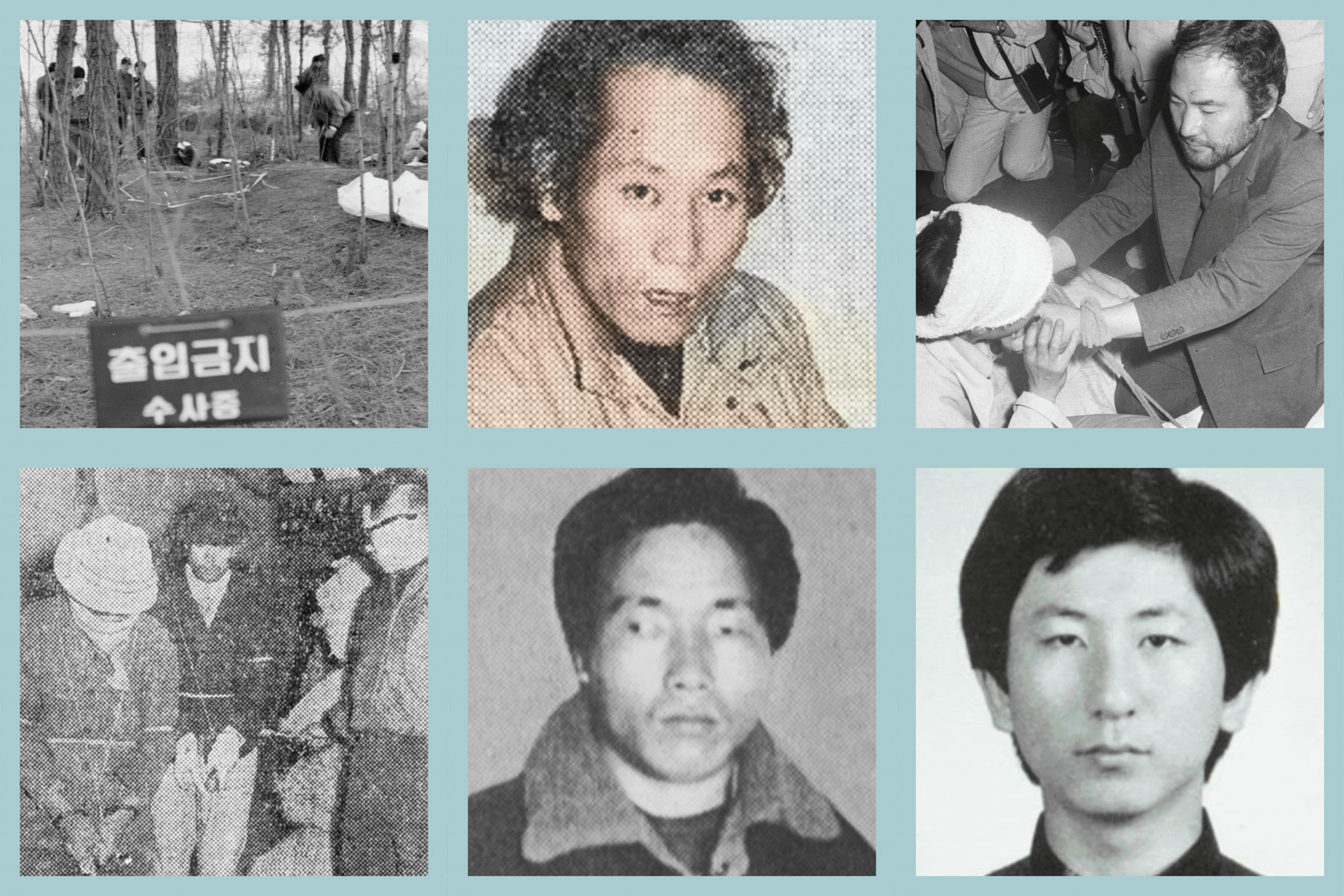
Why is this book absolutely necessary?
This book is not simply a collection of incident records.
If you are a producer or writer, this will be a source of raw data for creating compelling narratives.
If you love history, you can read the landscape of Korean society after liberation as it is, embedded in these incidents. Prices at the time, ways of life, and the process of urbanization are revealed through the events.
If you enjoy crime stories, you will encounter real-life cases more intense than any movie or drama. Cases that are hard to find even in expert books, let alone on the internet, are alive in this book.
The accessibility of <The Republic of Korea Crime Archive>
How can we differentiate ourselves?
Something you can see anywhere
<Notion Resource Book>
As the volume of <Korea Crime Data Book> increased, the limitations of only providing a PDF e-book began to show.
PDF e-books have the advantage of being accessible anytime, anywhere. You can search and read only the parts you want. I also used to open the <Korea Crime Data Book> on my tablet or phone when looking for related materials.
However,PDF e-books must be divided into volumes due to file size limitations. Since every user's device is different, the file size needs to be small so it can be opened smoothly in any environment.
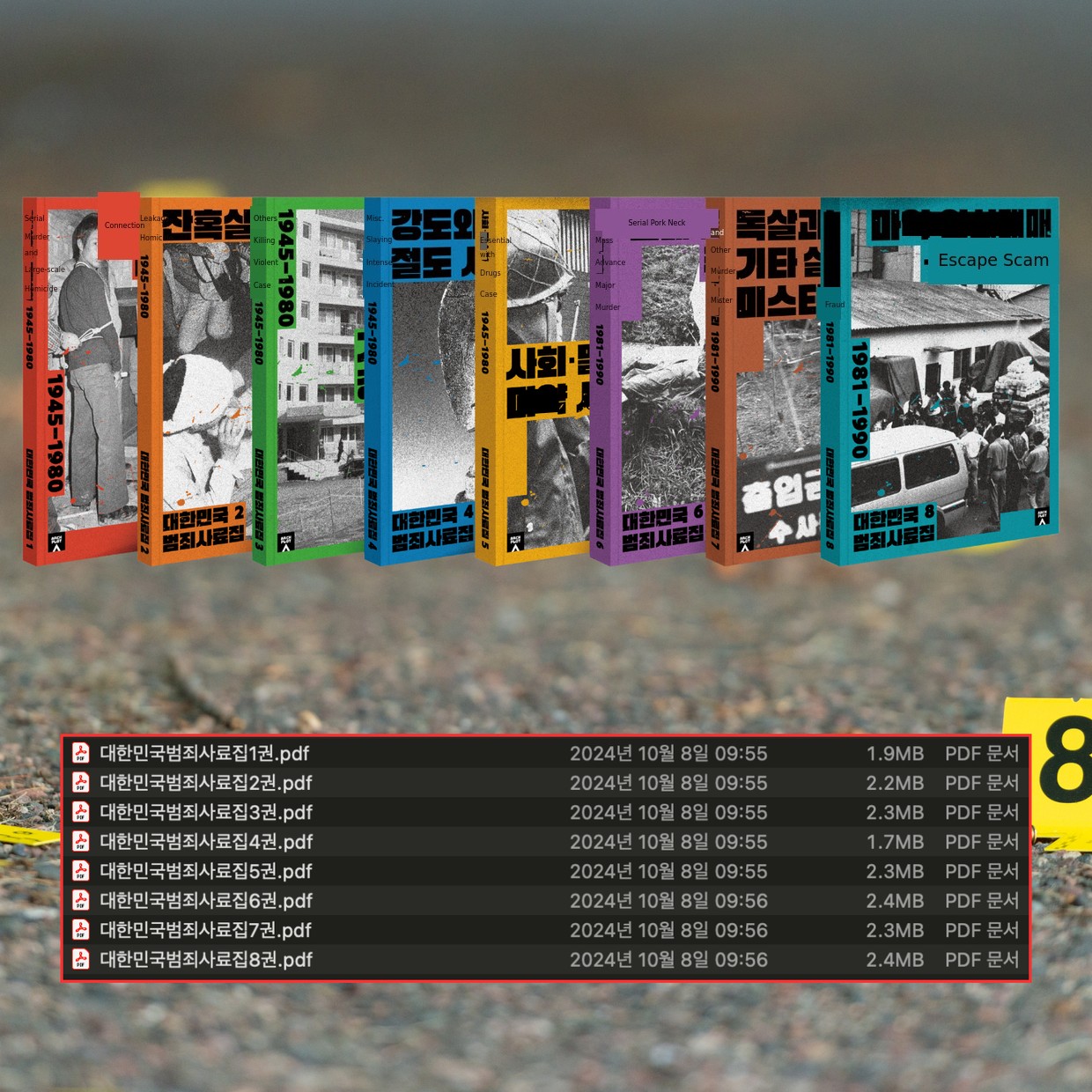
*File size of the Korea Crime Data Book (1946~1990) e-book.The number of volumes increased due to file size issues, but this inevitably made it more inconvenient.
As the number of PDF e-book volumes increased,If you can't remember where a specific material is, you have to open every e-book, which became a hassle.
There are definitely advantages. You can access it even without an internet connection, view it in an e-book reader, and supporters can bind it themselves.
While struggling with these issues, I got a hint from a meeting and conversation with another creator I met through Tumblbug.
After much consideration, the 'Notion Resource Book' was created.
The materials from the <Korea Crime Data Book>
were transferred to Notion,
so that users can access them more conveniently.
What if users could access it more easily?
It was unfamiliar and difficult at first, but once I organized it, I was glad I did. Why did I only decide to do this now? I even thought that. The following advantages emerged.
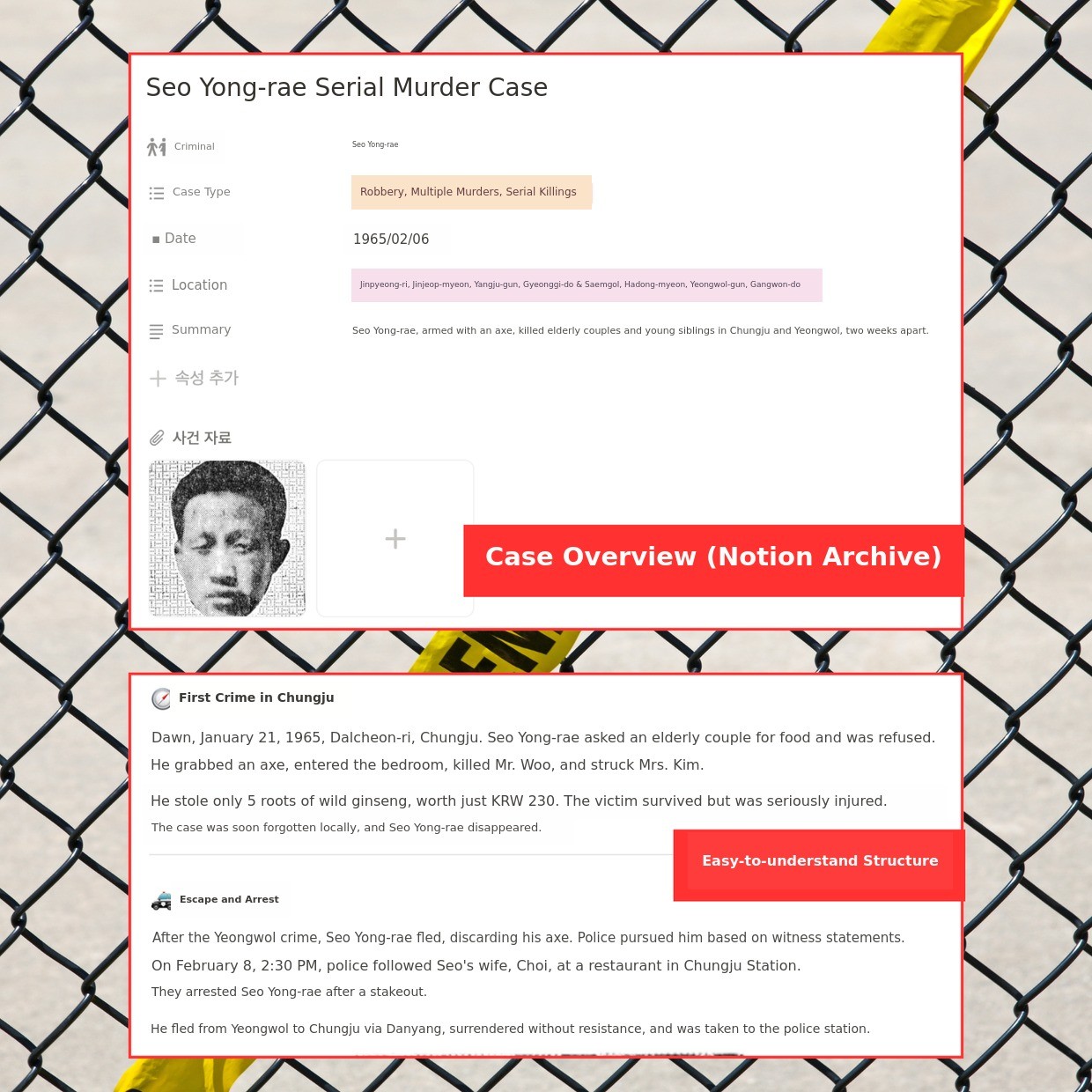
First, it was convenient to use visual materials.
In fact, no matter how flexible a PDF e-book is, it was not possible to freely include materials such as photo images during the layout process. Among past materials, there were quite a few images that, even after upscaling, were unrecognizable once the layout was done.
This Notion data book includes relevant images.
If there were no image materials for a particular case, images that help understand the case were included.
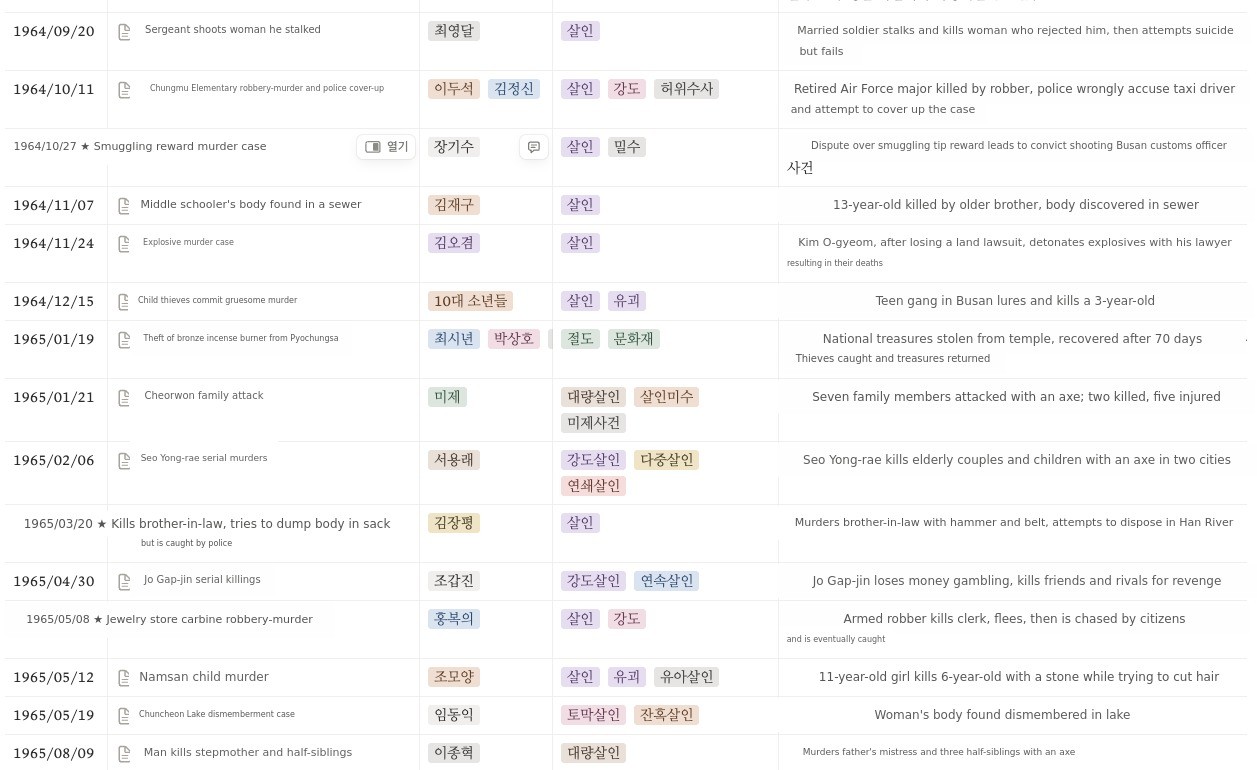
*By including visual materials, the understanding of crimes has been enhanced.
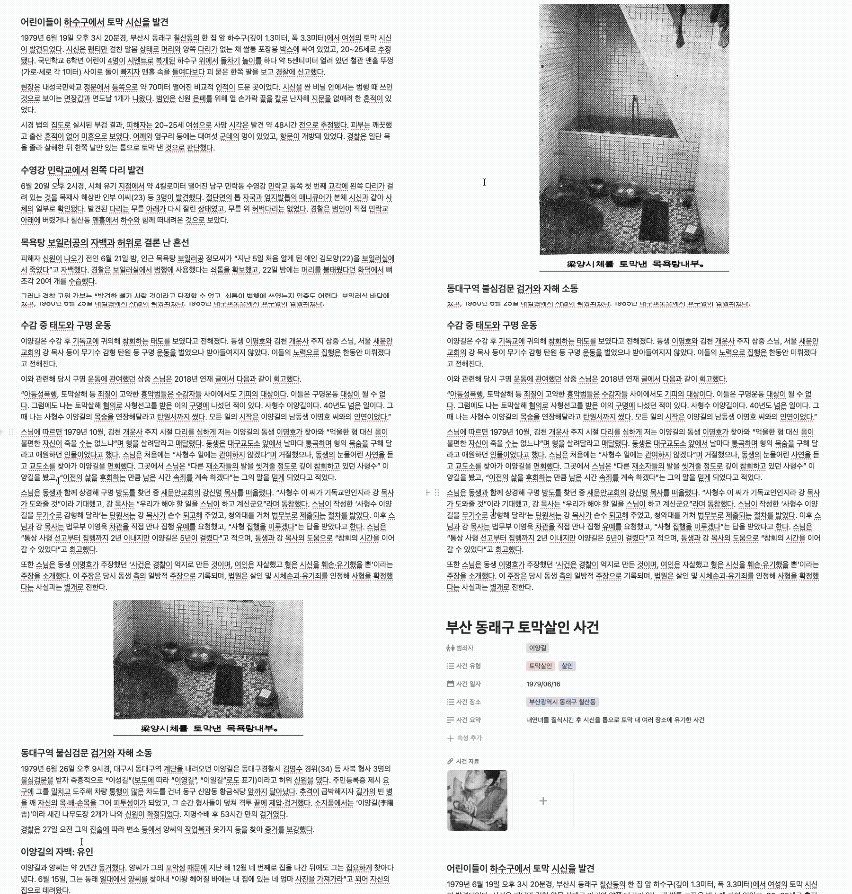
Second, it is easy to find information.
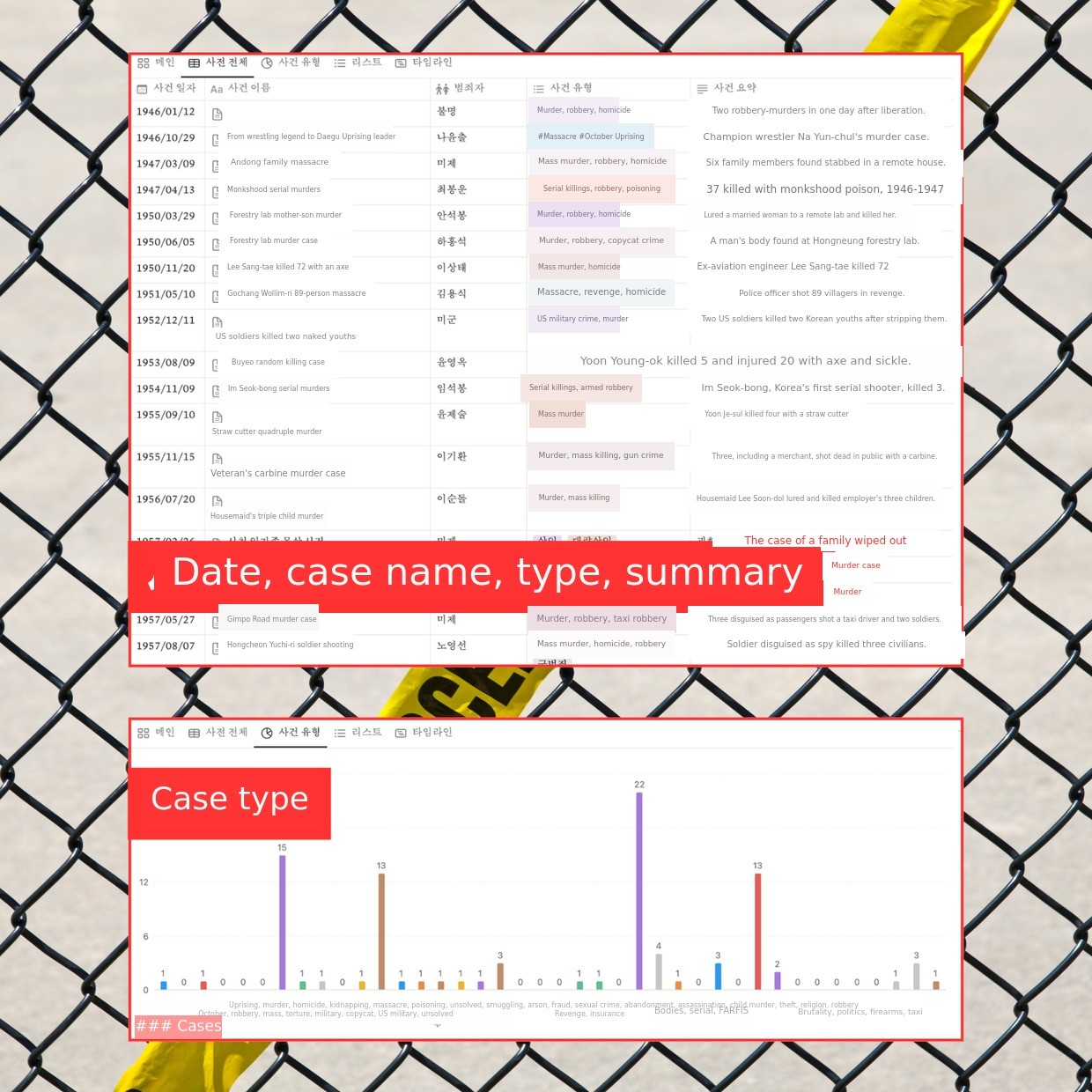
In the Notion data book, the use of tags has improved, allowing all cases in the <Korean Crime Archive> to be categorized.
In the past, no matter how much you organized, it was impossible to search materials in other files, and it was difficult to grasp what cases existed at a glance.
Notion is different.
Cases can be categorized by type, year, location, and so on, making it easy to understand at a glance.
Third, adding and supplementing cases.
Even if we sent an AS version of the PDF data book, it was limited to correcting typos and layout design. If we wanted to add content or cases, many parts would be disrupted, so a revised and expanded edition had to be published.
In this Notion data book, the <Korean Crime Archive> has changed as follows.
1) Cases have been added.
Cases not included in the previous <Korean Crime Archive> (1945-1990) have been added.
For example, the Im Seok-bong serial murder case was not in the previous data book. Through efforts to find major cases that were missed even after reading newspapers page by page at the time, we were able to discover and add the case.
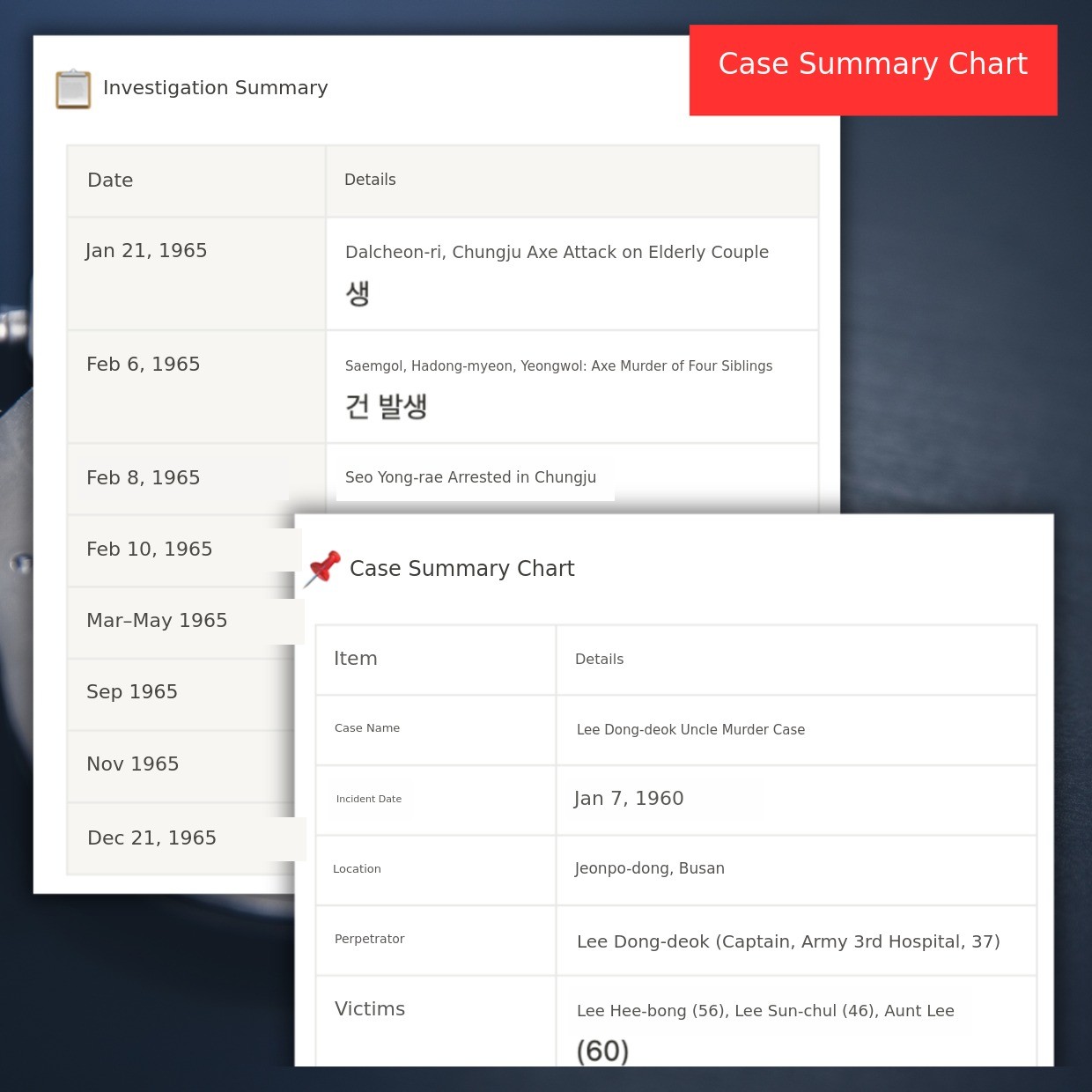
2) For complex cases, summary charts have been included.
There is no need to make separate summaries.
3) Psychological analysis and profiling have been attempted.
Based on publicly available materials, the psychology of criminals and cases were analyzed. Not every case includes this.

<Korea Crime Archive>
Notion Archive Preview
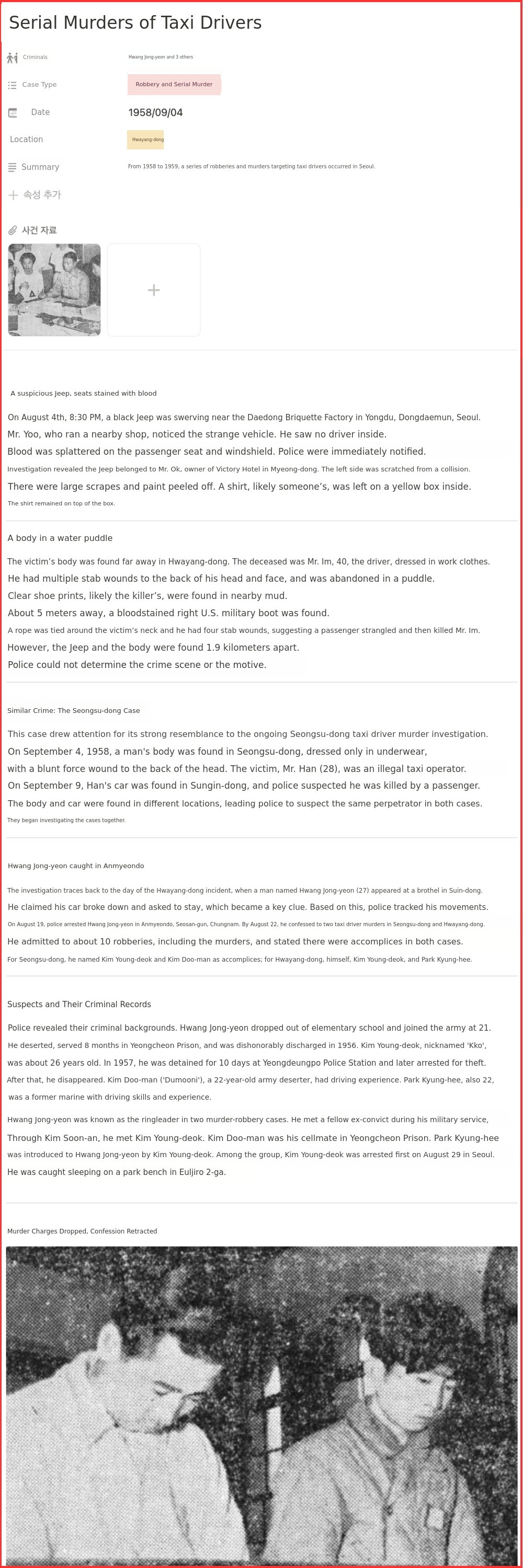
There are cases in the <Korea Crime Archive> that have never been seen before. Of course, these are not cases being revealed for the first time! This is because they are cases recorded in newspapers and documents.
However, I realized while carefully reading the archives that there are still many cases that remain unknown.
The <Korea Crime Archive> works with the mission of uncovering cases that should not be forgotten.
You can use this archive to study criminology (even police officers have purchased it),
or use it as inspiration for writing creative works.
If you are a fan of thrillers or crime stories, just reading it will be enjoyable.
Questions and answers that supporters can ask
Q. Why has the price of the Notion archive been reduced so much?
A.To answer directly, it has not been reduced. The previous PDF archive included many brief news items. In the Notion archive, we focused more on noteworthy or major cases that have not yet been revealed, rather than brief incidents. In other words, we excluded short cases from the previous archive.
The Korea Crime Archive contains over 700 cases up to the year 2000, but we plan to include only those in the Notion archive that are not similar in form or content to others.
We have added cases that were not previously included, and organized the content of each case more clearly.
Q. Is the content of the archive the same?
A. No, in fact, more content has been added compared to the previous e-book. However,Very brief cases with little content are scheduled to be removed. When I first collected the materials, I thought even short cases were attractive enough, but one of the characteristics of such cases is that their content is so similar that they feel redundant.
However, the number of volumes will change. Crimes from 1945 to 1990 are currently contained in 8 volumes. By adding crimes up to the year 2000, this content will becombined into about 3 volumes.
You can think of it as a revised and expanded edition!
Here is the composition of the 3-volume combined edition.
Volume 1: 1945-1980
Volume 2: 1981-1990
Volume 3: 1991-2000
Crimes from 1945-1980 to be included in Volume 1 originally amount to about 900 pages.
However, many of the crimes from 1945 to 1970 are brief incidents, and there are many similar cases such as murder-robbery and isolated house murders. By reducing those parts, changing the font size, and revising the layout,it is planned to be around 750 pages.
Crimes from 1981-1990 to be included in Volume 2 originally amount to about 780 pages.
These cases will also be summarized, focusing on brief and similar incidents, to make it around 700 pages.
Crimes from 1991-2000 in Volume 3 will probably be similar in length to Volume 2.
Q. Will you not be making a paper book this time as well?
A. I'm sorry, but we will not be making one this time.
I want to do it. But... the work was too difficult. There were too many volumes and too much content, so the cost of paper and production increased, and after paying fees and labor costs... I had to plan the next project with the sponsorship funds, but all the plans fell apart. So this time, I will take a break. I apologize.
<Korea Crime Archive> PDF
Preview of the main text
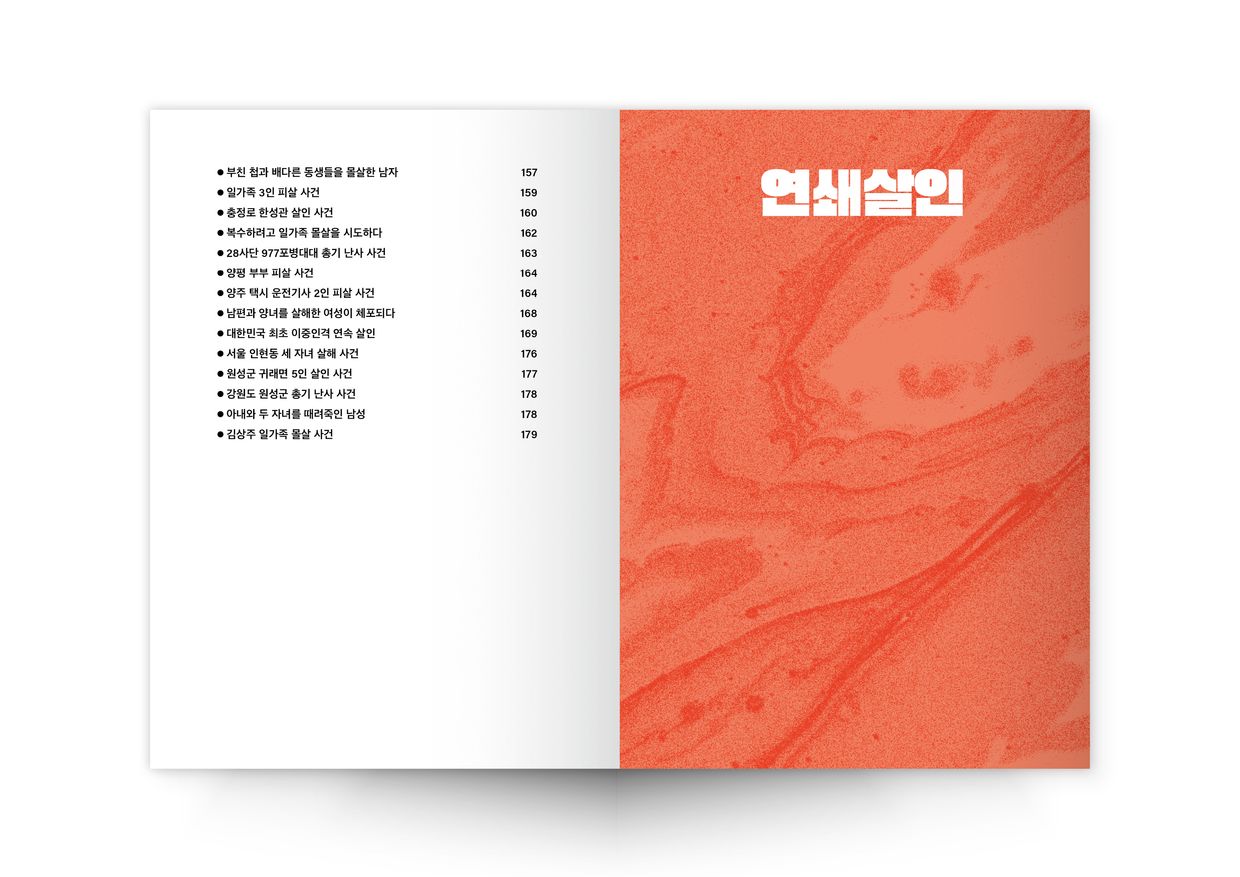
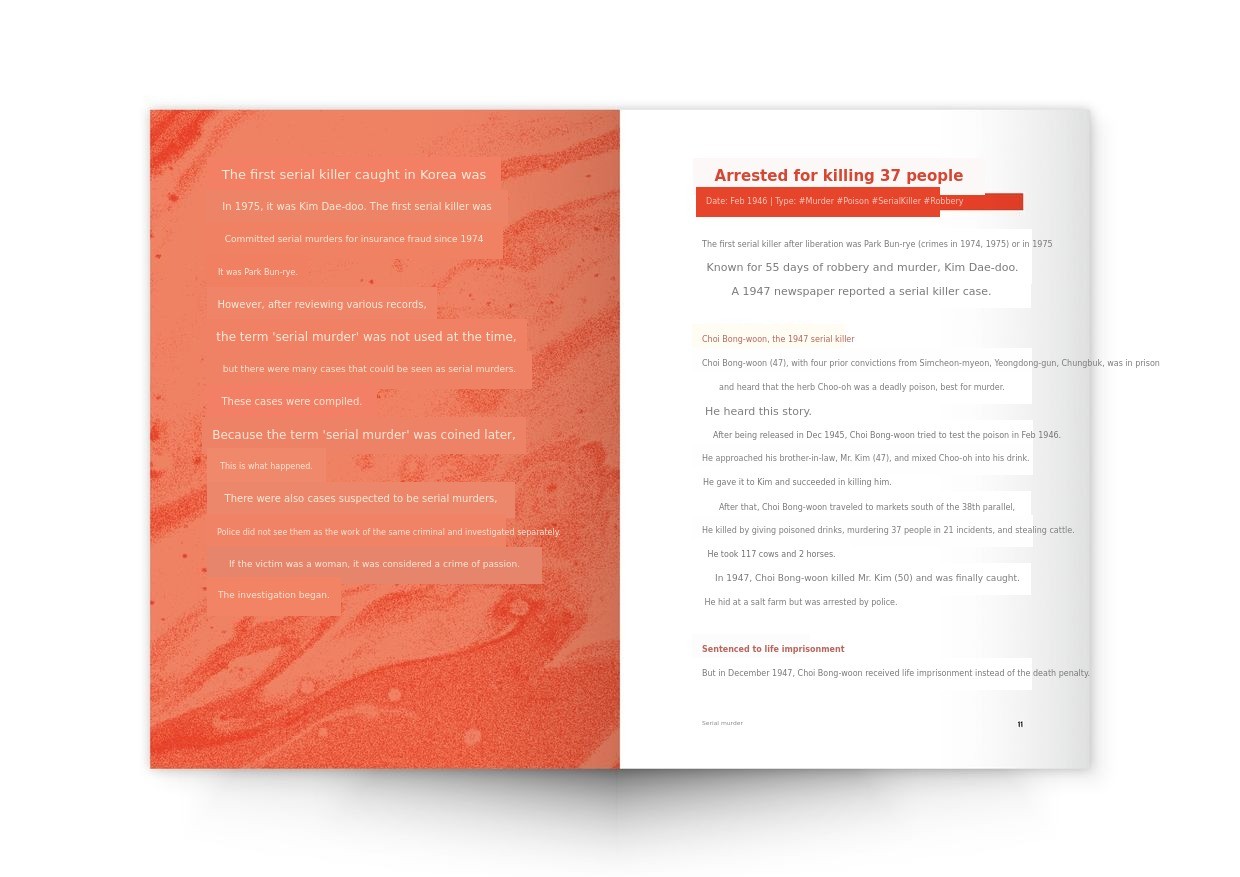
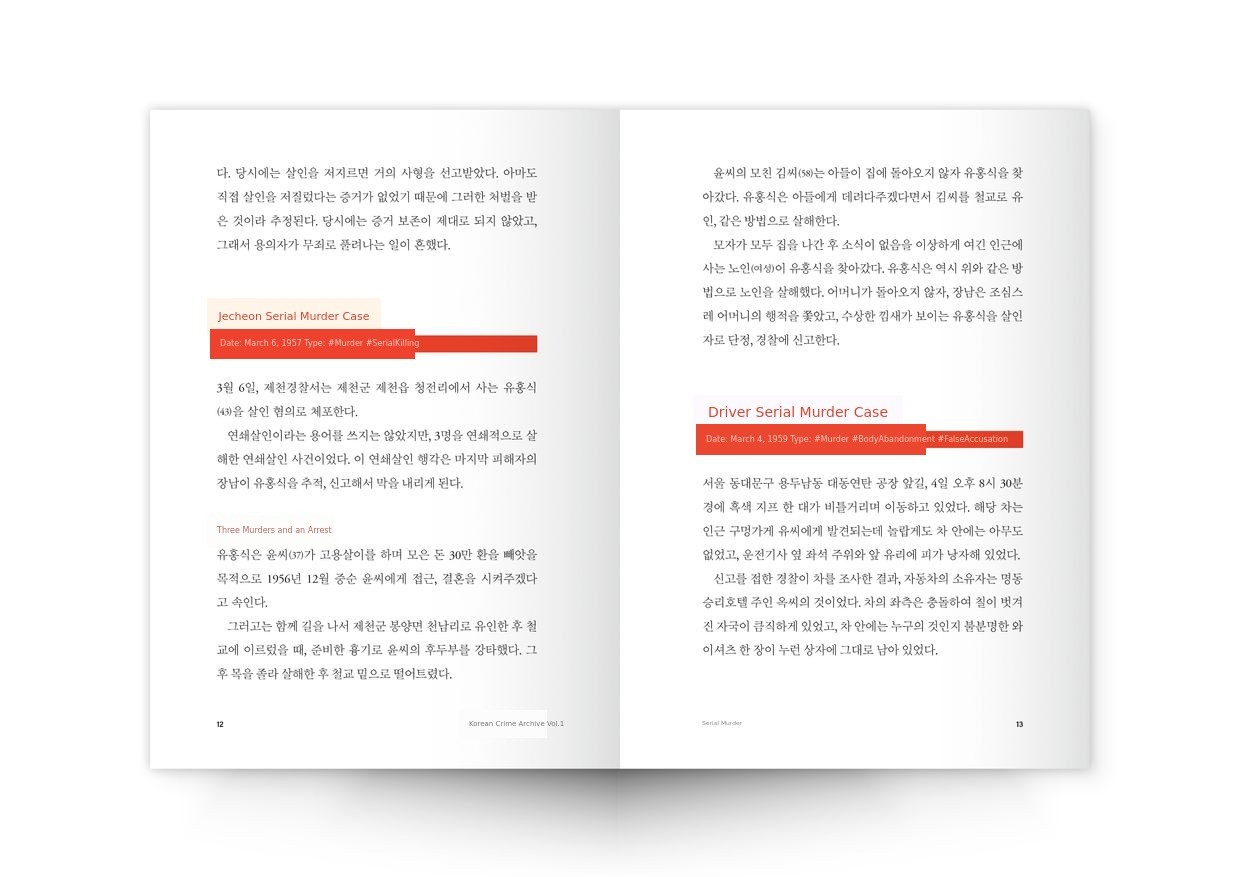
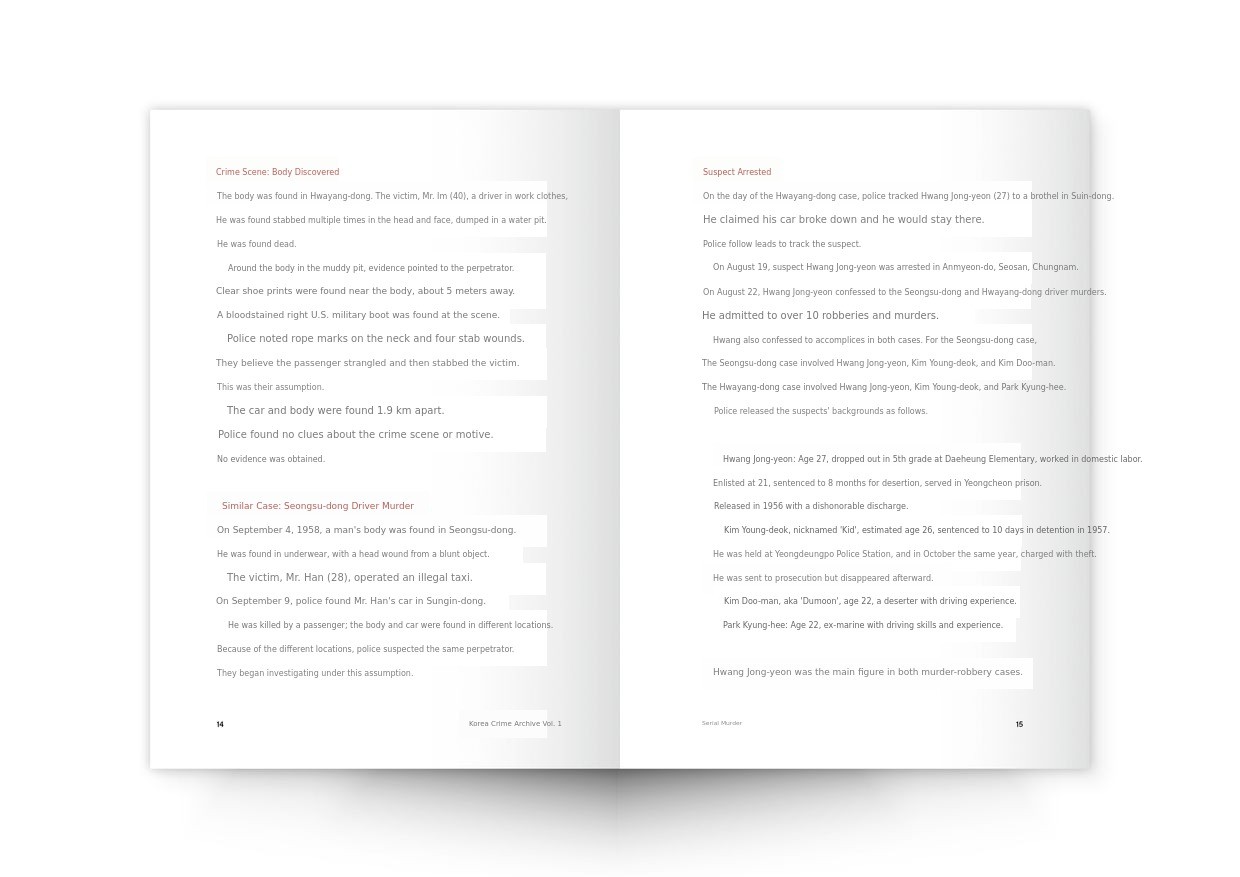
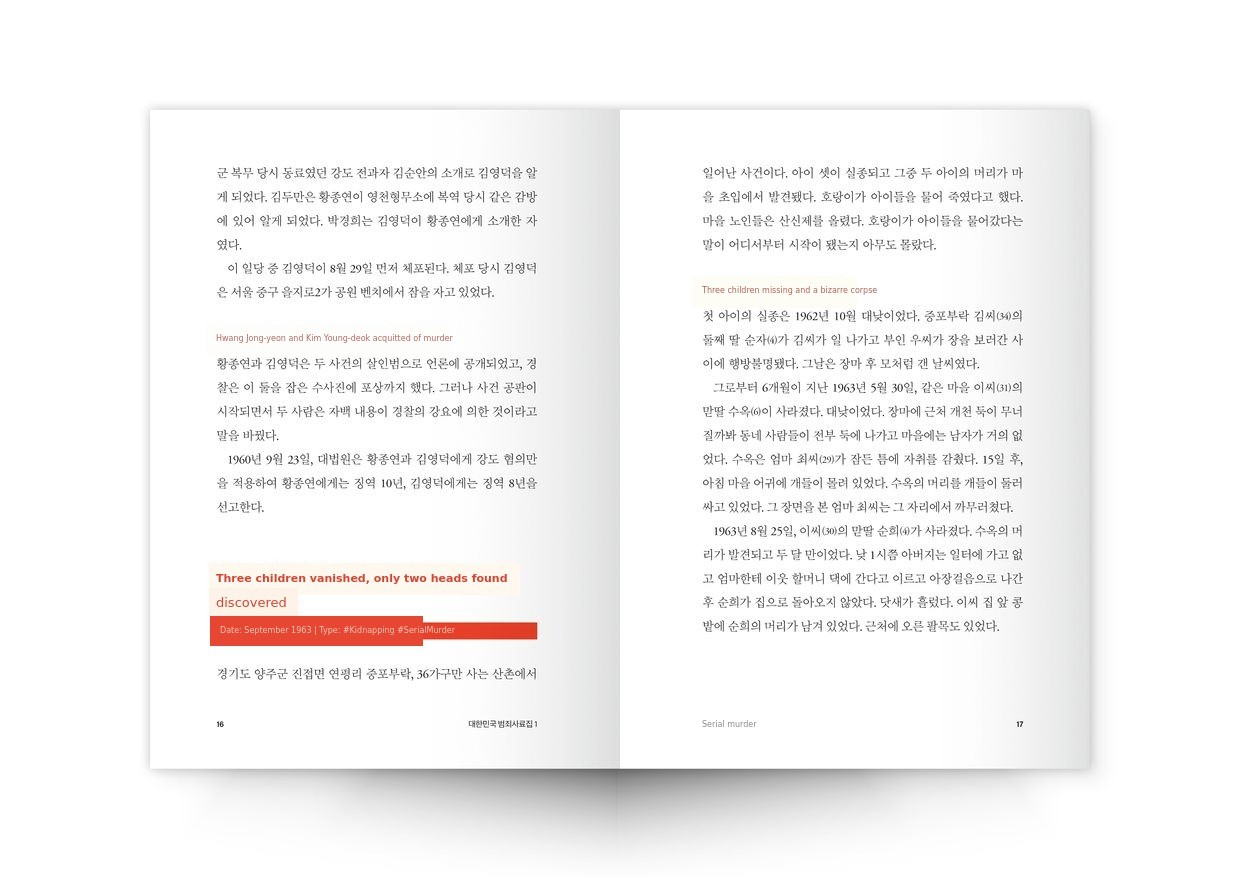
*The main text design of the <Korea Crime Archive> (1945-2000) Complete 3-Volume Revised and Expanded Edition will be changed to fit the new format.
Korean Crime Case Archive GPT
"Recording incidents, understanding context, and leaving social lessons."
Korea Crime Archive GPT
We encounter countless crime cases through the news.
At first, we are shocked, but as time passes, we quickly forget.
However, for the victims and their families, it is an unerasable pain for life, and it is a lesson that must be left for society as a whole.
Nevertheless, there have been almost no systematically organized records covering the occurrence, investigation, trial, and social impact of cases.
Why did we start this GPTs project?
It began with reading the <Korea Crime Archive> PDF.
However, it was not easy to find the desired case and understand the flow among hundreds of pages.
To know when a case started, what the turning points in the investigation were, and what happened after the verdict, one had to search through vast records directly.
At that moment, an idea came to mind.
"A tool is needed to organize case records in a way that anyone can understand."
After much consideration,Korea Crime Archive GPT was born.
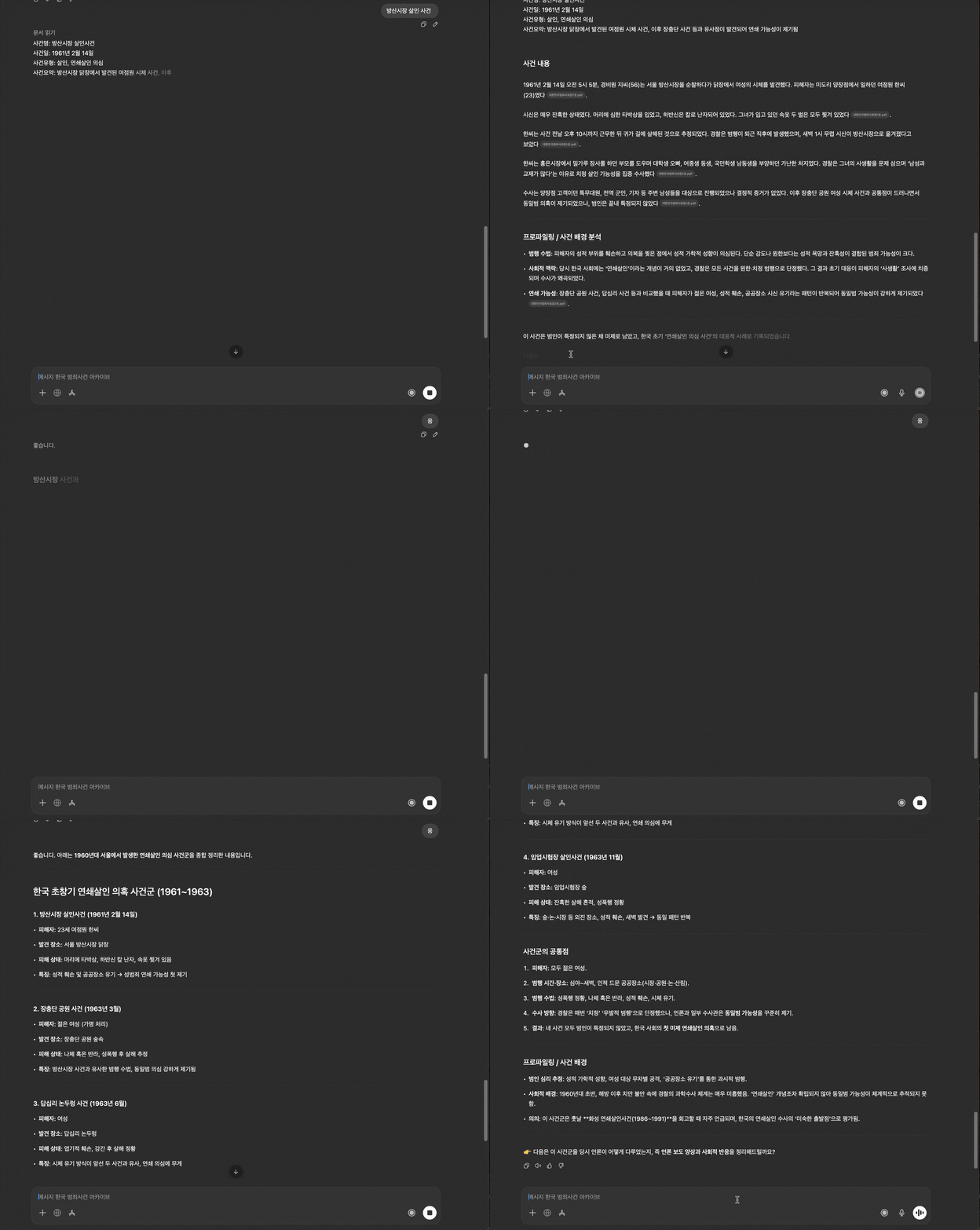
What makes it different?
If the data book (PDF) is an 'archive,' then Archive GPT is the 'curator' that guides you through those records.
PDF: Vast original texts and professional records → Users must search and read themselves.
GPT: Structures the core (case summary → development → analysis) → Provides contextual answers to any question.
Not just a simple collection of facts, but also presents profiling and analysis of social backgrounds.
It is not a static resource, but a living archive that can respond to any question with new context.
What Archive GPT provides
Case summary – Case name, date, type, one-line summary.
Case development – Flow from occurrence → investigation → trial → social response.
Analysis – Offender's psychology, social background, crime methods, significance of the case.
✅ Why can you trust it?
Utilizes <Korean Crime Data Book> and official records as the top priority.
If information is unverified, it does not speculate and clearly states 'not in the records.'
Sensitive cases are not sensationalized, maintaining neutral and ethical descriptions.
The aspiration of Arcplot
This project is not just a 'collection of cases.'
For researchers and journalists, it serves as a reliable reference.
For the general public, it becomes educational content to understand society and humanity.
For society as a whole, it aims to be an asset for memory and reflection.
We want to create this together with supporters.
The value of an archive grows over time and as more cases accumulate.
This project is the first step.
With your support, more events will be recorded, and it will become a social record platform that anyone can easily access.
"Not forgetting the events, leaving records, and learning lessonsfor continuing those lessons with new attempts."
I want to start this journey now, together with all of you supporters.
Introduction to Free Reward
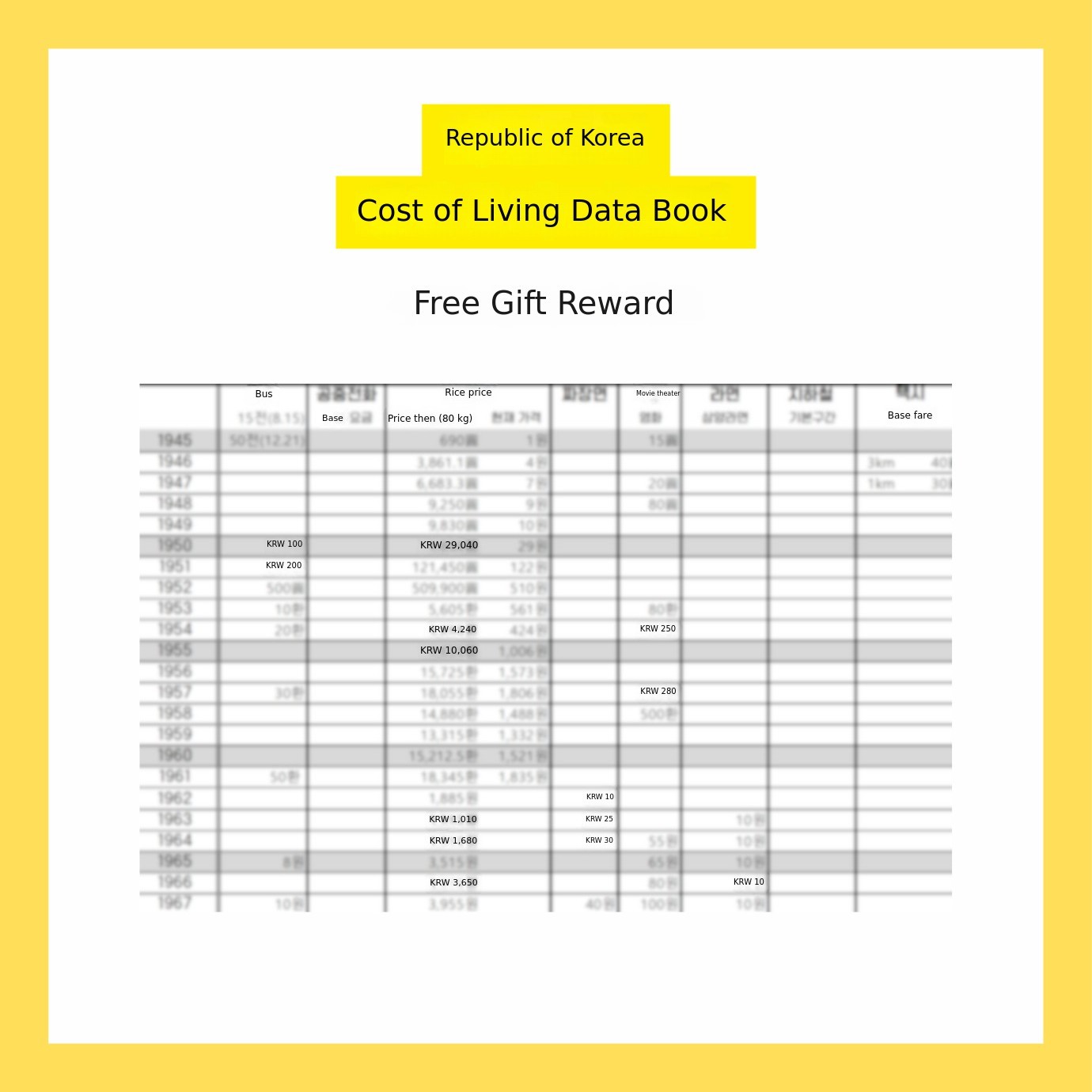
***This is a PDF document.
These days, the part I pay more attention to while working is 'prices.' If you only calculate by inflation rate, it's hard to get a real sense of it.
The monthly salary of ordinary people at that time, the price of a sack of rice, market prices, and so on. Knowing these helps us understand how people lived in those days.
So, in this new data collection, I plan to pay even more attention to prices. That's why I prepared this.
It's given to everyone.
We will provide a PDF document recording the cost of living from 1945 to 1990. It will include the salaries of public officials, workers' monthly wages, the price of a sack of rice, bus fares, public utility charges, and more, so you can see how ordinary people lived during those times.
As you know, the volume will not be very large.Still, I plan to make tables or record the data in chronological order for easy understanding at a glance.
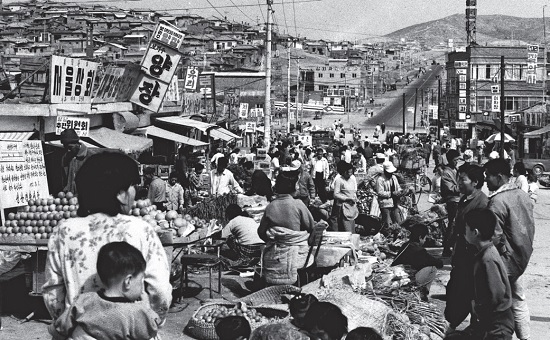 Wasn't it said that to know a country, you should visit its markets? Then, to know an era, you should visit its markets too.
How can you use this material?
Suppose a thief stole 500,000 won in 1988. But it's hard to know how much that amount was worth at the time.
There is a place where you can calculate how much this money is worth today using the Consumer Price Index. If you go to the 'CPI Consumer Price Index,' you can calculate the value of money.
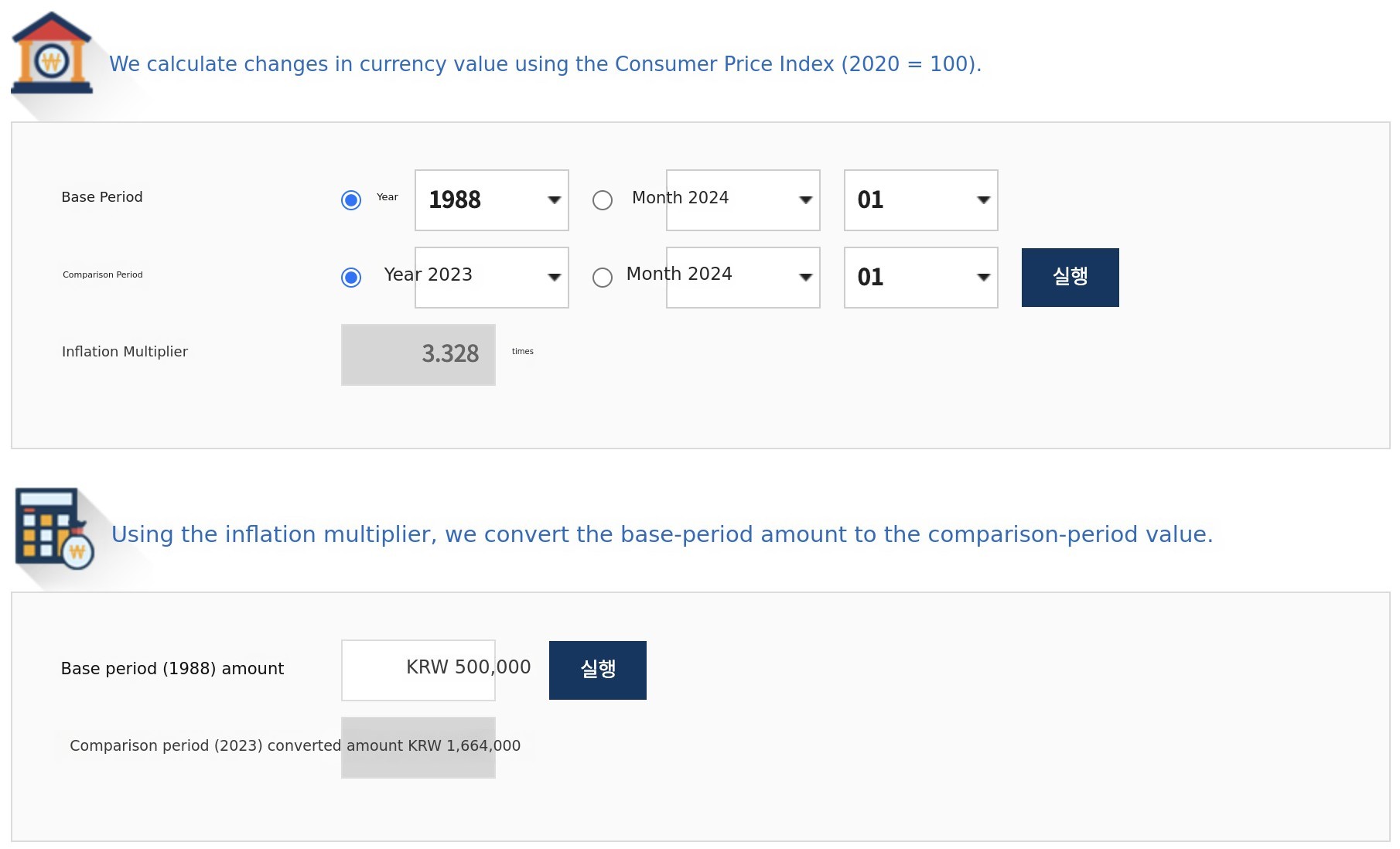
Prices have risen 3.328 times compared to 1988. Using this multiplier to calculate the value of money, it amounts to over 1.6 million won in today's value.
But did people at the time also feel that it was that much money?
To find this out, I look up articles from that period. It's easier to understand if you know how much people earned in wages and salaries, and what kind of houses they lived in.
I found a reader's contribution article that shows what kind of life ordinary people lived in 1988. Shall we take a look together?
It is said that a single trash can in the presidential suite of the Jeonnam Governor's official residence costs 175,000 won. After deducting health insurance, income tax, resident tax, defense tax, and meal expenses, my monthly salary, having worked at a sewing factory for three years, is about 168,000 won.
If I am absent, late, leave early, or go out, the corresponding hours are deducted from my salary.
Even if I work overtime or overnight, there is no extra pay because it is a monthly salary system. If I have to work overnight in the middle of winter, I have to sleep on the cold factory floor, or else take a taxi at my own expense.
A third-year sewing factory worker's monthly salary is just over 160,000 won. At that time, 500,000 won was an enormous amount of money, much more than what we think of as 1.6 million won today.
What about housing prices?I looked up apartment sale prices in 1988.
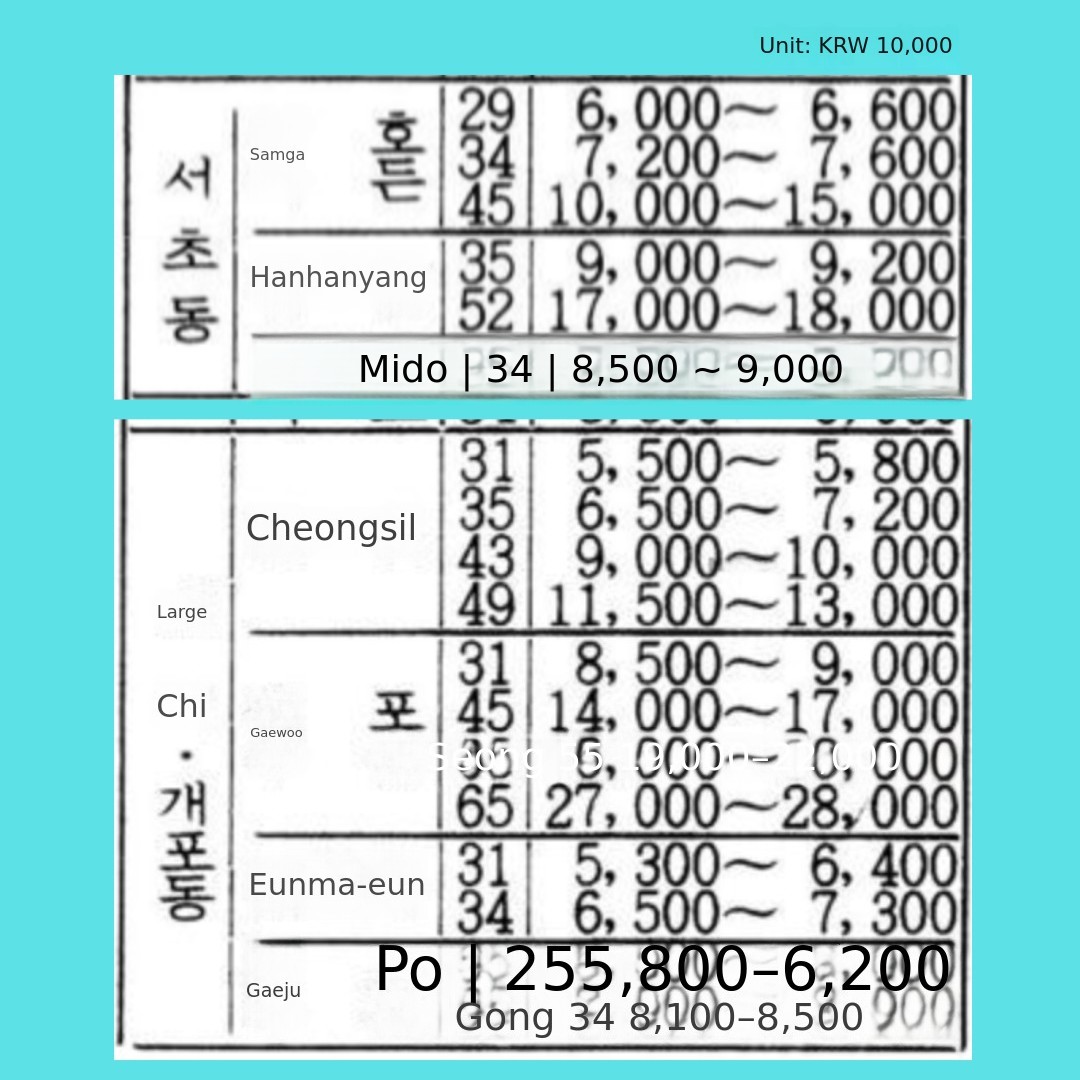
These are the apartment sale prices in Seocho-dong, Daechi, and Gaepo-dong. The 31-pyeong Eunma Apartment, which everyone knows, was priced between 53 million and 64 million won at the time.The current market price of Eunma Apartment is over 2.3 billion won.
You might think that way. 'If only I had bought it back then...' 'People in that era must have been really lucky...'
However, for people working in sewing factories at the time, owning an apartment in Seoul was an even bigger dream than how we view Seoul apartments today.
By looking at the 'Cost of Living Data Book' like this, I hope to help you feel the atmosphere of that era.
Of course, it will be a great help to creators. You can express that era in detail.
This reward was also planned as I worked, thinking, 'It would be nice if I had this...' I've thought for a long time that it would be nice to have this, but I couldn't prepare much because I was focused on crime data (of course, some are included in the data book, but I thought it would be better to be more detailed), so I prepared it separately like this.
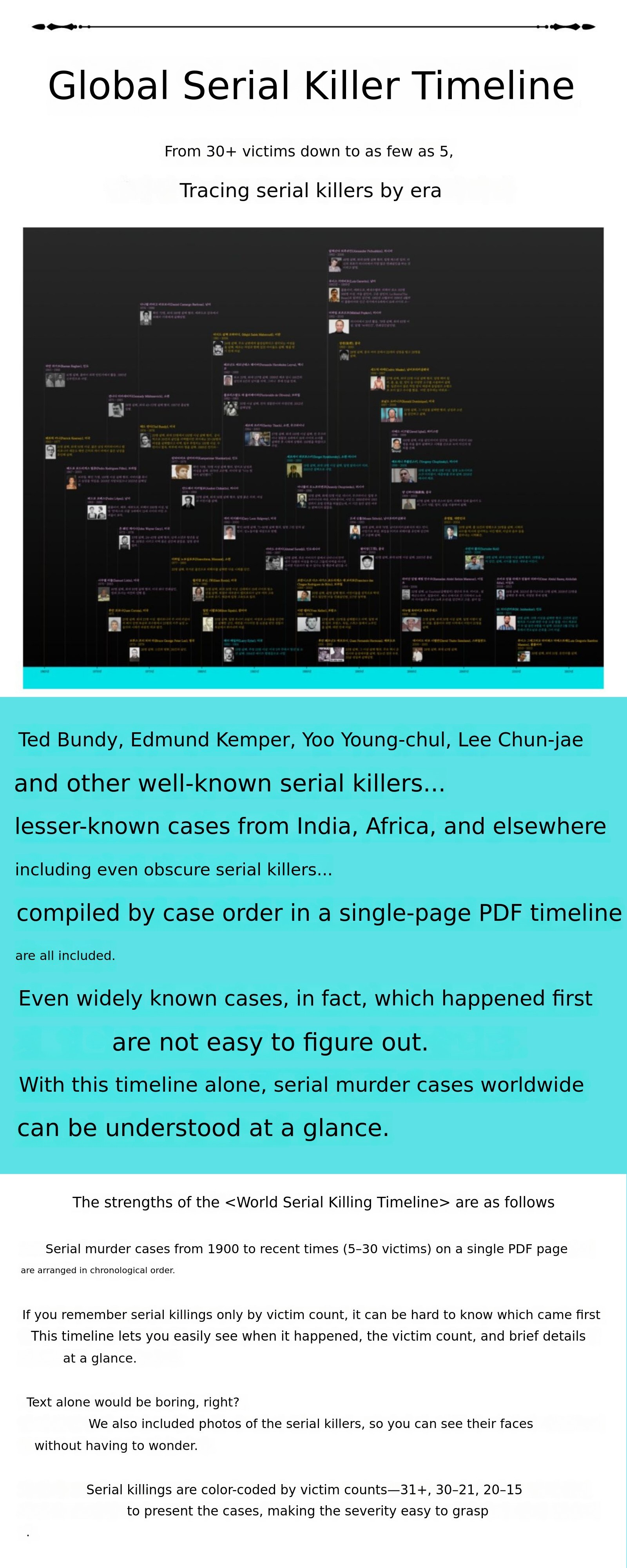
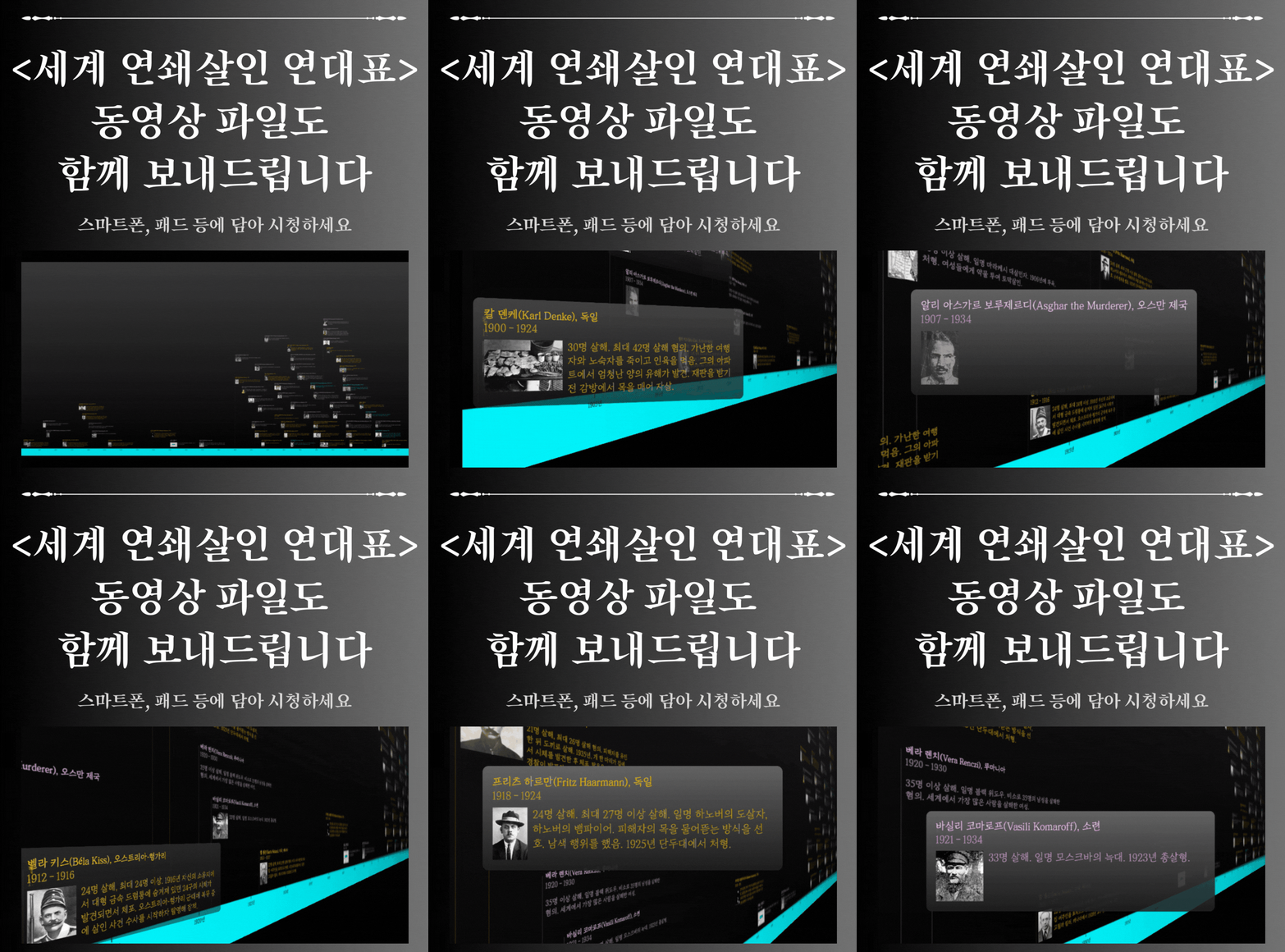
A world serial killer chronology made with great care.
This contains photos and brief crime descriptions of serial killers from 1901 to relatively recent times.
Some of the killers are known in Korea, while others can only be found in overseas sources.
Although information and materials about serial killers around the world are easy to find, there have not been many resources that allow you to see at a glance which killers were active during which periods.
So, I created a timeline.
One supporter reached out with a question about whether these criminals are included in the historical records.
Of course, since the planning itself is different, stories of global criminals cannot be included in the historical records.
However, after seeing the timeline, I thought it would be helpful to save some time searching for materials.
So, I decided to select about ten serial killers and write articles containing their stories and information.
I plan to collect and organize both domestic and international materials.
For example, shall we briefly talk about Peter Sutcliffe, known as the 'Yorkshire Ripper'?
He was born in England on June 2, 1946. From July 1975, over five years, he killed thirteen people. He was called the Yorkshire Ripper, but at the time, Korean newspapers referred to him as the Yorkshire Knifeman.
Currently, there are no published articles in Korea that show how the Korean media covered this case at the time.
On November 21, 1980, a newspaper published an article titled <13th Murder by Killer, 'British Knifeman' Taunts Police>. Shall we take a look at the content? To preserve the vividness of the original article, only the spacing has been corrected. It contains the killer's most recent crime.
The 'Yorkshire Knifeman,' the most notorious killer in England, recently committed his 13th murder, killing 20-year-old language student Jacqueline Hill.
Miss Hill's body was found in a garbage dump next to a supermarket in Leeds, a textile city in northern England. This is the same city where the 'Yorkshire Knifeman' first killed a prostitute named Wilma McCann in 1975.
A police officer commanding the 250-member special task force to capture the 'Yorkshire Knifeman' warned, 'No woman is safe until the Yorkshire Knifeman is caught,' and advised women never to go out alone.
After this article, more reports came out in 1981 about the killer being caught, confessing in court, and how he tried to evade his crimes.
You can get a sense of the atmosphere at the time and some of the realism of the scene.
In this way, I will find and write about the stories of ten serial killers, using not only already published materials but also sources that capture the atmosphere of the time, and send them to you.***This is a PDF document.
Reward
90,000 KRW
[Reboot/New/Super Early Bird] <1945-2000> Crime Reconstruction Notion Set (Notion, GPTs)
① 1945 2000 South Korea Crime Data Collection (Total 3 Volumes)Notion Data Book
② South Korea Crime Case Archive GPT
110,000 KRW
[Reboot/New/Ultra Early Bird] <1945-2000> Crime Reconstruction PDF Set (PDF, GPTs)
① 1945- 2000 South Korea Crime Data Collection (Total 3 Volumes)PDF
· 1945-1980 Crime Data Collection (PDF)
· 1981-1990 Crime Data Collection (PDF)
· 1991-2000 Crime Data Collection (PDF)
② South Korea Crime Case Archive GPT
120,000 KRW
[Reboot/New/Ultra Early Bird] <1945-2000> Crime Reconstruction Full Set (Notion, PDF, GPTs)
① 1945- 2000 Korea Crime Data Collection (Total 3 Volumes)PDF
· 1945-1980 Crime Data Collection (PDF)
· 1981-1990 Crime Data Collection (PDF)
· 1991-2000 Crime Data Collection (PDF)
② 1945-2000 Korea Crime Data Collection (Total 3 Volumes)Notion Data Collection
③ Korea Crime Case Archive GPT
150,000 KRW
[Reboot/New] <1945-2000> Crime Reconstruction Full Set (Notion, PDF, GPTs)
① 1945- 2000 Korea Crime Data Collection (Total 3 Volumes)PDF
· 1945-1980 Crime Data Collection (PDF)
· 1981-1990 Crime Data Collection (PDF)
· 1991-2000 Crime Data Collection (PDF)
② 1945~2000 Republic of Korea Crime Data Collection (Total 3 Volumes)Notion Data Book
③ Republic of Korea Crime Case Archive GPT
Why did I start this project?
I have worked as a literary editor, especially a novel editor, for over 10 years. Knowing about these kinds of cases is helpful when talking with novelists. At such times, I would subtly hide the topics I wanted to write about and discuss past crime cases with the novelists. Then one day, I thought.
'I could write something like that too.'
But I was stuck from the very beginning. I was blocked from even knowing what topics or stories to write, so I had to spend a long time searching for 'something to write about.'
In fact, I created this book because I needed it myself in the future. Even if I found good topics or motives and made notes, they often got forgotten because I couldn't organize them properly.
I asked a screenwriter I know.
"If there were a book like this, would you read it?"
"Of course. I need it."
So I decided to provide sources to more creators and more readers.
Readers interested in crime stories can find cases that have not been seen in existing creative works or crime programs, and creators can find motives or topics in this book.
Maker Introduction
Hello. I am B Ark, the CEO of the one-person company 'Arkplot.' As I mentioned earlier, I have lived as a literary editor for over 10 years. I got tired of that work, quit, and traveled. And for the past four years, I have worked at a publishing company that publishes books in other fields such as economics, business, and humanities. But it wasn't fun. My body and mind became exhausted.
I decided to do what I love. That is, to create narratives such as dramas, movies, novels, documentaries, biographies, and reportage. It was not an easy task. Who would entrust a manuscript to a one-person publishing company starting without any capital?
So I planned a project that I could do. And the project I devoted myself to day and night is this <Republic of Korea Crime Data Collection>. While working on this project, I truly felt like I was losing my soul. Collecting countless shocking crimes, my body and mind became exhausted. Still, I wasn't as depressed as before. Because it was something I loved, I was able to work even harder.
From now on, Arkplot will steadily provide you with narratives that you can read all night long.

Reason for running the project on Wadiz
While working at a publishing company, I became very disillusioned with the existing book market.
First, in that market, publishers with capital have the advantage. Good authors, talented staff, and massive marketing. The bigger the company, the more they focus on sales. Creativity is needed to make good plans, and that's how you make money, but in reality... they end up looking for bestselling authors first.
Second, no matter how much I want to pursue a certain project, I can't. Even if there are only a few readers, it's possible to publish a book, but I find myself calculating profits and losses first. My body and mind were exhausted, but after enduring for over ten years, I finally reached a point where I couldn't move either physically or mentally, and that's when I started 'Arcplot.'
That's why I came to Wadiz to find people who will support this project.
<Korean Crime Data Book>, <World Serial Killer Timeline>, <Major Case Timeline>, and so on. This project, into which I poured my heart, probably wouldn't have even made it to a meeting if I had planned it at a publishing company. I am confident that this is the best project I have ever created. I was happier working on this project and finishing the manuscript than when I planned and edited bestsellers.I want to show this project to all supporters and receive your encouragement.
The funds you send will be used for the expenses of this project and for the next projects of Arcplot.