 YULART
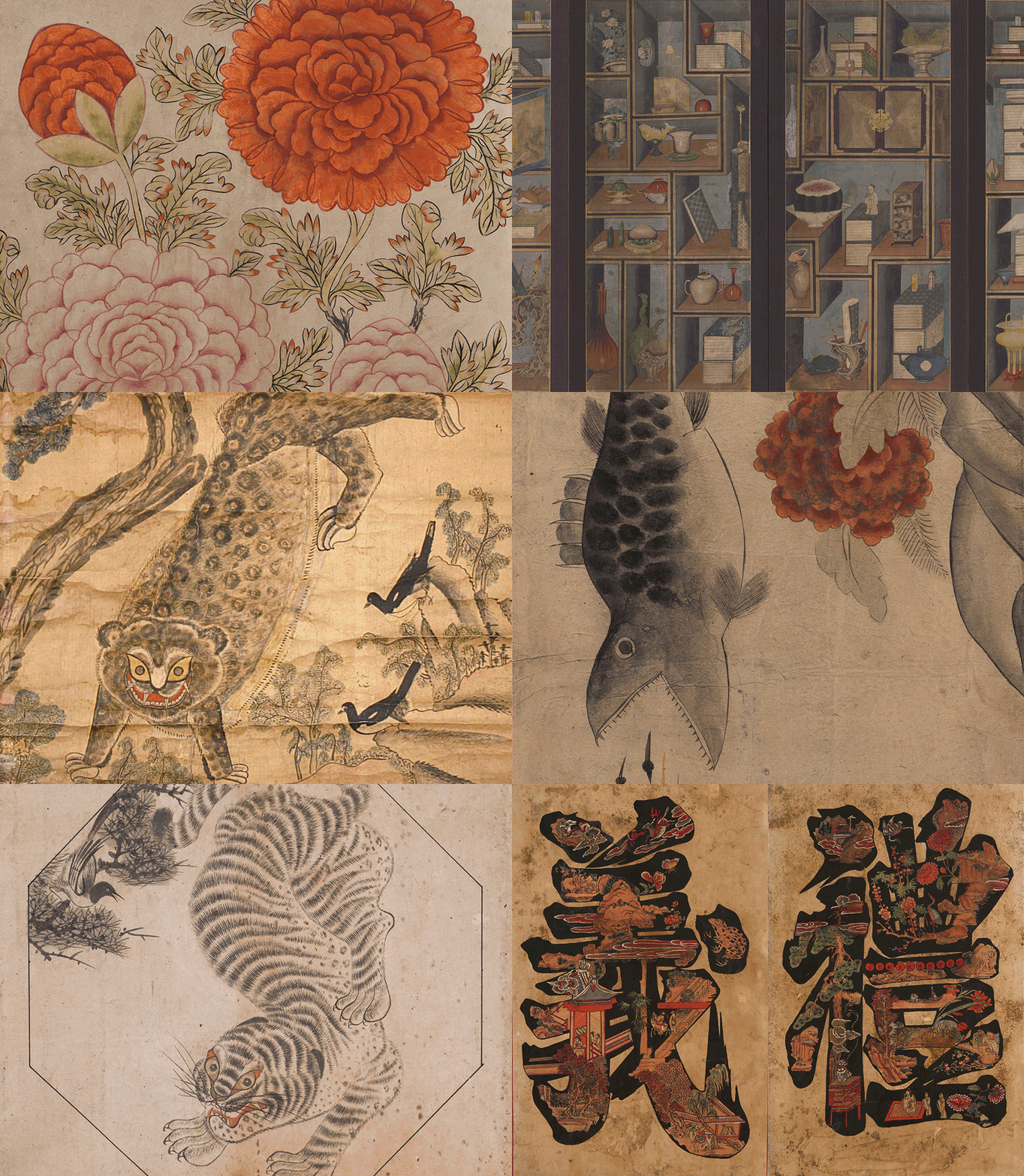
The last royal court painter of the Dohwaseo, the government office responsible for painting during the Joseon Dynasty,
Sourim Jo Seok-jin (Sourim Jo Seok-jin, 1853~1920), his direct grandson,
Unjeon Jo Gwang-jun (Unjeon Jo Gwang-jun, 1890~?), the unpublished <Geumgangsando>,
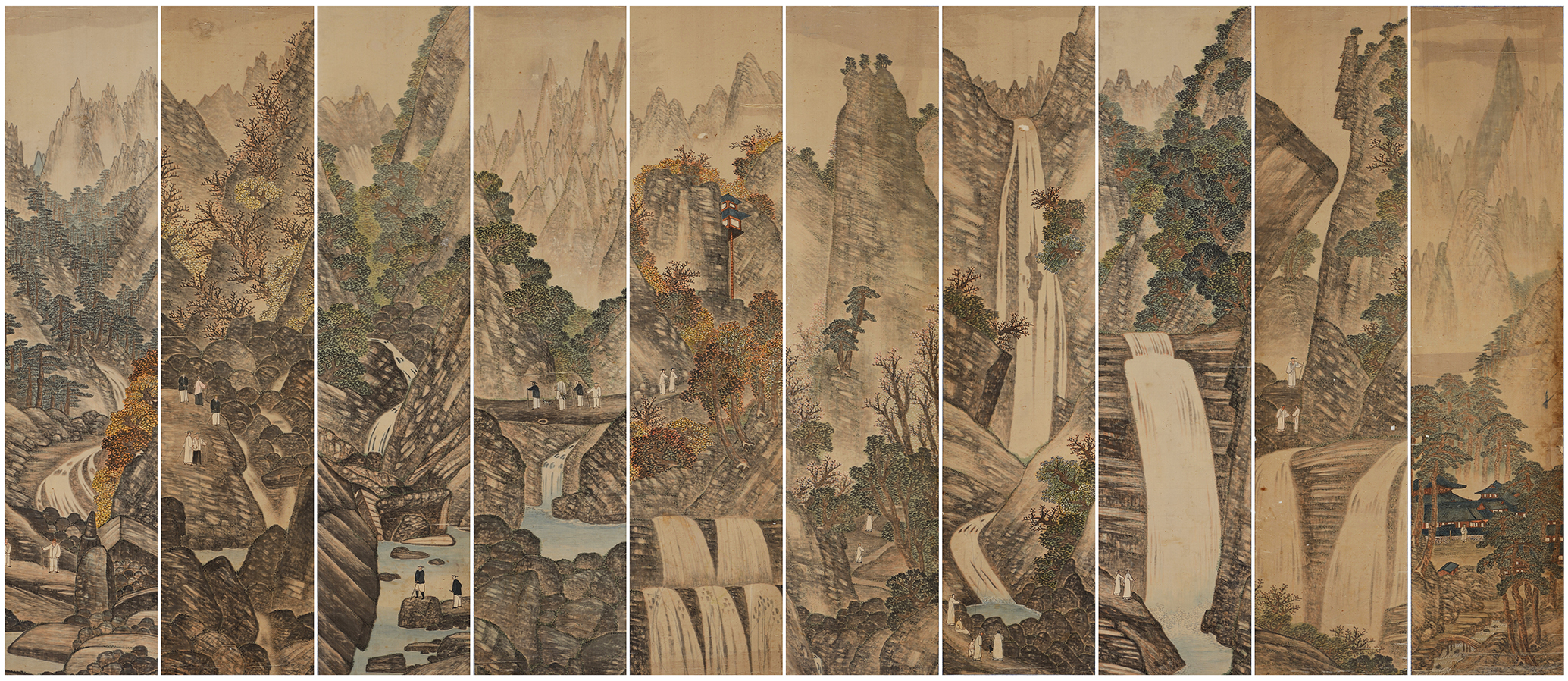 Jo Gwang-jun, <Geumgangsando>, early 20th century, color on silk, each 141×30cm, collection of the Korea Minhwa Museum.
The maternal grandson of Jo Seok-jin, well known for his Jeokmuk and Pamuk techniques,
Sojeong Byeon Gwan-sik (Sojeong Byeon Gwan-sik, 1899~1976), who studied painting under his grandfather Jo Seok-jin together with Jo Gwang-jun, Jo Gwang-jun's
ten-panel folding screen of <Geumgangsando> depicting real scenery,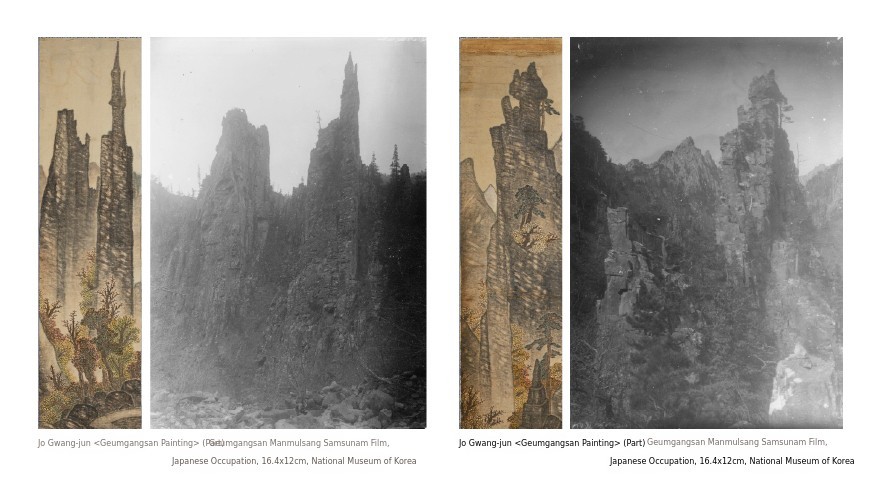
The popular Geumgangsan tourism culture of the time,
The trend of realistic landscape painting through sketching from life,
Jo Gwang-jun's unique brush and ink techniques,
are vividly conveyed to us living today.
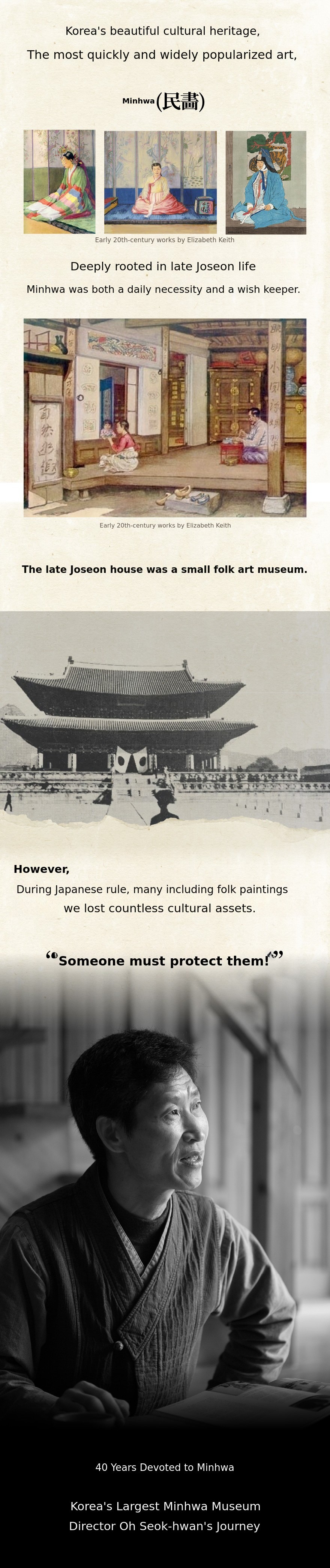
What is Minhwa?
After the Imjin War (1592~1598) and the Byeongja Horan (1636~1637), in the late Joseon period, society faced great changes.
The ruling class, seeking to restore order, emphasized practical Confucianism, and Confucian thought permeated daily life.
The class system also underwent significant changes, especially as the development of agricultural technology and the commodity distribution economy in the 18th century led to the rise of technical professionals, local clerks, and the emergence of wealthy merchant classes.
As a result, new cultural forms such as pansori and Korean novels were created.As painting, once considered the exclusive property of the upper class, became more widespread, the demand base expanded.
The expansion of the demand base meant a rapid increase in demand. Decorative court paintings, once used to adorn the royal palace, were no longer the exclusive property of the king or high-ranking officials favored by the king.
Now,They, too, who had acquired capital, needed paintings with auspicious meanings to bring blessings and ward off misfortune, and developed a desire to own them.
And it is at this point that folk paintings were born.
So, are folk paintings truly the exclusive art of commoners?
A significant number of the paintings sold at the Gwangtonggyo market, such as Baekdongjado and Sinseondongjado, were works of high artistic skill enjoyed by the upper class, as well.
In addition, among existing works, there are many that, while not following the format of court decorative paintings, appear to have been painted by artists from the Dohwaseo.
It is true that most of the works were created by amateur or itinerant painters who had not received formal training,but this suggests the possibility that artists from the Dohwaseo participated in the process of making paintings, once exclusive to the royal family and the ruling class, more widely accessible. This is such a scene.
Characteristics of folk paintings
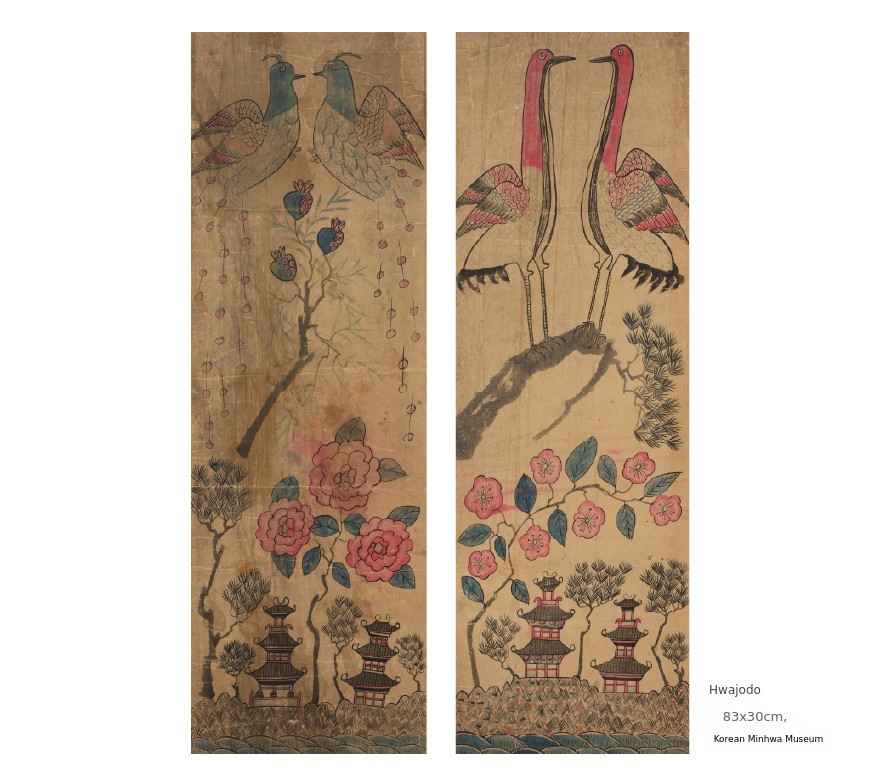
Among the pictorial features in folk paintings,the most notable is 'emphasis'.
In folk paintings,the main features are highlighted to make it easy for viewers to recognize what is depicted, and anything that might obscure the central image is simply omitted.
Of course, the background color is not painted either. What mattered was the meaning carried by the image. That is all.
So, whether the image was awkward or sophisticated, artistic skill was not an issue.
As long as the image was recognizable enough to know it brought blessings and warded off misfortune, that was sufficient.
In the end,it means that the story and meaning contained within are important. That is all.
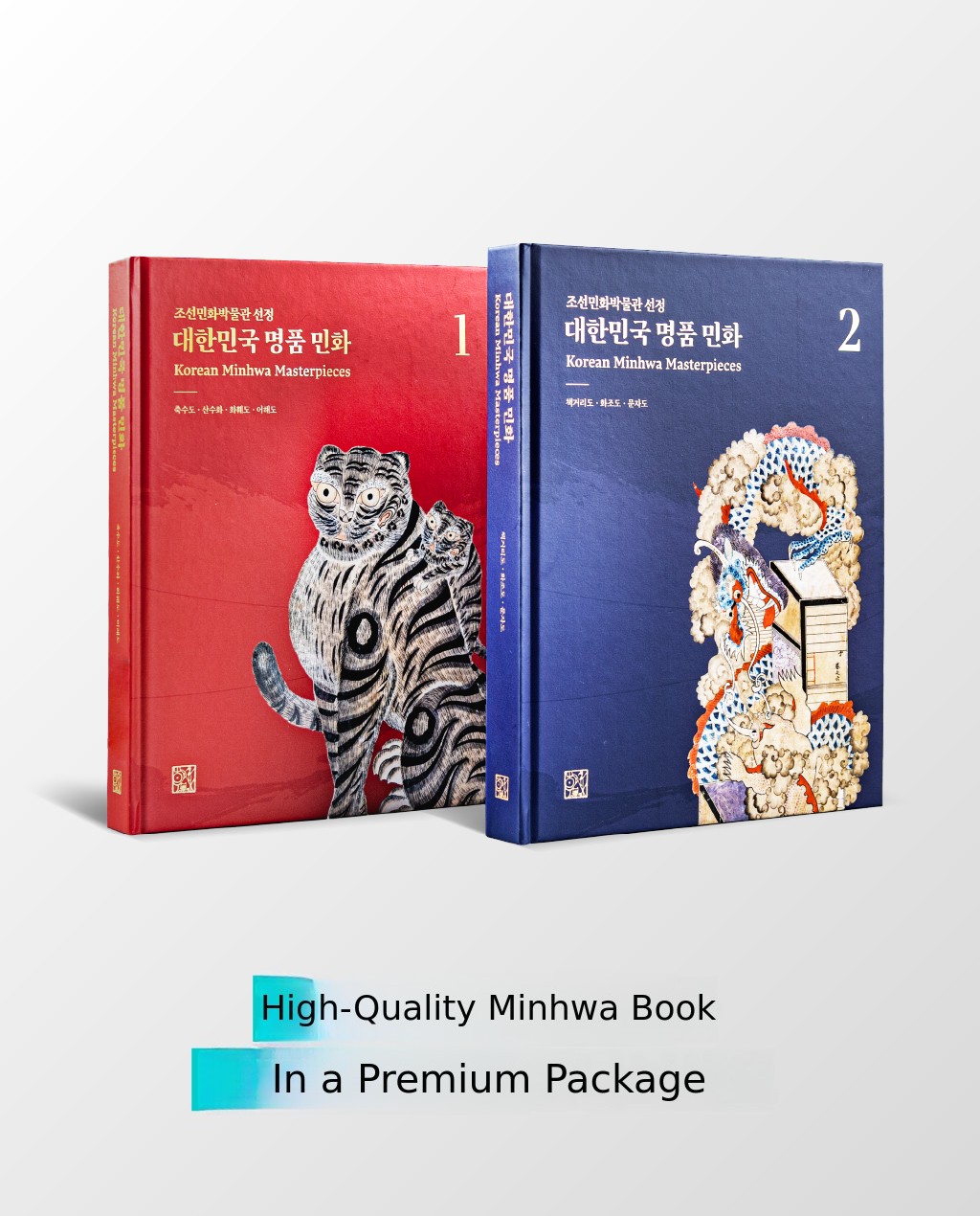
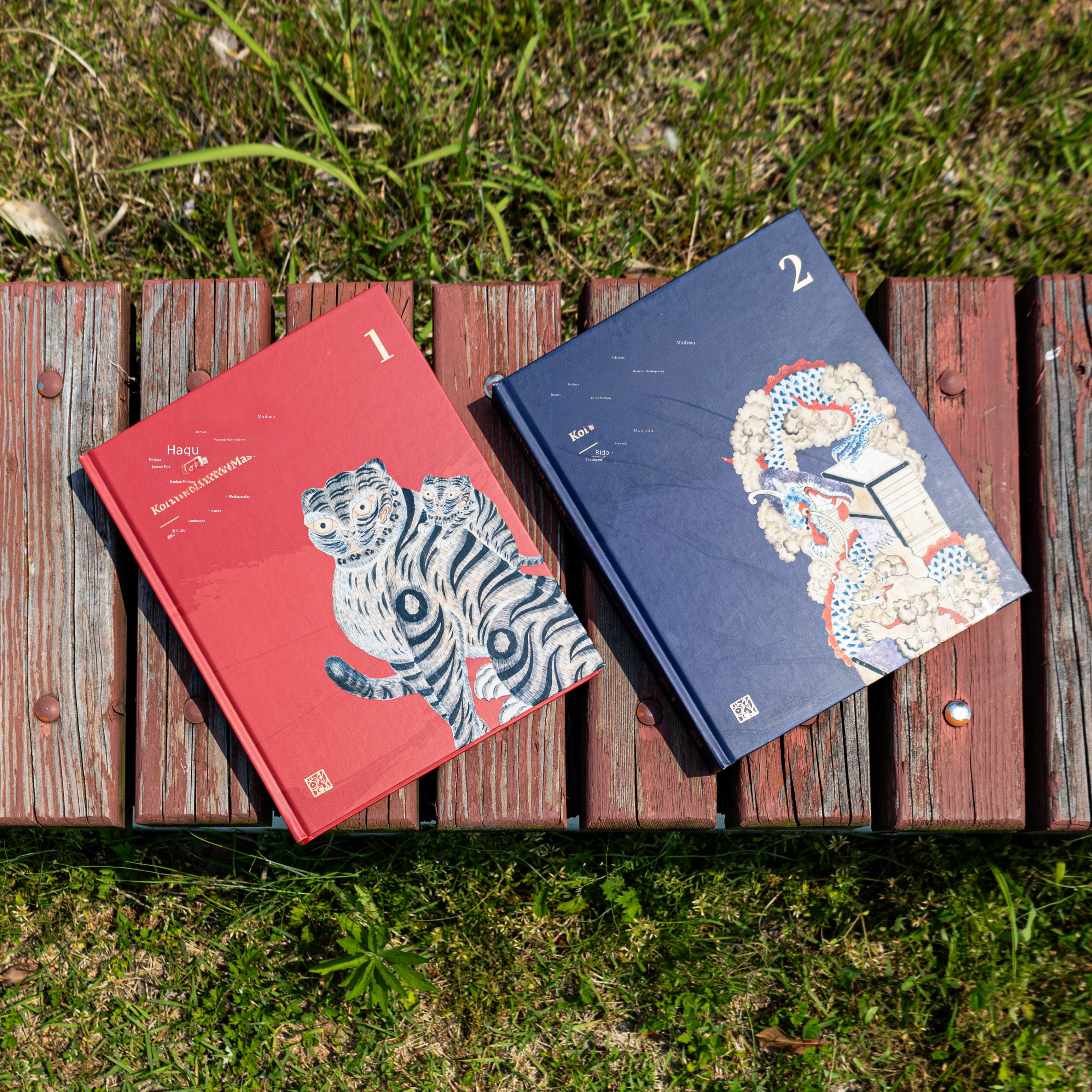
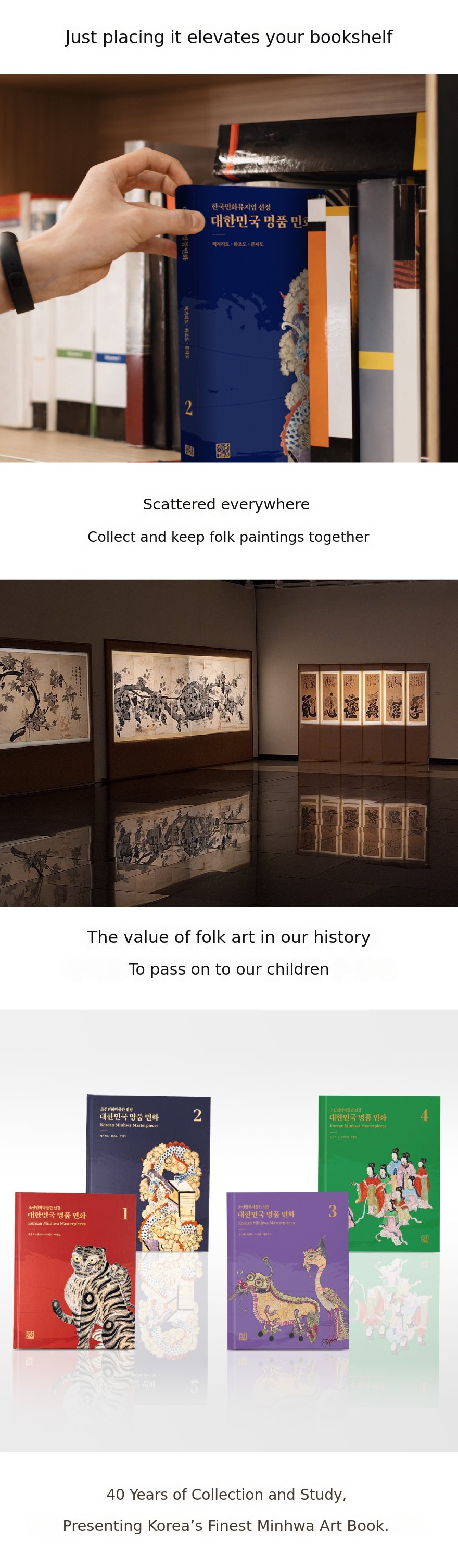
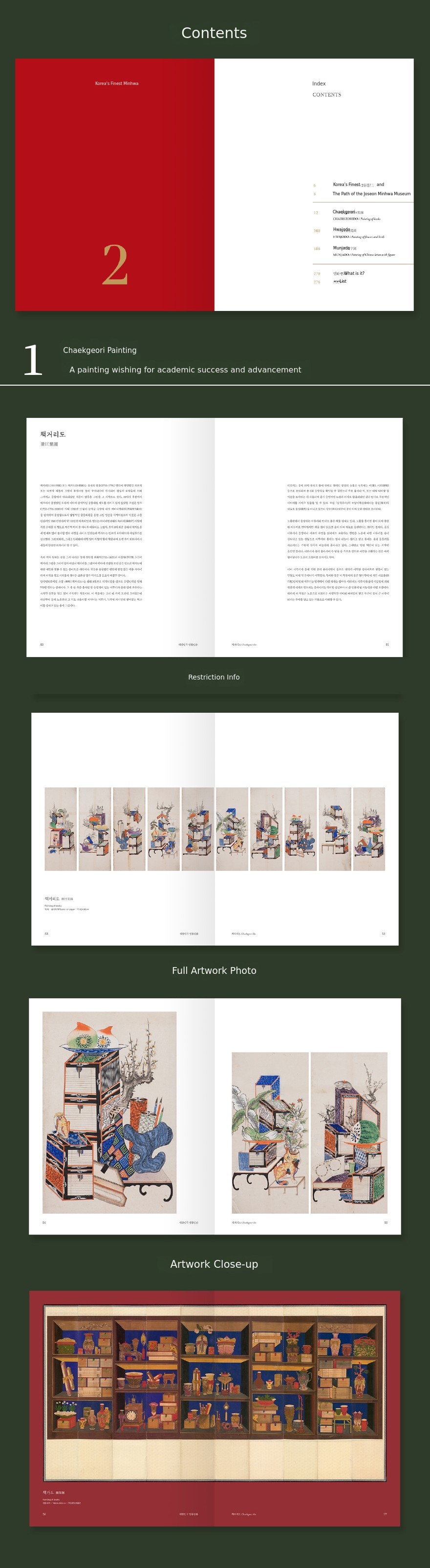
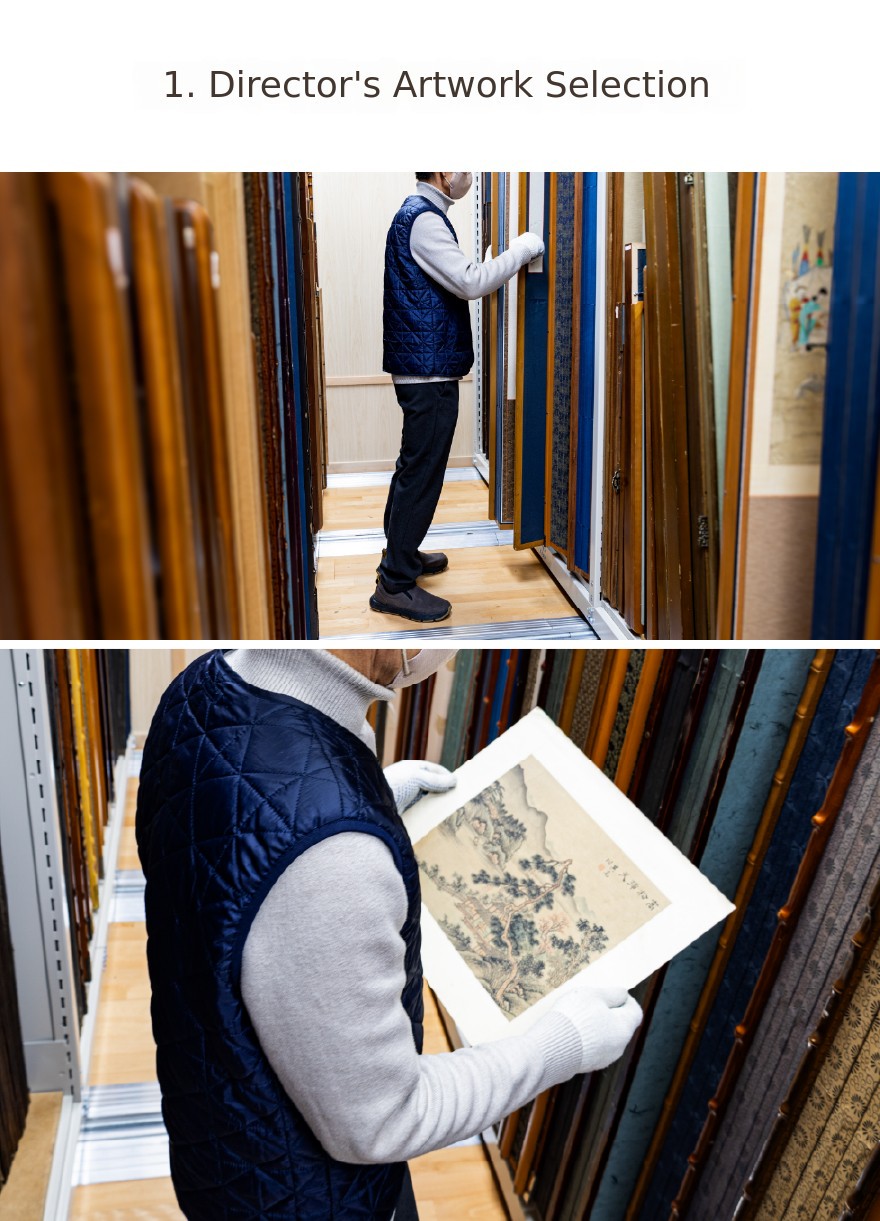
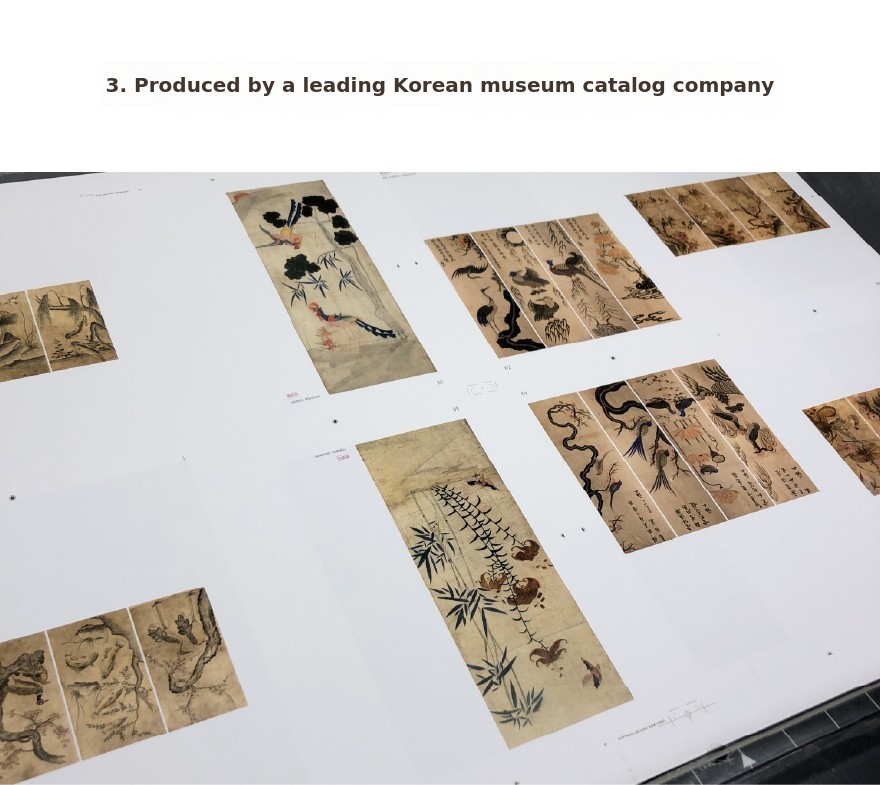
With a hardcover and matte coating, applied,
we produce it as a catalog that can be used for a long time.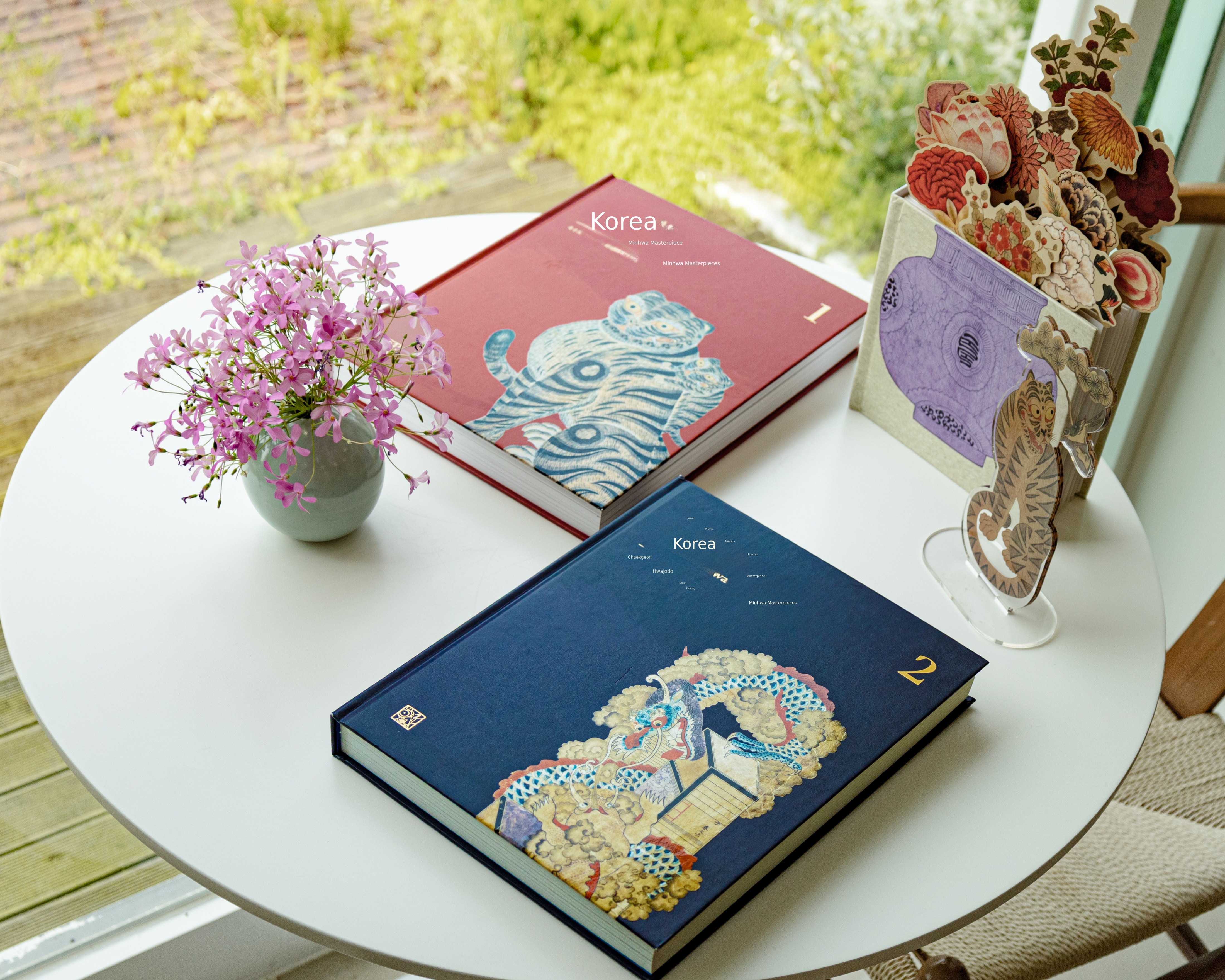
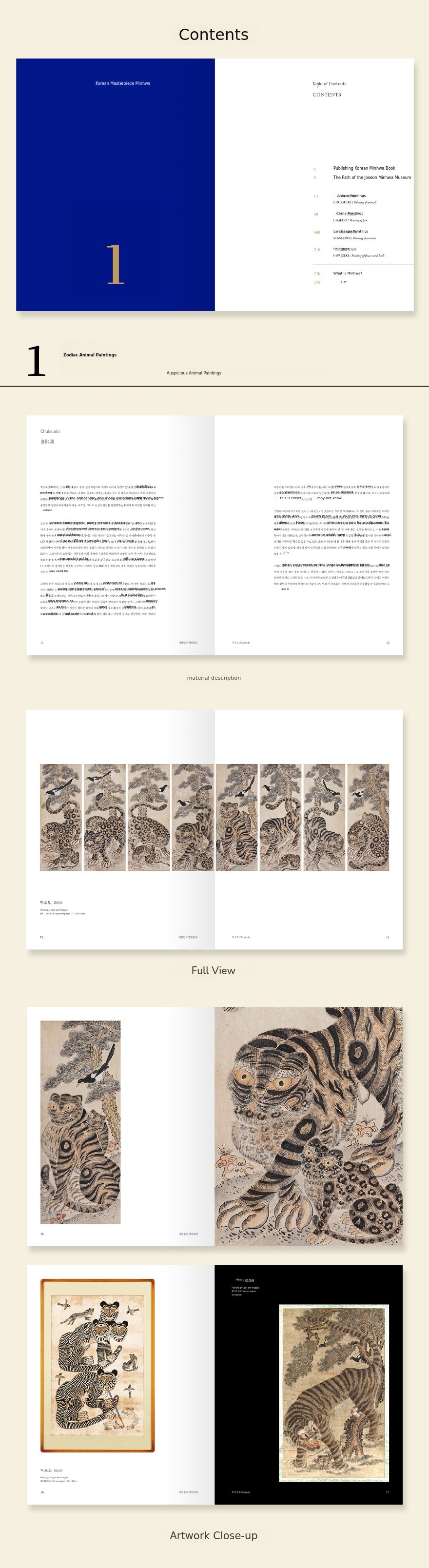
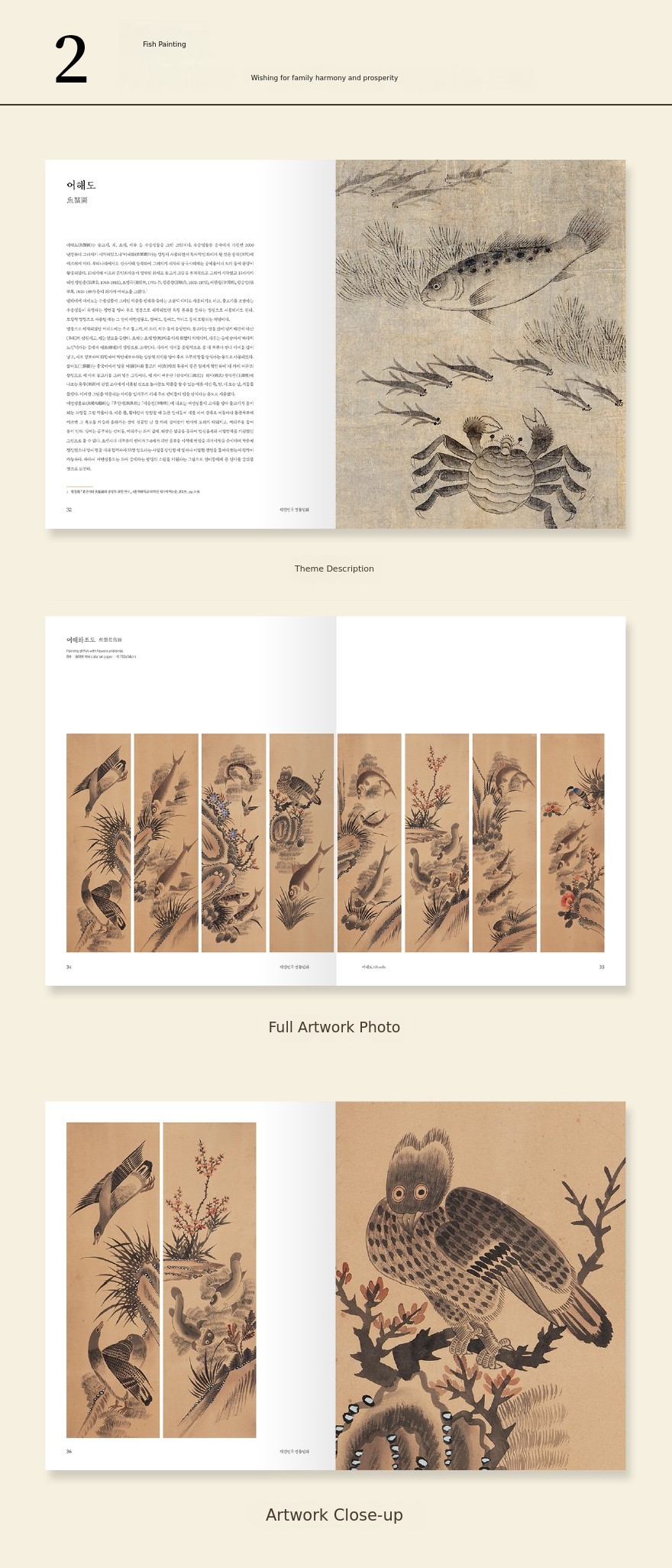
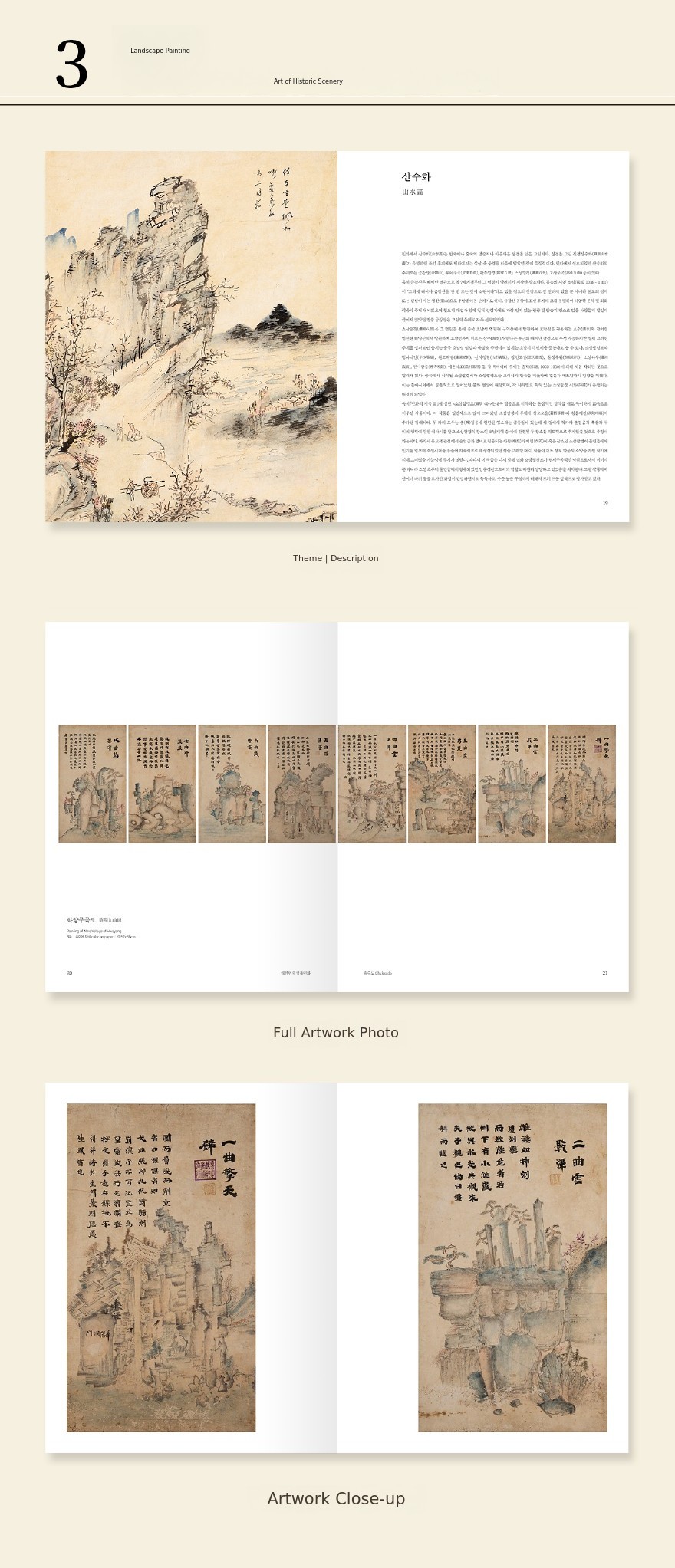
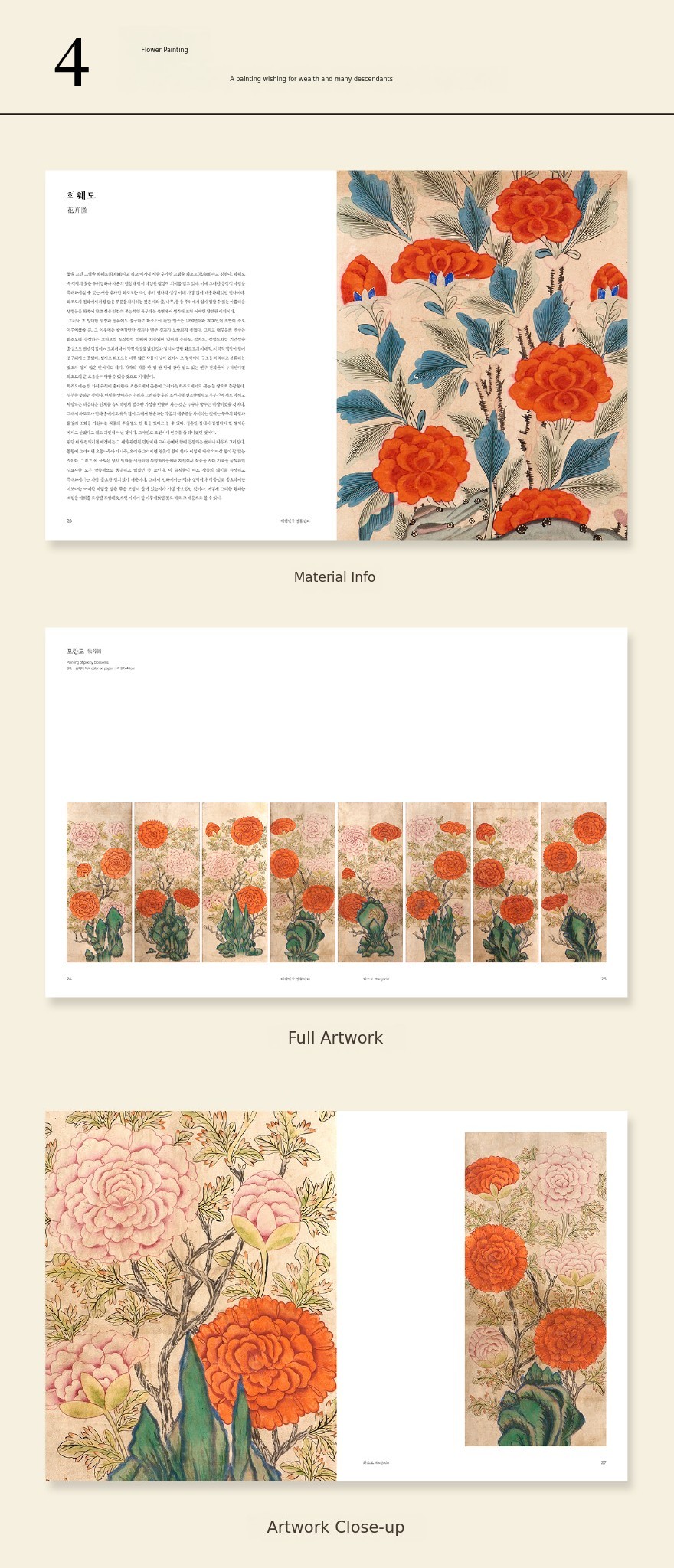



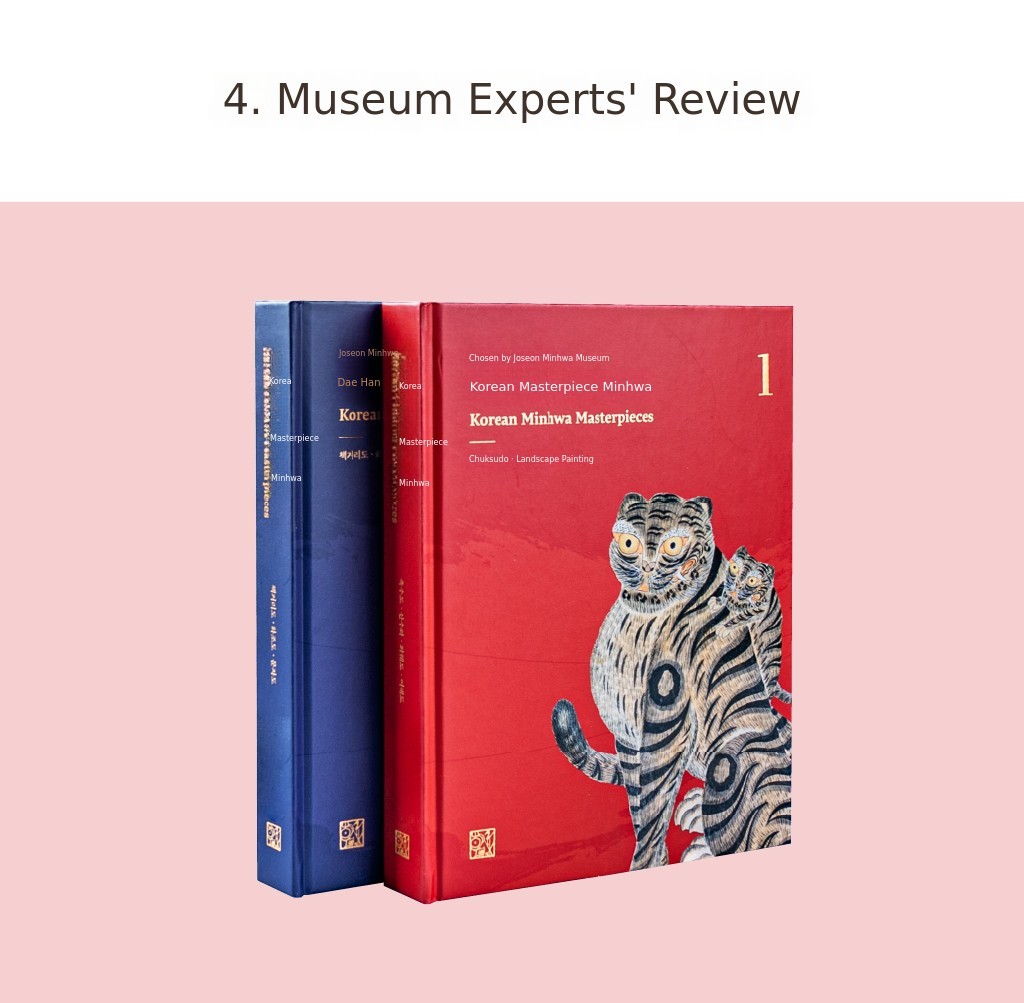




✨ The essence of Minhwa, newly returned,
on Wadiz, we greet you once again. ✨
Hello!
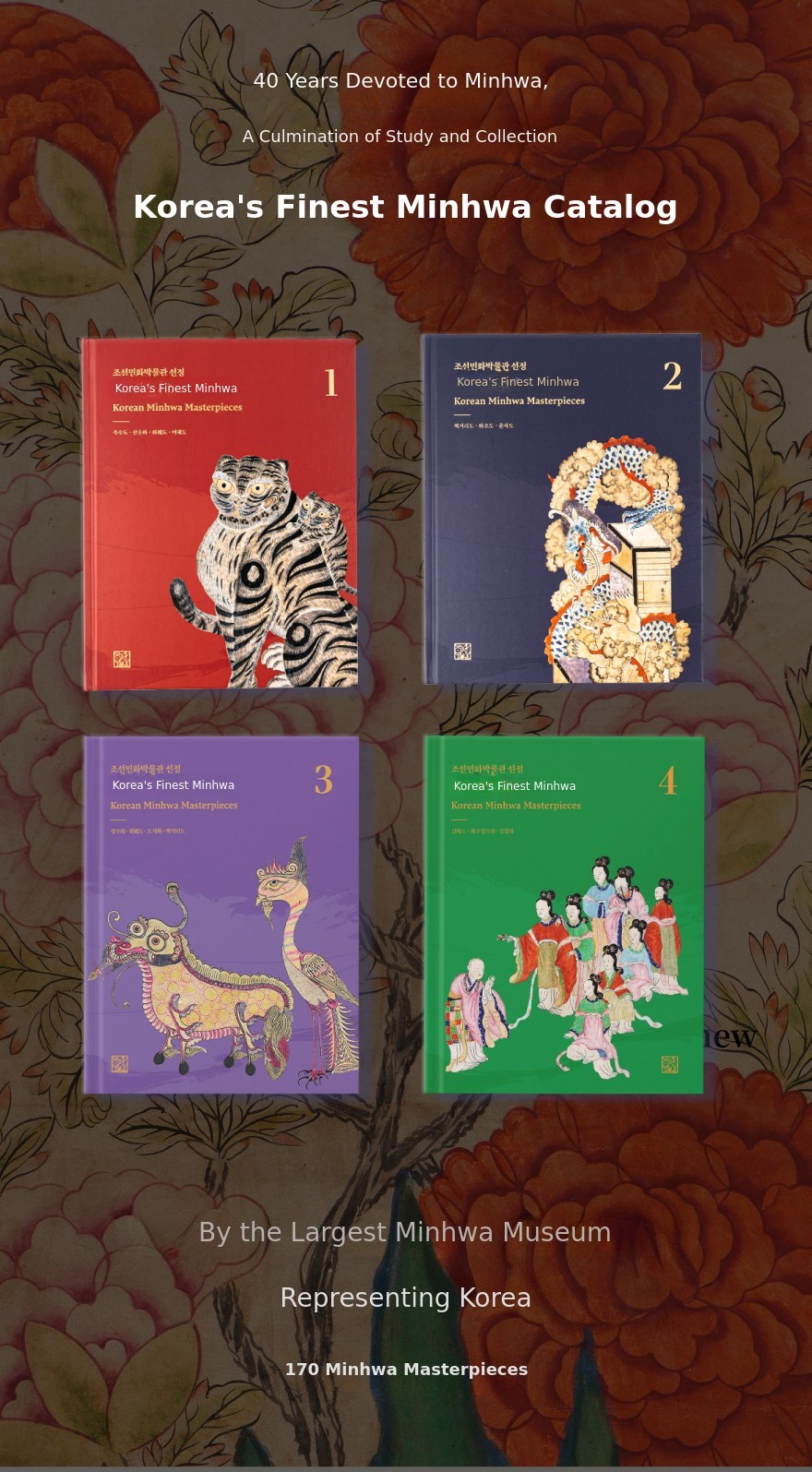
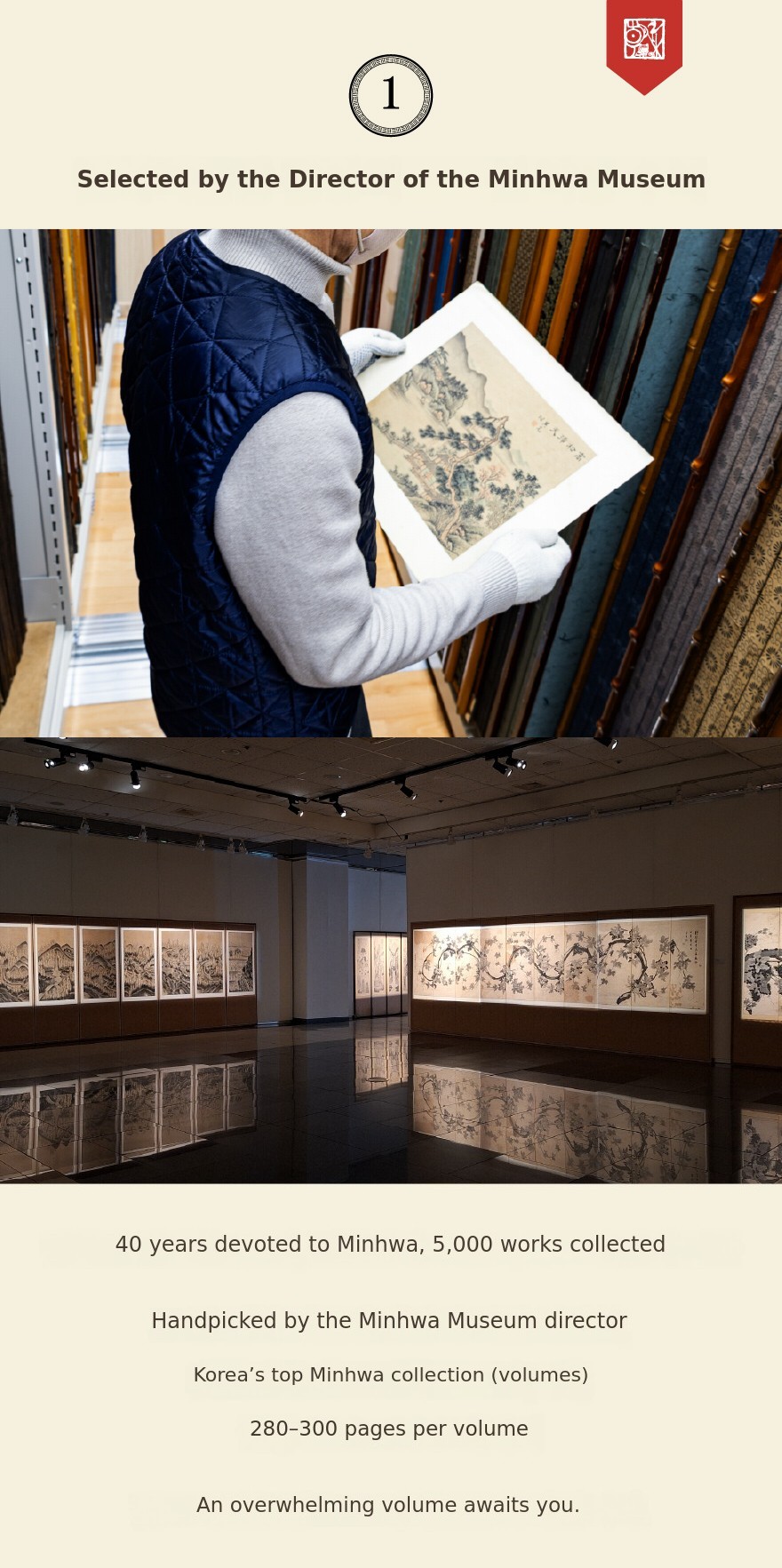
Forty years devoted to Minhwa, this is the Korea Minhwa Museum.
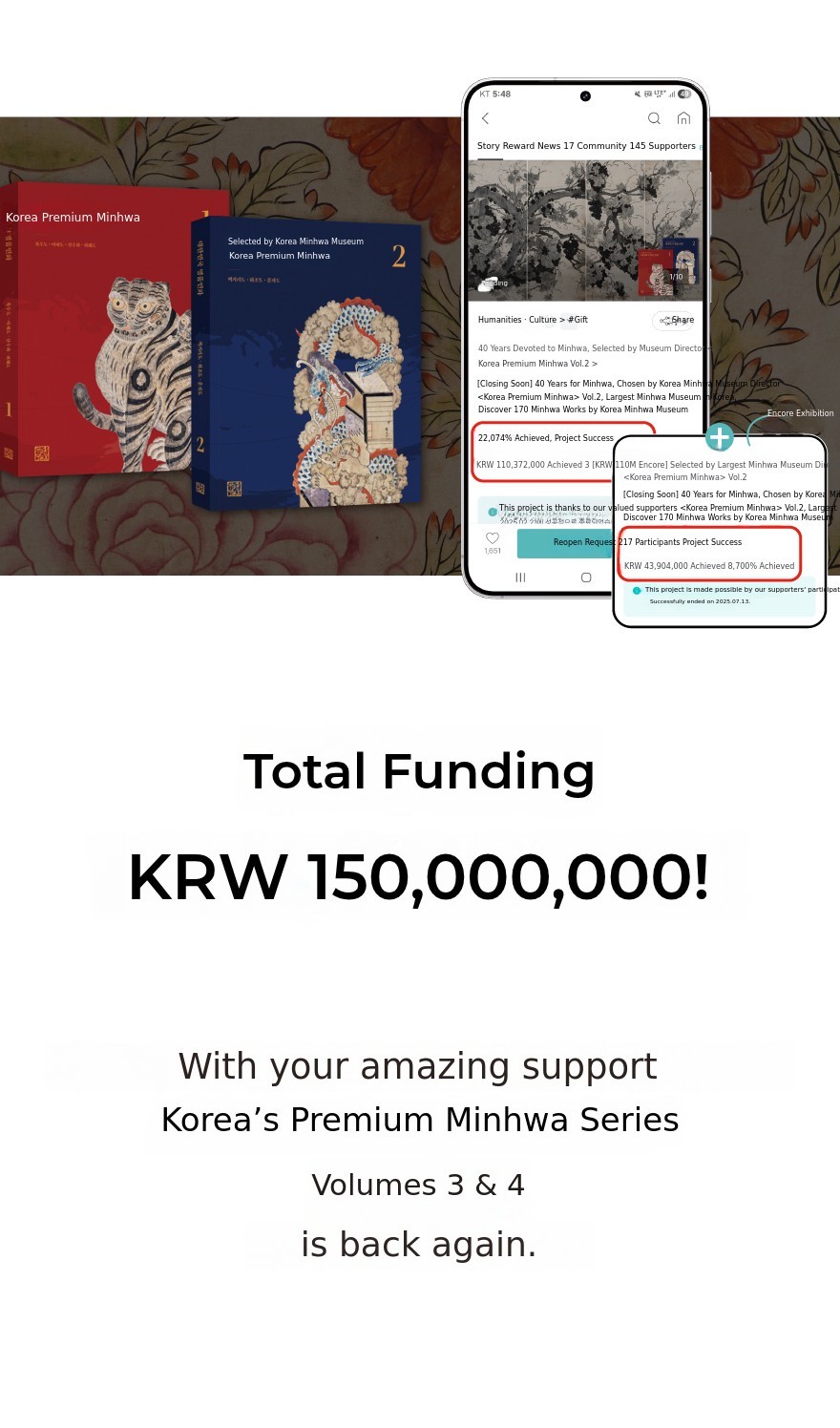
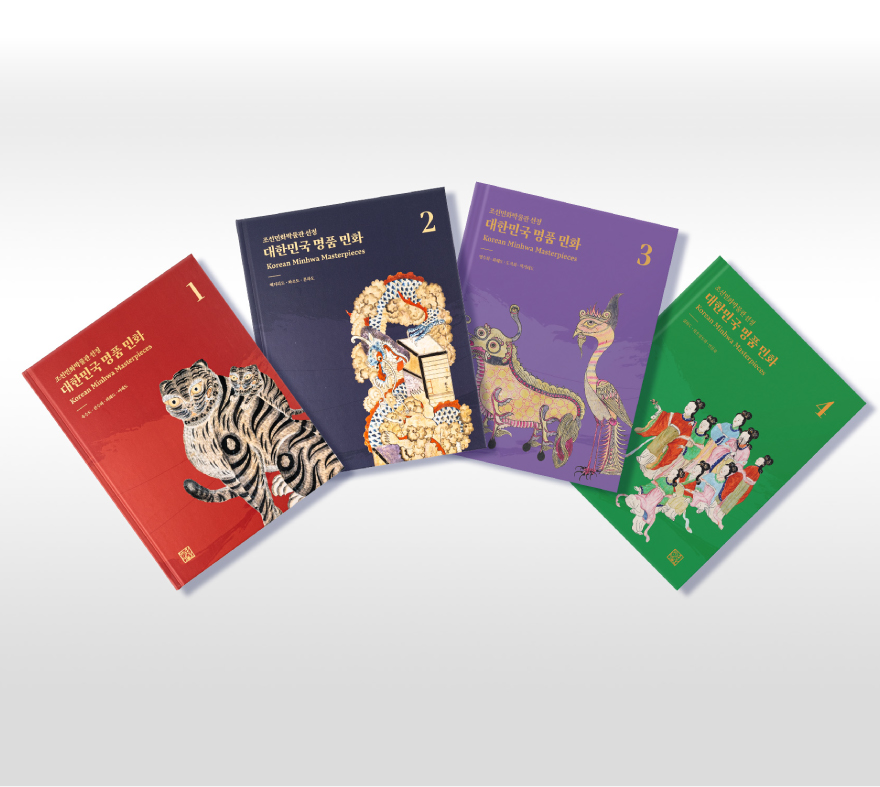
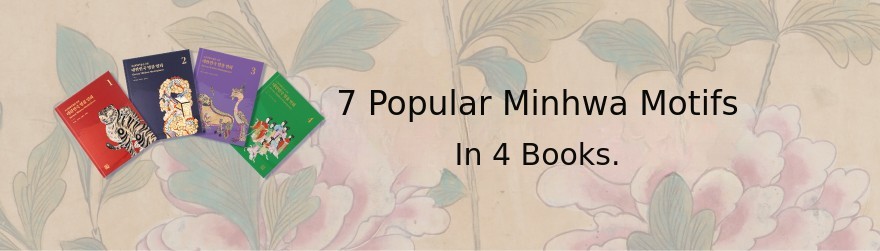
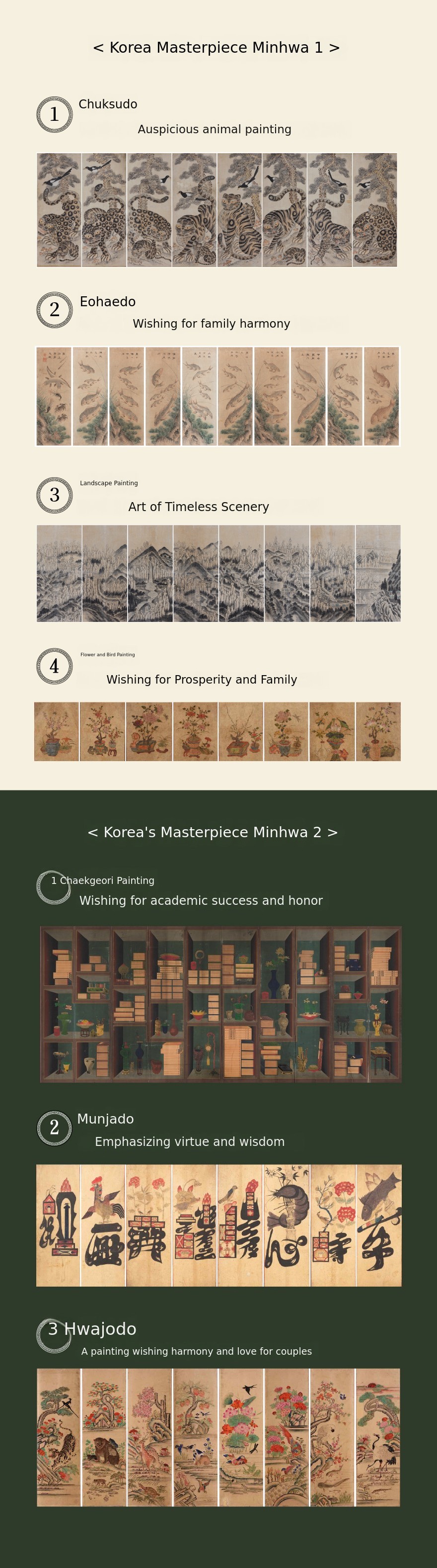
Last year,when we presented <Korea's Masterpiece Minhwa Volumes 1 and 2>, at that time,
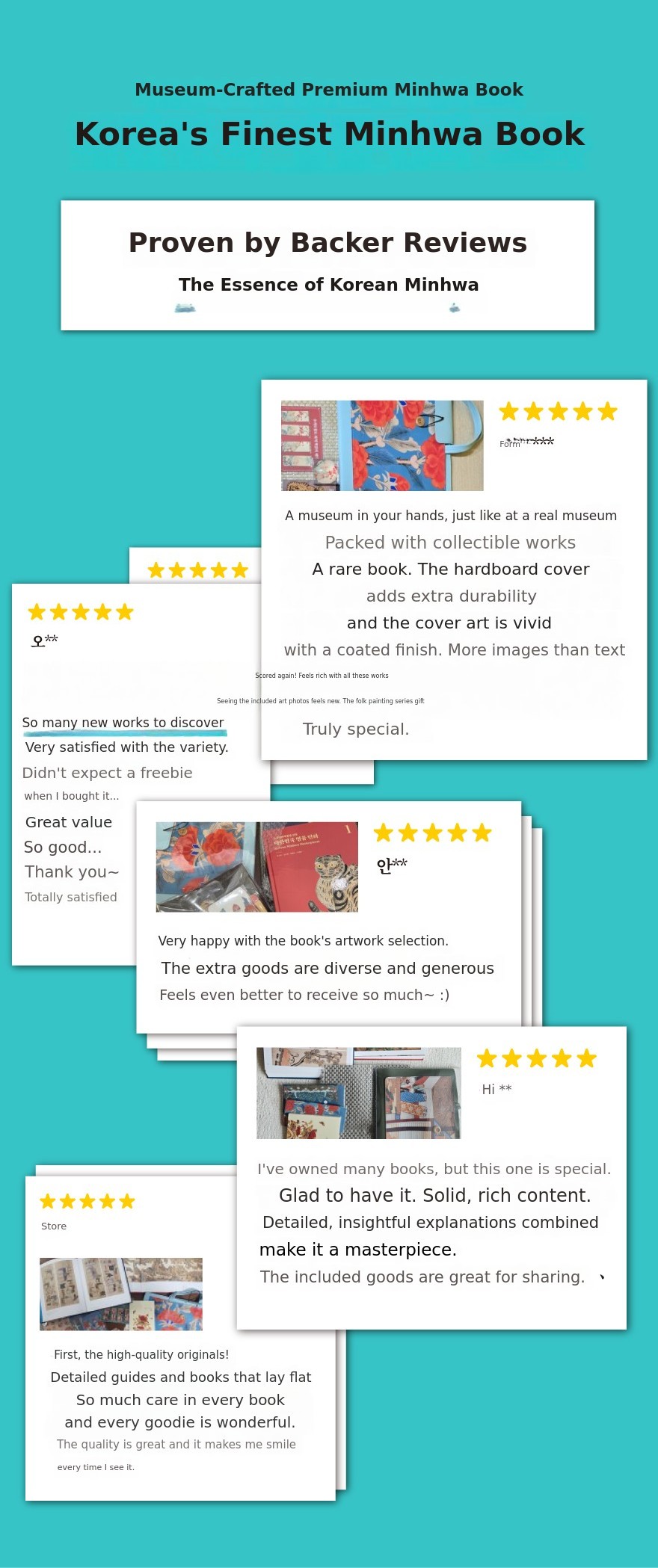
many of those who participated in the funding received our books
You have left a great review.
Now, after a year has passed,
We have filled it with even newer topics and works,
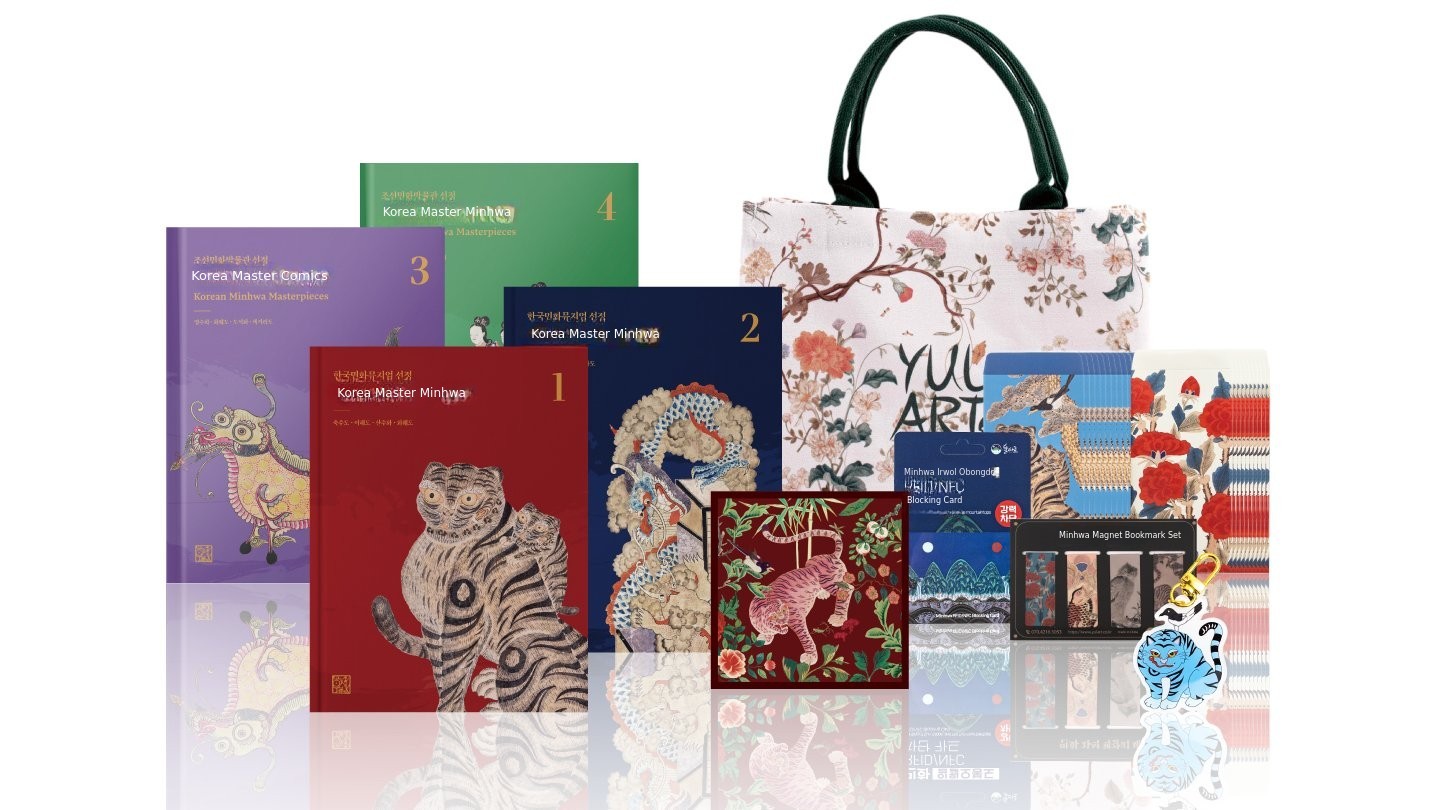
〈Korea's Masterpiece Minhwa Volumes 3 and 4〉 and we would like to present them to you.
As always, we have poured our hearts into creating this sequel,
and we hope it will bring you even greater satisfaction than you expected.
In the Year of Byeongo as well,the blessings and good fortune of our ancestors contained in Minhwa
may be with you always.