 Bodasuda
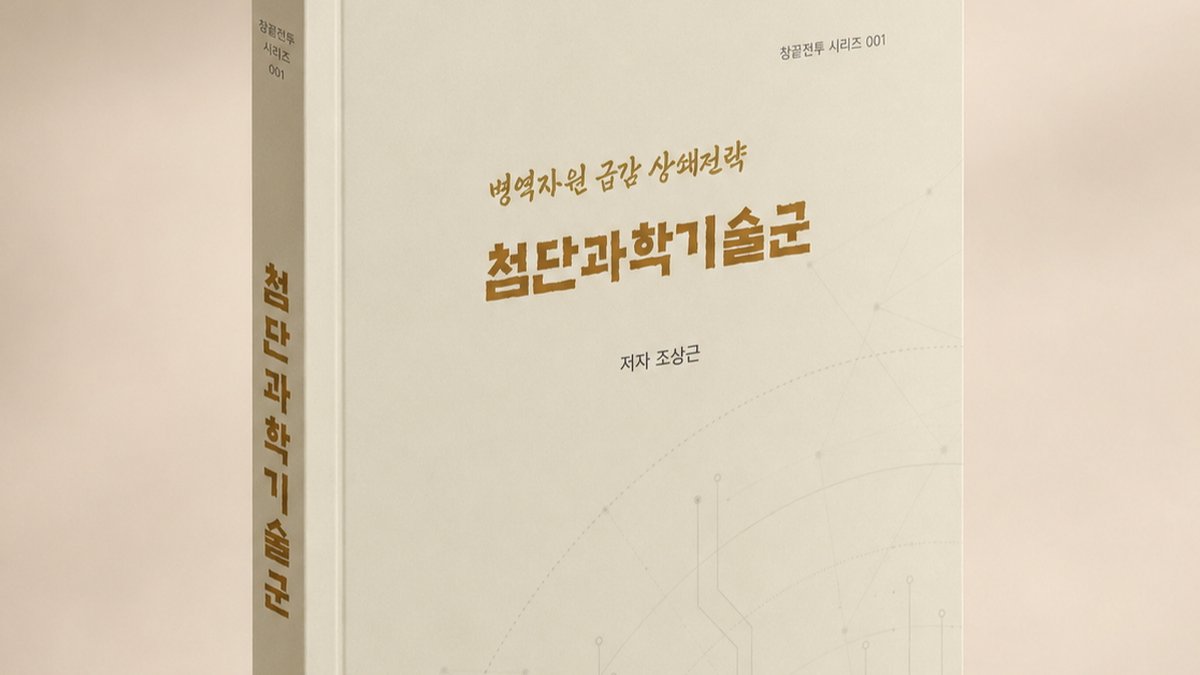
While the number of troops is decreasing, the battlefield is becoming more complex.
South Korea is facing the reality of a sharp decline in military manpower resources.
Although the population eligible for enlistment is decreasing, the areas and missions the military must protect are not.
On the contrary, future battlefields are becoming broader, faster, and more complex.
Drones, artificial intelligence, unmanned systems, and manned-unmanned combined combat systems have already become core elements of modern warfare.
The book "Offset Strategy for Declining Military Manpower: Advanced Science and Technology Forces" begins with this very question.
In the era of declining military manpower resources,
With what will the military maintain its combat power?

What kind of book is this?
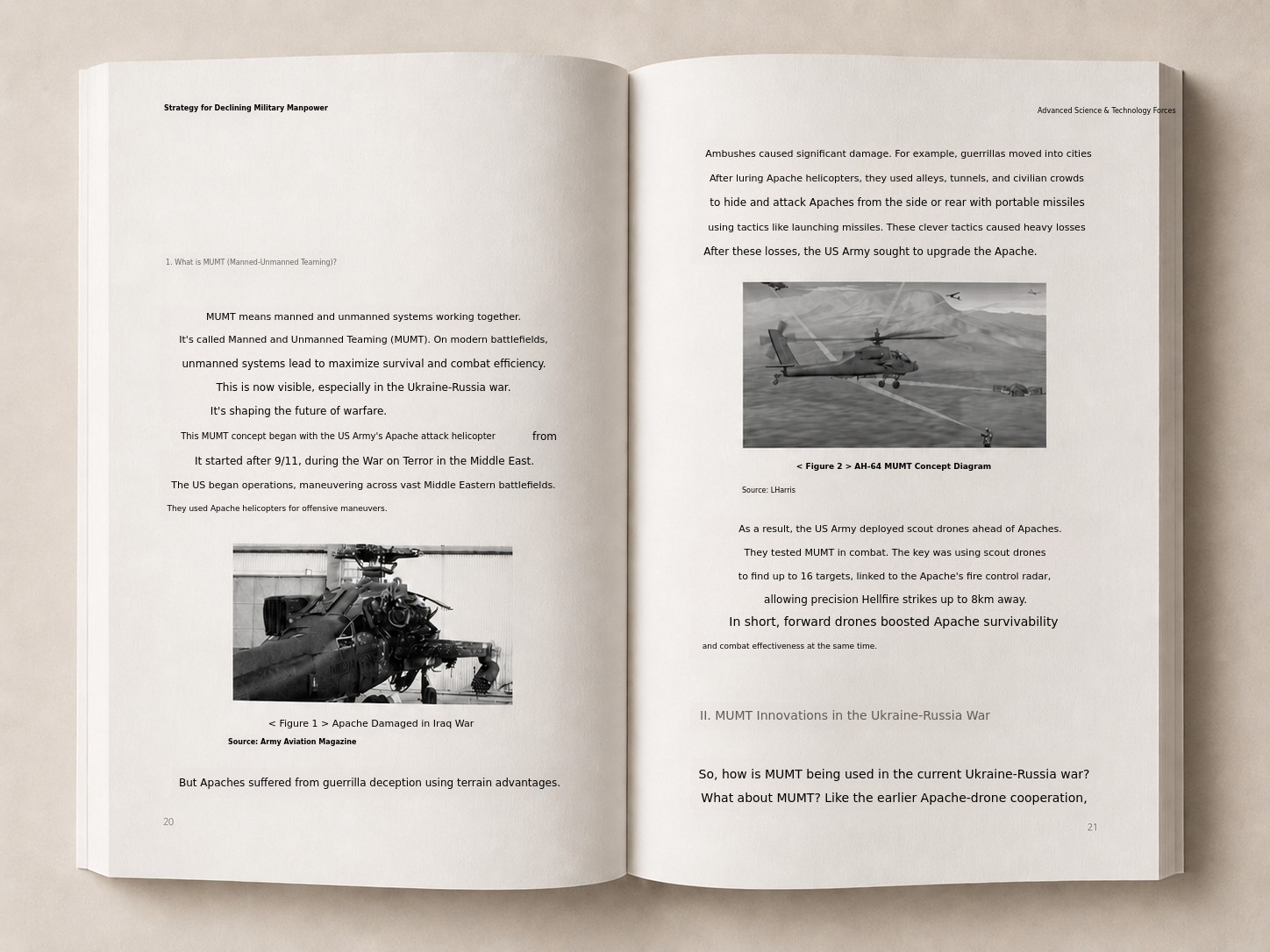
"Offset Strategy for Declining Military Manpower: Advanced Science and Technology Forces" is a defense and security strategy book that addresses the future of the Korean military in an era of declining manpower resources.
This book does not stop at simply reducing troops or introducing more equipment.
Instead, it approaches the issue as a structural transformation that must consider technology, organization, the conscription system, reserve forces, and defense science and technology talent together.
The book is structured around the following three pillars.
Innovation of existing forces
Expansion of the military manpower spectrum
Policy decisions
Based on these three pillars, the book presents 10 IDEAS for transforming the Korean military into an advanced science and technology force.
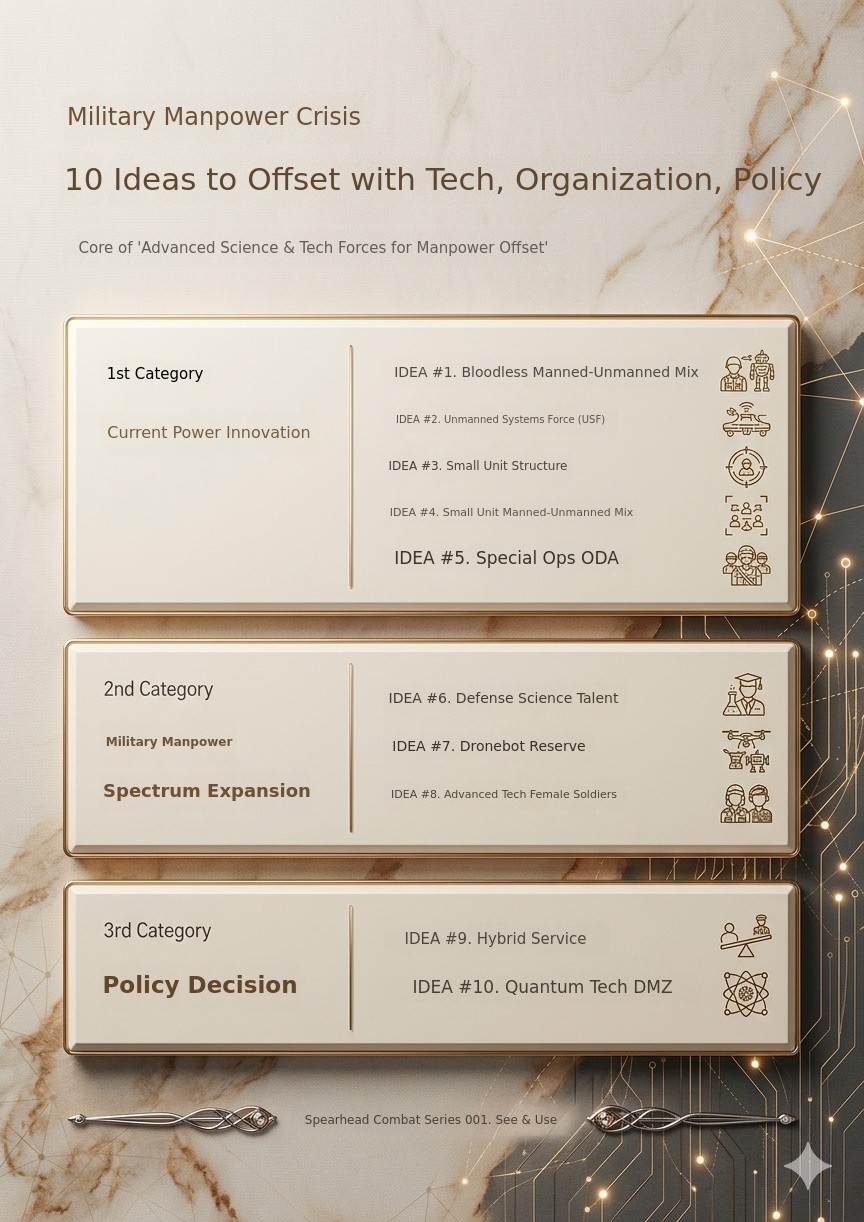
Three categories, 10 IDEAS
This book covers the following topics.
Innovation of existing forces
Manned-unmanned teaming, unmanned systems group, small unit structure, small unit manned-unmanned teaming, special operations unit ODA.
Expansion of the military manpower spectrum.
National defense science and technology talent, drone-bot reserve forces, advanced science and technology female soldiers.
Policy decision.
Hybrid military service, quantum technology-based DMZ modernization.
These 10 IDEAS are a starting point for realistic discussions to offset the military manpower crisis from the perspectives of technology, organization, and policy.

Recommended for these people.
Readers interested in defense policy and security issues.
Military personnel considering the future of the armed forces and the transition to advanced science and technology forces.
Readers who want to view the decline in military manpower and the population cliff from a security perspective.
Readers interested in drones, AI, unmanned systems, and manned-unmanned integrated combat systems.
Researchers and students in military studies, security studies, defense policy, and the defense industry.
Those looking for a book to read together in unit reading discussions or research groups.
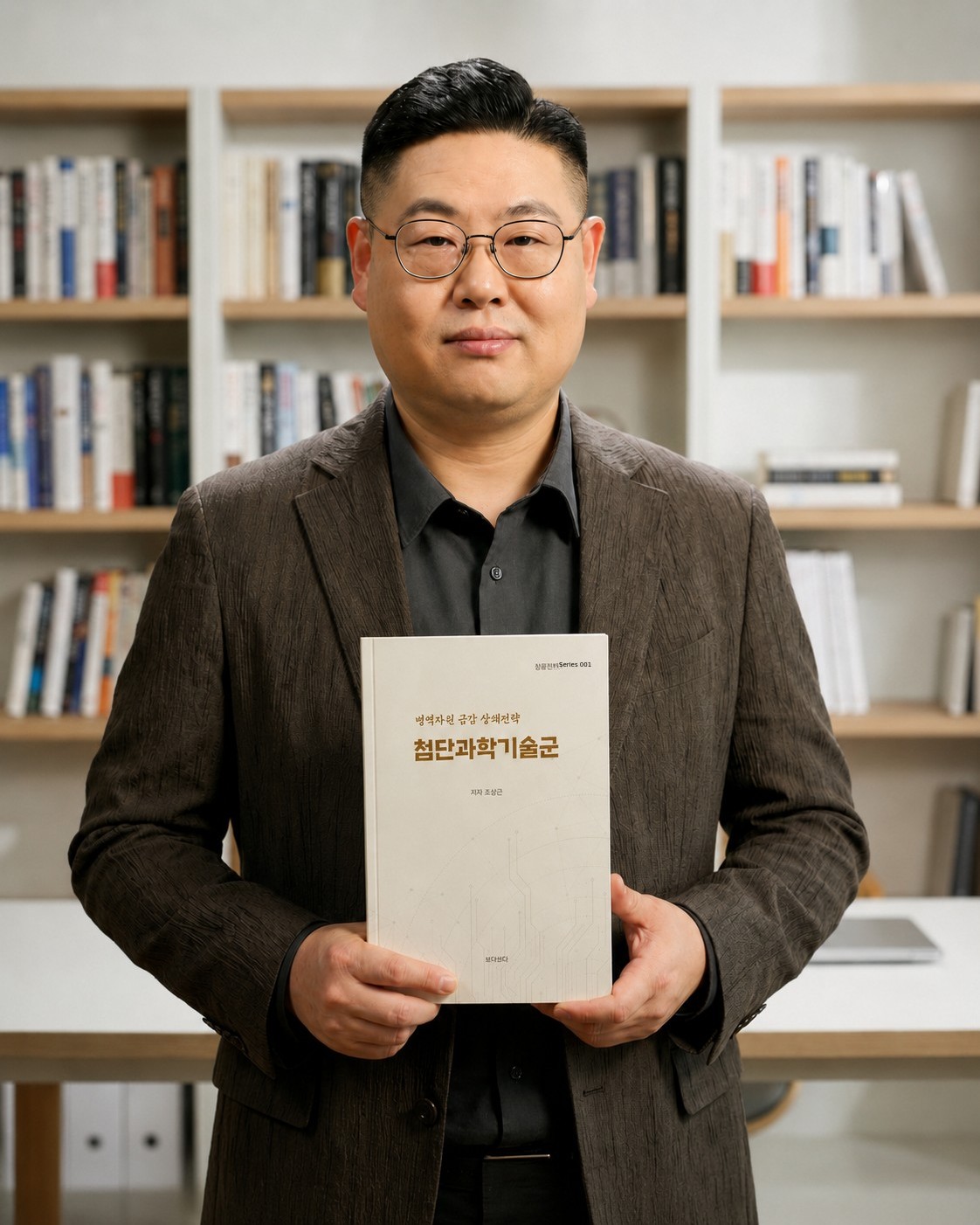
Introducing the author.
Sanggeun Cho.
He received his master's and doctoral degrees in political science from the Graduate School of Korean Studies at the Academy of Korean Studies. He is currently serving as an associate research professor at the KAIST National Future Strategy Policy Research Institute, where he studies national strategic technology strategies and policies.
As the inaugural president of the Changkkeut Combat Association, he leads research and discussions on the transition to advanced science and technology forces, weapons system innovation, changes in combat execution methods, and innovation in military organizational structure.
Co-authors.
Ilsu Bae, Kyungil Kang, Kangil Seo, Euicheol Shin, Inchan Kim, Hyesun Choi, Semi Kim, Sejin Jang, Changin Lee.
Why introduce it on Wadiz first?
This book is not just for reading; its value grows when discussed together.
Topics such as the sharp decline in military manpower, unmanned systems, manned-unmanned teaming, dronebot reservists, and hybrid military service are issues that both the military and society need to discuss together.
Therefore, before the official publication, we would like to meet readers first through the Wadiz pre-launch.
If you sign up for notifications during the pre-launch period, you will be the first to receive updates when the project goes live.
We kindly ask you to sign up for notifications.
"Offset Strategies for the Sharp Decline in Military Manpower: Advanced Science and Technology Forces" is scheduled to be published on June 25, 2026.
When the main Wadiz project is launched, we will provide information on pre-orders for the book, signed copies by the author, and online author commentary lectures.
If you think this book is necessary, please join us by signing up for notifications.
It would be a great help if you could also share this with military personnel, researchers, veterans, and readers interested in defense and security around you.
Meet it before publication.
We are preparing pre-orders for "Advanced Science and Technology Forces."
Sign up for notifications and read about the future of the Korean military together.